Detroit’s economic identity is undergoing a profound transformation as the city moves beyond its traditional manufacturing roots to become a competitive hub for high-growth technology ventures. Recent data suggests that the surge in Detroit startups is not merely a post-pandemic rebound but a structural shift in how the region attracts capital and retains talent.
A Maturing Tech Ecosystem
For decades, the narrative surrounding Detroit focused on industrial recovery. However, the current landscape is increasingly defined by a sophisticated network of incubators, venture capital firms, and research institutions. According to the Michigan Economic Development Corporation (MEDC), Detroit has consistently ranked as one of the top emerging startup ecosystems in the United States, particularly in sectors such as mobility, fintech, and healthcare technology.
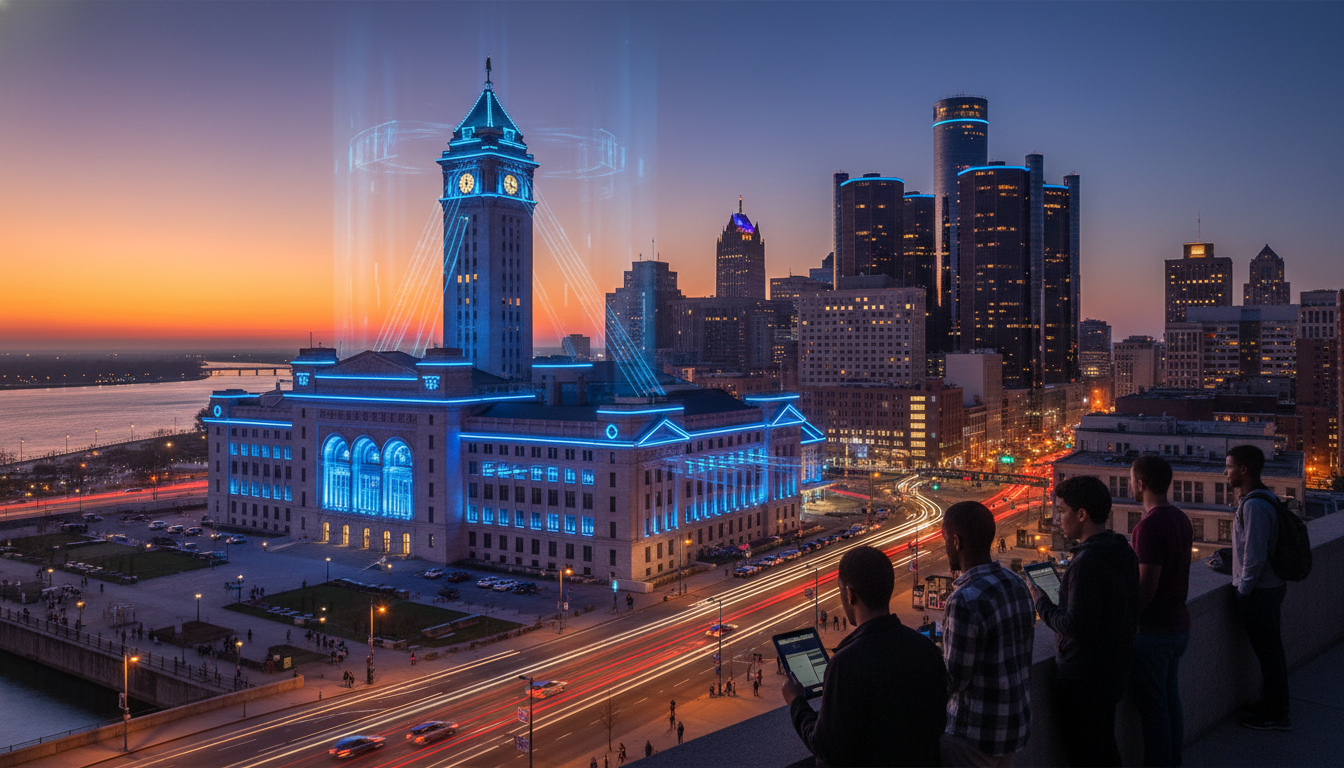
Central to this growth is the Michigan Central innovation district in Corktown. The transformation of the historic train station into a hub for mobility-focused entrepreneurs has provided a physical anchor for the city’s tech ambitions. Newlab at Michigan Central, which houses dozens of early-stage companies, has become a primary driver for attracting international attention to the local business growth Detroit is experiencing.
Venture Capital Trends and Business Growth
Financial metrics support the observation that Detroit is becoming a preferred destination for investors. Data from the 2023 Detroit Entrepreneurial Ecosystem Report by EntryPoint, a Midwest-focused research organization, highlights that the number of tech startups in the city has seen a steady increase over the last five years. The report indicates that institutional investors are increasingly looking toward the Midwest for value, often finding higher growth potential in Detroit startups compared to overcrowded markets on the coasts.
The rise of local venture firms has also played a critical role. Organizations like Rocket Fiber alumni and Ludlow Ventures have reinvested into the city, creating a self-sustaining cycle of capital. Statistics from the Michigan Venture Capital Association show that venture investment in Michigan-based companies reached record levels in recent years, with a significant portion of that funding flowing directly into companies headquartered within Detroit city limits.
Impact on Detroit Residents
The expansion of the startup ecosystem is having a tangible impact on the local workforce and neighborhood development. For residents, the most direct benefit is the creation of high-wage jobs that do not require a traditional automotive background. According to city officials, the growth of tech startups Detroit has fostered is contributing to a more diversified tax base, which in turn supports municipal services and infrastructure projects.
Furthermore, many of these startups are prioritizing local hiring initiatives. Programs designed to bridge the digital divide, such as those supported by the City of Detroit’s Office of Digital Equity, are working to ensure that long-term residents have the skills necessary to participate in the emerging tech economy. This focus on inclusive growth is essential for preventing the displacement often associated with rapid economic shifts in urban centers. As local economic development continues to evolve, the integration of community-focused hiring remains a top priority for city planners.
Challenges and Barriers to Entry
Despite the positive trajectory, entrepreneurs Detroit face unique hurdles. Access to early-stage seed funding remains a challenge for founders who do not have established networks. While late-stage venture capital is more available, the “friends and family” round of funding is often inaccessible for minority and first-time founders in the city. To address this, organizations like the Detroit Venture Partners and Invest Detroit have launched specific funds aimed at supporting underrepresented entrepreneurs.
Infrastructure also remains a point of discussion. While the downtown and Midtown areas have seen significant fiber-optic upgrades and real estate investment, other neighborhoods still require more robust support to foster decentralized business growth Detroit needs to remain equitable. Reliable public transportation and affordable commercial real estate are frequently cited by local business owners as necessary components for scaling their operations outside of the immediate city center.
What Happens Next for Detroit’s Innovation Economy
Looking toward 2025, the outlook for Detroit’s startup ecosystem remains cautiously optimistic. The city is expected to see a continued influx of “boomerang” talent—professionals who left for Silicon Valley or New York but are returning to Detroit for its lower cost of living and high quality of life. This influx of experienced leadership is critical for helping young startups navigate the complexities of scaling up.
Additional information from the Michigan Economic Development Corporation suggests that new state-level incentives will soon be available to help startups offset the costs of research and development. This legislative support, combined with a strong local community of mentors and accelerators, positions Detroit as a formidable player in the national tech conversation. As detailed in our previous coverage of Detroit’s commercial real estate trends, the demand for flexible office space continues to rise, signaling that the startup boom is here to stay.
The Role of Academic Partnerships
Educational institutions like Wayne State University and the University of Michigan’s upcoming Center for Innovation are also vital cogs in the startup machine. By providing a pipeline of skilled graduates and fostering spin-off companies from university research, these institutions ensure that the Detroit startups of tomorrow have a steady supply of innovation and talent. This synergy between academia and industry is often cited as the “secret sauce” of successful tech hubs globally, and Detroit is finally seeing these pieces fall into place.