Detroit is undergoing a significant structural shift in its economic landscape, transitioning from its historical roots as a traditional manufacturing powerhouse into an emerging hub for global technology and innovation. The revitalization of the Detroit tech scene is no longer a peripheral narrative; it has become a central pillar of the city’s redevelopment strategy, fueled by massive infrastructure investments and a surge in venture capital activity.
The Rise of Michigan Central and Newlab
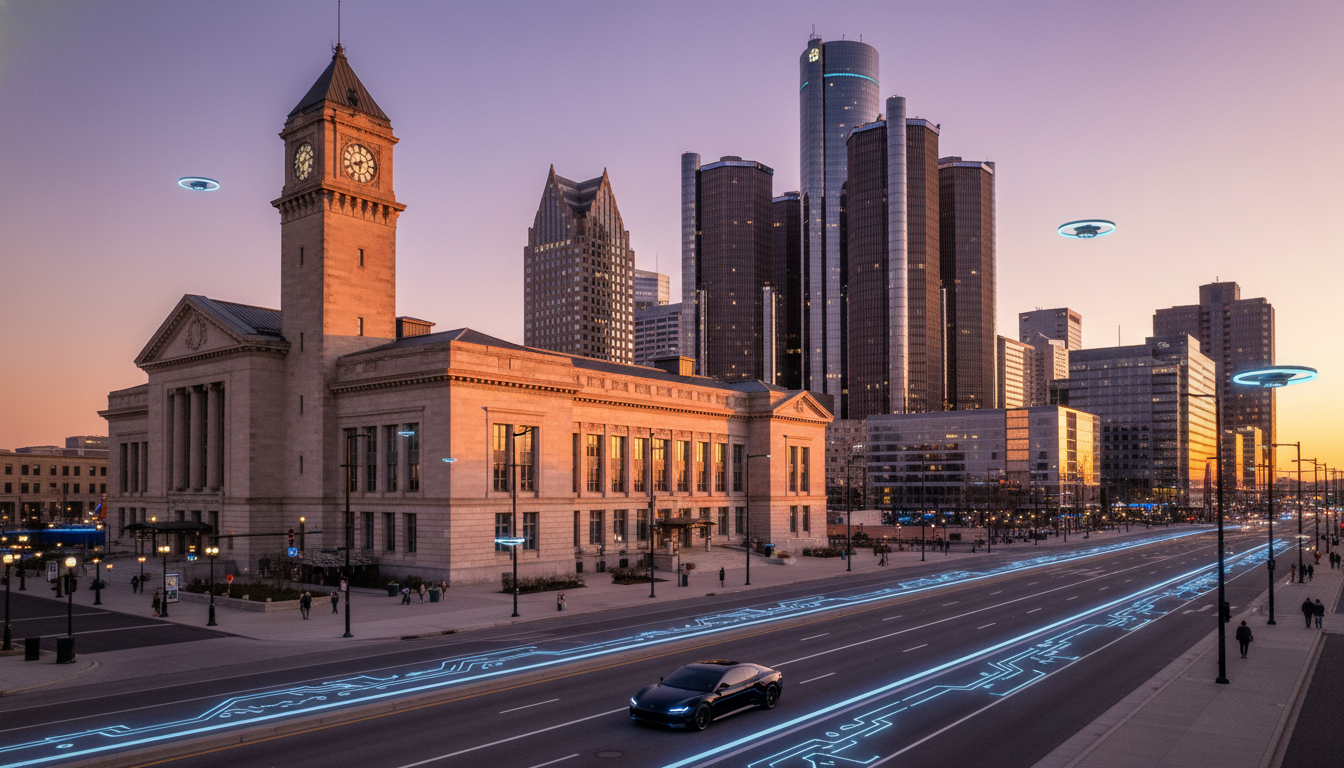
At the heart of this transformation is the Michigan Central innovation district in Corktown. The multi-year, billion-dollar restoration of the Michigan Central Station by Ford Motor Company has acted as a catalyst for the region. Since its official opening earlier this year, the district has become a focal point for mobility-tech startups. According to officials from Michigan Central, the district now hosts over 100 startups through its partnership with Newlab, a venture platform that provides resources for companies solving complex hardware challenges.
The presence of these companies has created a specialized ecosystem centered on “New Mobility.” This includes autonomous vehicle software, electric vehicle (EV) charging infrastructure, and smart city logistics. Data from the Michigan Economic Development Corporation (MEDC) suggests that these investments are positioning Detroit as a global competitor in the race for automotive electrification. You can find more about the state’s broader economic initiatives at the official MEDC website.
Venture Capital and Startup Growth
While the automotive sector remains a dominant force, the Detroit tech scene is diversifying into fintech, cybersecurity, and insurance technology. Industry analysts have noted a marked increase in venture capital flowing into Southeast Michigan. A recent report by the Michigan Venture Capital Association indicated that Detroit-based startups are increasingly capturing larger funding rounds, moving away from the “seed-only” phase that characterized the city’s tech environment a decade ago.
Local leaders point to the success of homegrown companies like StockX and Rocket Companies as proof that billion-dollar tech enterprises can scale effectively within the city limits. This success has encouraged a new generation of entrepreneurs to stay in Detroit rather than relocating to traditional tech hubs like Silicon Valley or New York City. For more insights on the city’s financial evolution, see our previous coverage on Detroit economic trends.
Impact on Detroit Residents and Workforce
The growth of technology in Detroit has direct implications for the local workforce. For long-time residents, the primary concern has often been whether the “new economy” includes them. To address this, various public-private partnerships have been established to bridge the digital divide and provide training for high-paying tech jobs. Programs such as Michigan Works! and local coding bootcamps have seen increased enrollment as residents seek to transition from traditional labor roles into tech-adjacent positions.
According to the U.S. Bureau of Labor Statistics, the demand for software developers and data analysts in the Detroit-Warren-Dearborn metropolitan area has outpaced many other professional sectors over the last three years. This shift offers a path toward higher median wages, though community advocates emphasize the need for continued investment in K-12 STEM education to ensure the next generation of Detroiters is prepared for these roles. Local business development remains a key part of this ecosystem, as detailed in our local business spotlight series.
Infrastructure and Smart City Initiatives
Technology in Detroit is also manifesting in the city’s physical infrastructure. The City of Detroit’s Department of Public Works has been collaborating with tech firms to implement “smart” traffic management systems designed to reduce congestion and improve pedestrian safety. Furthermore, the deployment of the nation’s first wireless EV-charging road in the Corktown area serves as a living laboratory for innovation Detroit residents can see in real-time.
These infrastructure projects do more than just showcase new gadgets; they improve the quality of life by making transportation more efficient and reducing the carbon footprint of the city’s transit systems. City officials have stated that these projects are essential for attracting corporate partners who prioritize sustainability and advanced infrastructure when choosing where to locate their offices.
Challenges and Future Outlook
Despite the upward trajectory, challenges remain for the Detroit tech scene. Competition for talent is fierce, and the city must continue to improve its overall urban amenities to retain the highly mobile tech workforce. Additionally, ensuring that tech-driven neighborhood revitalization does not lead to the displacement of long-term residents remains a top priority for city planners and the Detroit City Council.
Looking forward, the outlook for innovation in Detroit remains optimistic. With the continued expansion of the University of Michigan Center for Innovation in downtown Detroit and the ongoing success of the Michigan Central district, the city is well-positioned to remain a leader in the tech sector. Analysts expect that the synergy between Detroit’s manufacturing heritage and its new software capabilities will create a unique “industrial tech” identity that is difficult for other cities to replicate.
What This Means for the Future
As we move into the next decade, the integration of technology into the fabric of Detroit will likely accelerate. The transition from a manufacturing-based economy to one rooted in innovation is a complex process, but the current momentum suggests that Detroit is successfully navigating this evolution. For residents, business owners, and investors, the message is clear: the Detroit tech scene is no longer a future prospect—it is a present reality driving the city’s comeback.