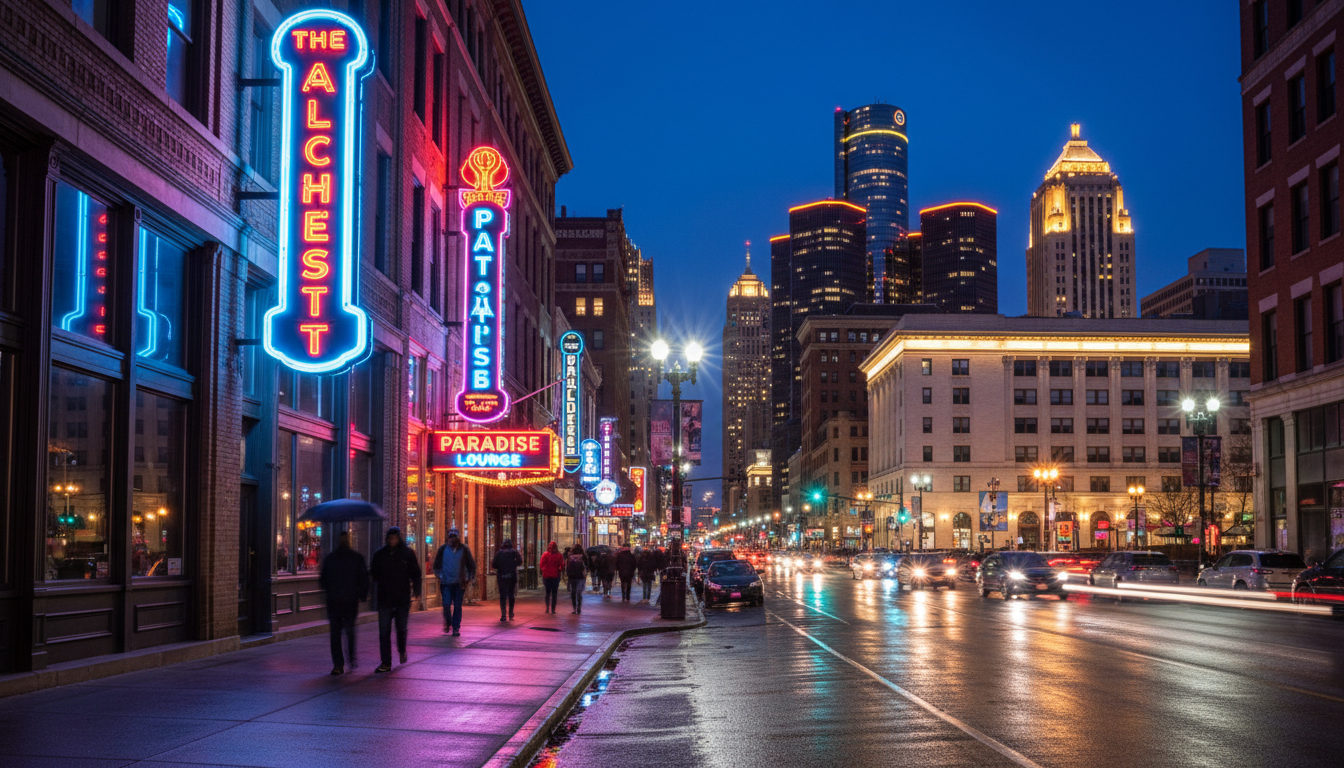
The skyline of the central business district is no longer the only thing reaching new heights in the Motor City. Following a period of stabilization, downtown Detroit nightlife is entering a robust phase of expansion, characterized by a surge in high-end cocktail lounges, immersive social clubs, and diversified entertainment venues. This growth comes as developers and city officials look to solidify the urban core as a 24-hour destination for both residents and regional visitors.
A Surge in Hospitality Development
The recent influx of new establishments is not accidental. According to the Detroit Economic Growth Corporation (DEGC), strategic investments in the city’s hospitality sector have paved the way for small business owners to secure footprints in prime real estate corridors. From the historic Broadway Street to the bustling Woodward Avenue, the footprint of entertainment is widening. Recently, several new venues have opened their doors, moving beyond the traditional sports bar model to offer sophisticated experiences that reflect the city’s evolving demographic.
Real estate firm Bedrock has been instrumental in this shift, curating a mix of tenants that prioritize “experiential retail.” This approach integrates dining, drinking, and activity-based entertainment into single locations. For example, the emergence of multi-level jazz clubs and tech-forward gaming bars suggests a market that is maturing. Local business owners indicate that the demand for diverse options is at an all-time high, especially as more professionals return to downtown offices and luxury residential units continue to reach capacity.
Economic Impact on Detroit Residents
For the average Detroiter, the expansion of downtown nightlife represents more than just a place to grab a drink. The hospitality industry is a major driver of local employment. Data from the Michigan Bureau of Labor Market Information and Strategic Initiatives suggests that the leisure and hospitality sector in the Detroit-Warren-Dearborn area has seen consistent year-over-year growth, providing thousands of jobs ranging from entry-level service positions to high-level management and event coordination.
Furthermore, the increased foot traffic contributes to the city’s general fund through sales and income taxes. This revenue is critical for funding essential services like public safety and infrastructure repairs in Detroit neighborhoods beyond the downtown core. However, the expansion also brings challenges. Residents living in high-density downtown apartments have raised concerns regarding noise levels and late-night congestion, prompting the City Council to review existing noise ordinances and zoning permits to strike a balance between a vibrant economy and residential quality of life.
The Role of Regulatory Support and Data
The growth of the downtown Detroit nightlife scene is also supported by the Michigan Liquor Control Commission (MLCC). Recent reports indicate a steady increase in the issuance of Class C licenses within the 48226 zip code, a clear sign of investor confidence. Additionally, the City of Detroit’s Office of Nighttime Economy—a relatively new initiative—has been working to streamline the permitting process for new venues while ensuring that safety protocols are strictly followed.
According to a report by the Downtown Detroit Partnership (DDP), pedestrian counts in the central business district have rebounded to nearly 90% of pre-2020 levels during weekend evening hours. This data supports the narrative that the downtown area is reclaiming its status as the premier entertainment hub of Southeast Michigan. The DDP emphasizes that the sustainability of this growth depends on continued investment in real estate development and public transportation, ensuring that the nightlife scene remains accessible to a broad audience.
Entertainment Diversity and Safety Measures
The current trend in Detroit nightlife is moving toward specialized venues. While large-scale nightclubs remain a staple, there is a growing niche for speakeasies and rooftop bars that offer panoramic views of the city. These venues often double as event spaces for corporate gatherings and private celebrations, adding a layer of versatility to the downtown economy. Local law enforcement has also adapted to this growth. The Detroit Police Department (DPD) has increased its presence in high-traffic areas during peak hours, utilizing a combination of foot patrols and secondary security units to maintain a safe environment for patrons.
Business owners are also taking proactive steps. Many new establishments have joined the “Green Light” program, a public-private partnership that links high-definition security cameras directly to the DPD’s Real Time Crime Center. This integration has been cited as a key factor in reducing incidents and increasing the sense of security among visitors exploring the various clubs and bars that now dot the landscape.
What Happens Next
Looking ahead, the momentum shows no signs of slowing down. Several high-profile projects are slated for completion in the next 18 months, including the renovation of historic buildings into boutique hotels featuring multi-concept entertainment spaces. The upcoming NFL Draft in April 2024 is acting as a major catalyst for these developments, as the city prepares to host hundreds of thousands of visitors. For more information on city-wide initiatives and business resources, residents and entrepreneurs are encouraged to visit the official City of Detroit website.
As downtown continues to transform, the success of these new ventures will likely depend on their ability to remain authentic to Detroit’s culture while catering to an increasingly global audience. The synergy between private developers, local government, and the community will be the defining factor in whether this nightlife expansion becomes a permanent pillar of the city’s economic resurgence.