The retail landscape in Detroit has reached a pivotal turning point in 2026. After years of significant investment and strategic urban planning, the city has successfully transitioned from a market defined by retail leakage to the suburbs into a primary destination for both luxury shoppers and those seeking unique local goods. This shift is not merely a cosmetic change but a fundamental restructuring of how residents and visitors interact with the city’s commercial corridors.
The Rebirth of Downtown as a Retail Powerhouse
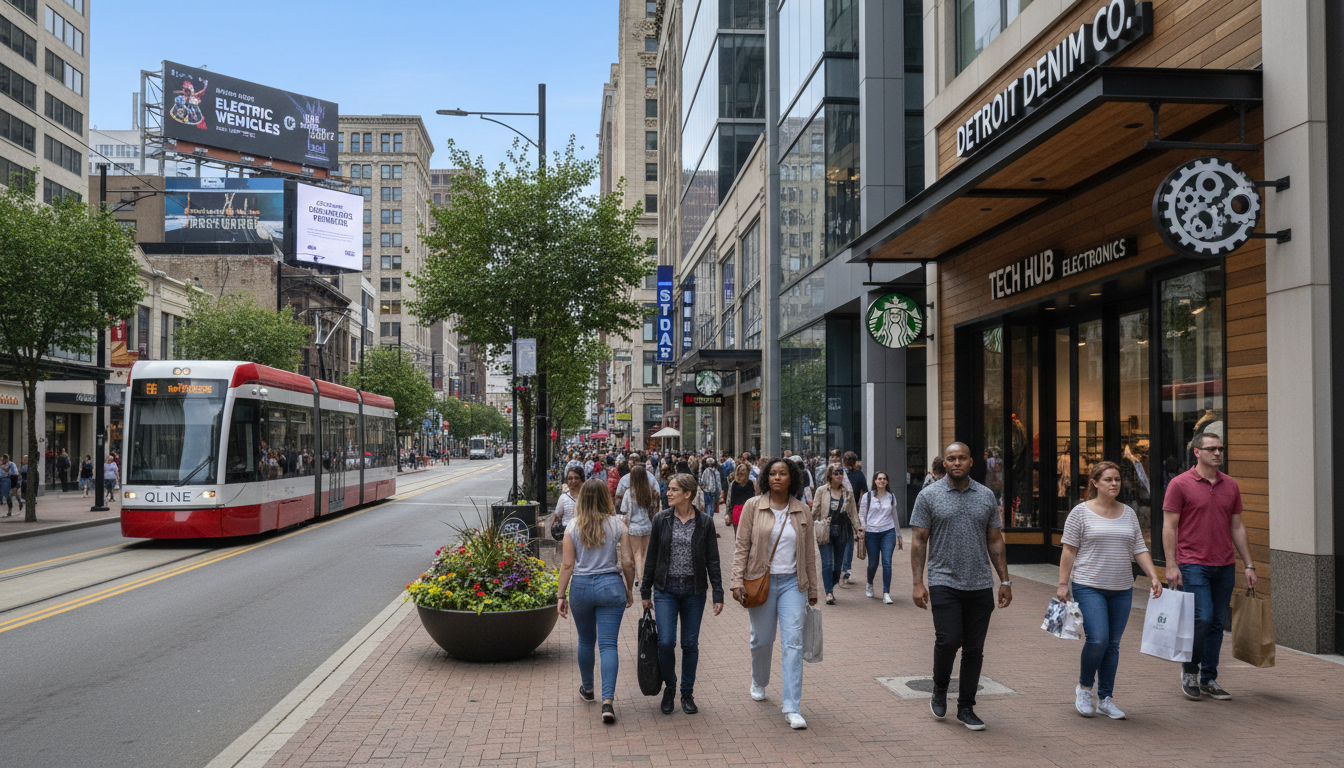
As of mid-2026, the heart of the city’s commercial revitalization remains centered on the Woodward Avenue corridor and the newly completed developments surrounding the historic Hudson’s site. According to reports from Bedrock Detroit, the city’s primary real estate developer, the density of national retailers has increased by nearly 40% since 2022. This expansion has successfully blended global brands with high-end boutiques, creating a shopping Detroit experience that rivals other major Midwestern hubs like Chicago or Indianapolis.
A significant factor in this growth has been the completion of mixed-use projects that prioritize ground-floor retail. These spaces have been designed to encourage walkability, a core tenant of the city’s updated master plan. For residents, this means that the central business district is no longer just a place for office work but a functional neighborhood where shopping for daily needs and luxury items is feasible within a few blocks.
Expanding Beyond the Core: Neighborhood Retail Corridors
While downtown captures the most headlines, the true evolution of retail Detroit is happening in the surrounding neighborhoods. The “Avenue of Fashion” on Livernois and the historic streets of Corktown have seen a resurgence in local shops Detroit residents rely on for specialized goods. The Detroit Economic Growth Corporation (DEGC) has played a crucial role in this through its continued support of programs like Motor City Match, which provides grants and technical assistance to small businesses.
In Corktown, the area surrounding the Michigan Central Station has become a magnet for boutique retailers focusing on sustainability and locally made products. Data from the Detroit Economic Growth Corporation suggests that neighborhood-level commercial occupancy rates have climbed to their highest levels in three decades. This localized growth ensures that the economic benefits of the city’s resurgence are distributed more equitably across the various zip codes.
Impact on Detroit Residents
The proliferation of new retail options has a direct impact on the quality of life for Detroiters. Historically, many residents were forced to travel to surrounding municipalities to find variety in clothing, household goods, and specialty items. The stabilization of the retail sector means that more sales tax revenue remains within the city limits, directly funding essential services like public safety and infrastructure repair.
Furthermore, the expansion of malls Detroit and smaller retail clusters has created thousands of entry-level and management-level jobs. According to data from the Michigan Bureau of Labor Market Information and Strategic Initiatives, the retail trade sector in Wayne County has seen a steady 2.5% year-over-year employment growth. For local families, this translates to shorter commutes and more opportunities for employment within their own communities. For more on how this ties into broader neighborhood growth, see our previous coverage on Detroit neighborhood development.
The Evolution of Malls and Large-Scale Centers
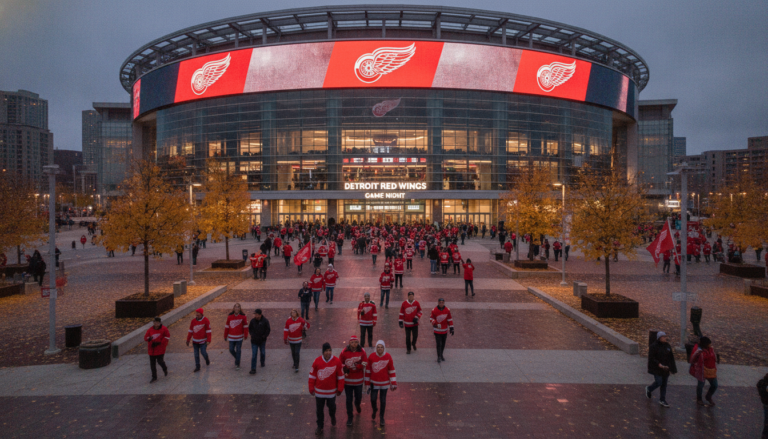
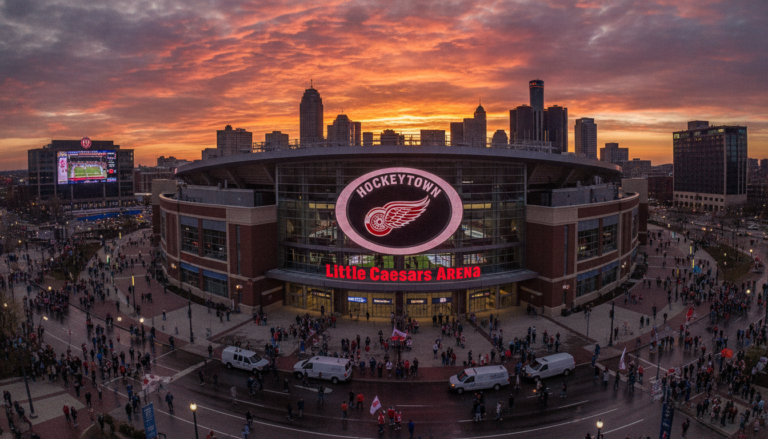
The traditional concept of the shopping mall has also evolved within the Detroit context. Rather than isolated structures surrounded by parking lots, modern malls Detroit has introduced are often integrated into larger entertainment districts. The District Detroit, anchored by the city’s professional sports arenas, has matured into a multi-block shopping and dining destination that attracts millions of visitors annually. This integrated approach has proven more resilient than the enclosed suburban malls of the late 20th century.
Additionally, the Gateway Center at 8 Mile and Woodward continues to serve as a vital hub for larger-format retail that the downtown core cannot accommodate. These centers provide the essential scale required for grocery chains and department stores, serving as a bridge between the high-end boutiques of the city center and the diverse local shops Detroit neighborhoods are known for.
Background & Data: Understanding the Retail Shift
To understand the current state of Detroit’s retail, one must look at the demographics. The U.S. Census Bureau’s recent updates indicate a stabilizing population in the city’s core and an increase in median household income in several key districts. This demographic shift has provided the necessary consumer base to sustain higher price points and more niche retail offerings. Recent analysis published by the University of Michigan’s Detroit Metro Area Communities Study (DMACS) highlights that residents are increasingly prioritizing local spending, with 65% of surveyed Detroiters stating they prefer to buy from businesses located within the city.
Economic analysts point to the diversification of the city’s economy as a primary driver. As Detroit becomes a hub for technology and mobility innovation, the resulting influx of workforce talent has demanded a more sophisticated retail environment. This symbiotic relationship between job growth and retail availability is a cornerstone of the city’s 2026 economic outlook. You can read more about the city’s financial trajectory in our report on the Detroit economic growth forecast.
What Happens Next
Looking toward the late 2020s, the focus is expected to shift toward further stabilizing retail in the city’s outer neighborhoods. City officials have indicated that the next phase of development will involve enhancing transit accessibility to major shopping hubs, ensuring that those without personal vehicles can easily access both luxury malls and essential local shops. The planned expansion of the QLine and improved bus frequency along the Woodward and Gratiot corridors will be vital in sustaining this retail momentum.
As long as the city continues to foster a mix of large-scale investment and grassroots entrepreneurship, the Detroit shopping scene is poised for continued stability. The transformation witnessed by 2026 serves as a blueprint for other post-industrial cities looking to reclaim their status as commercial centers. For now, Detroit remains a prime example of how strategic urban planning can turn a retail desert into a flourishing marketplace.