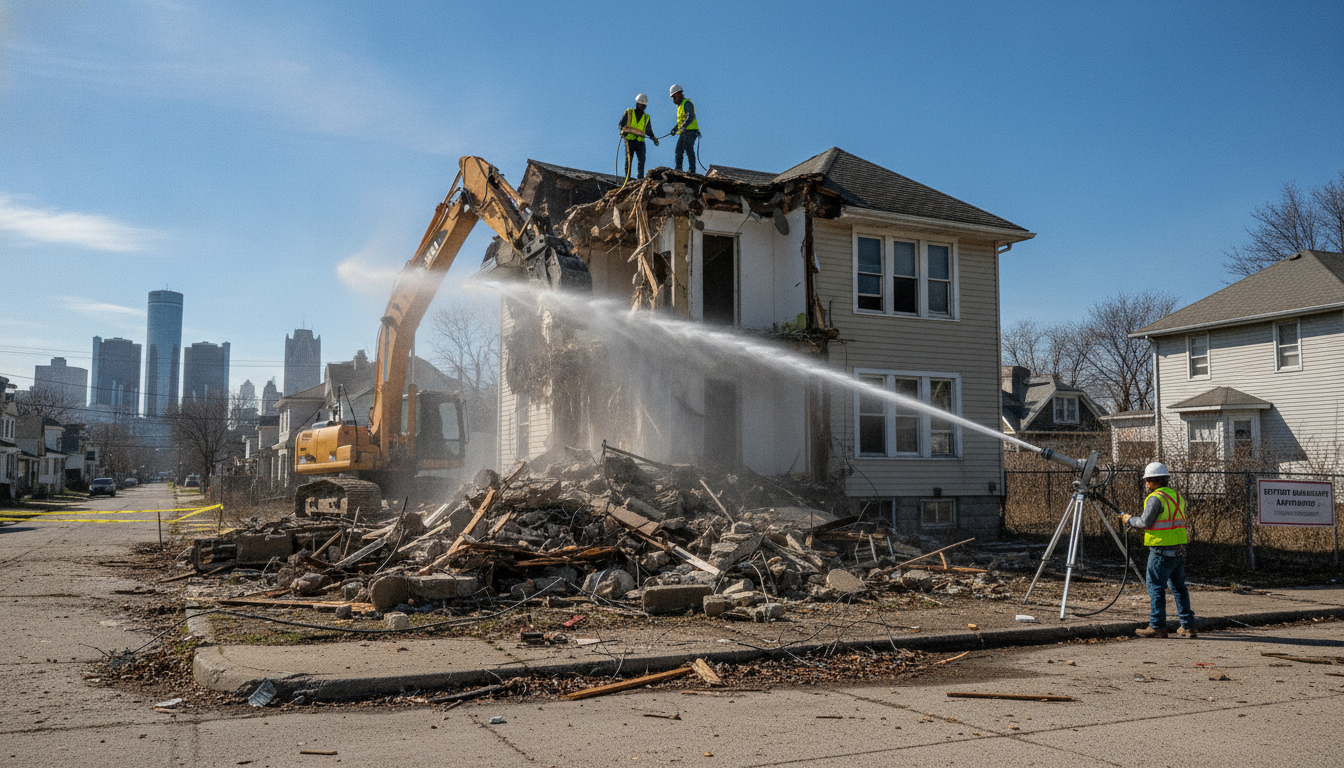
The City of Detroit’s extensive effort to remediate blight is hitting a significant financial wall as the costs associated with cleaning up toxic waste at demolition sites have nearly tripled over the last three years. This surge in expenditure is fundamentally altering the trajectory of city development and raising urgent questions about the long-term health of the Detroit environment. As the city works through its inventory of thousands of abandoned structures, the complexity of hazardous material abatement has become a primary driver of budget overruns, demanding a more nuanced approach to urban revitalization. According to data provided by the Detroit Demolition Department, the average cost to safely clear a residential property has risen from approximately $12,000 in 2020 to over $35,000 in late 2023. Officials attribute this hike to more stringent environmental protocols and the discovery of unexpected contaminants in neighborhood soil. The Michigan Department of Environment, Great Lakes, and Energy (EGLE) has implemented more rigorous testing requirements to ensure that toxic waste, specifically friable asbestos and lead-based paint, does not migrate into surrounding residential areas during the knockdown process.
The Financial Strain of Blight Removal
The financial shift comes at a critical time for Detroit. Much of the funding for these efforts stems from Proposal N, a $250 million bond initiative approved by voters in 2020. While the bond was intended to address roughly 16,000 blighted homes, the escalating cleanup costs mean the city must now prioritize which structures receive immediate attention. This strain on the budget is a direct result of the city’s commitment to protecting the Detroit environment. In previous decades, demolition practices were often criticized for being too fast and insufficiently regulated, leading to concerns about air quality and soil contamination. Today, the Detroit Demolition Department maintains that the higher price tag is a necessary investment in public health. Recent procurement documents indicate that the specialized labor required for hazardous waste removal has seen a sharp increase in demand, further driving up market rates for contractors who are certified in toxic waste remediation. As city development continues to move into the neighborhoods, the cost of ensuring a site is build-ready has become a major variable for city planners and private developers alike.
Managing Toxic Waste in Residential Zones
One of the primary drivers for the cost increase is the prevalence of friable asbestos, a material that can easily become airborne and poses a severe risk for respiratory illness. Many of the homes slated for demolition were built in an era when asbestos was a standard construction material. When these buildings fall into disrepair, the hazards multiply. According to reports from the Michigan Department of Environment, Great Lakes, and Energy (EGLE), older structures in the city often contain a cocktail of contaminants including mercury switches, PCB-containing ballasts, and lead pipes. The removal of these materials requires a meticulous, room-by-room abatement process before the heavy machinery can even begin the demolition. This pre-demolition phase has become the most expensive part of the process. Furthermore, the city has adopted a more aggressive soil-testing regime. If a site is found to have high concentrations of lead or other heavy metals, the top layers of soil must be removed and replaced with clean fill, a process that can add thousands of dollars to the final bill. This ensures that the Detroit environment remains safe for future residents, particularly in areas slated for new housing or community gardens. For more information on neighborhood safety standards, residents can visit the Neighborhood Revitalization portal for updates on local projects.
Impact on Detroit Residents and Neighborhood Health
For many Detroit residents, the rising costs are a secondary concern to the immediate safety of their families. Living next to a blighted home is not just an eyesore; it is a health hazard. However, the increased length of the demolition process due to environmental testing has left some residents waiting years for action. In neighborhoods like Brightmoor and the North End, community leaders have expressed both relief at the thoroughness of the cleanups and frustration with the slower pace. Local block club organizers have noted that while the dust mitigation strategies—such as constant water spraying during demolition—are visible improvements, the presence of toxic waste remaining on sites for extended periods while awaiting specialized crews remains a point of contention. The city has countered these concerns by stating that the health of the Detroit environment cannot be rushed. Ensuring that every site is cleared of hazardous materials prevents long-term liabilities for the city and protects the water table from runoff. This focus on environmental justice is a cornerstone of the current administration’s urban planning policy, even as it stretches the city budget to its limits. Residents interested in how these costs affect the broader municipal spending can view the City Budget Updates section for a detailed breakdown of Prop N spending.
Background & Data: The Role of EGLE and Proposal N
The regulatory framework governing these demolitions is overseen by both local and state agencies. The Michigan Department of Environment, Great Lakes, and Energy (EGLE) provides the necessary oversight to ensure that all federal and state laws regarding air quality and hazardous waste disposal are followed. Their data suggests that as the city moves deeper into its inventory of older industrial-adjacent properties, the concentration of toxic waste tends to increase. This is a legacy of Detroit’s industrial past, where small-scale manufacturing was often embedded directly into residential blocks. Statistical analysis from the Detroit Demolition Department shows that nearly 40 percent of structures demolished in the last year required enhanced environmental remediation beyond the standard asbestos abatement. This trend is expected to continue as the city targets more complex structures. The financial implications are clear: without additional state or federal assistance, the city may need to seek alternative funding sources to complete the goals originally set out by Proposal N. This may include redirecting funds from other city development projects or seeking grants specifically designated for brownfield redevelopment.
What Happens Next for City Development
Looking ahead, the city is exploring new ways to reduce costs without compromising environmental integrity. This includes the potential for localized soil processing centers which could reduce the transportation costs associated with hauling contaminated earth to distant landfills. There is also a push to increase the number of certified abatement contractors in the region to foster more competitive bidding. The future of city development in Detroit is inextricably linked to the success of these demolition efforts. As long as toxic waste remains a barrier, the transformation of blighted lots into productive community assets will be a slow and expensive journey. However, city officials remain optimistic that the high costs today will prevent the astronomical costs of environmental remediation in the future. By prioritizing the Detroit environment now, the city is laying the groundwork for a safer, cleaner, and more sustainable urban landscape for the next generation of Detroiters. The balance between fiscal responsibility and environmental safety remains delicate, but for the residents living in the shadow of blight, the move toward more thorough cleanup is a long-overdue change in policy.