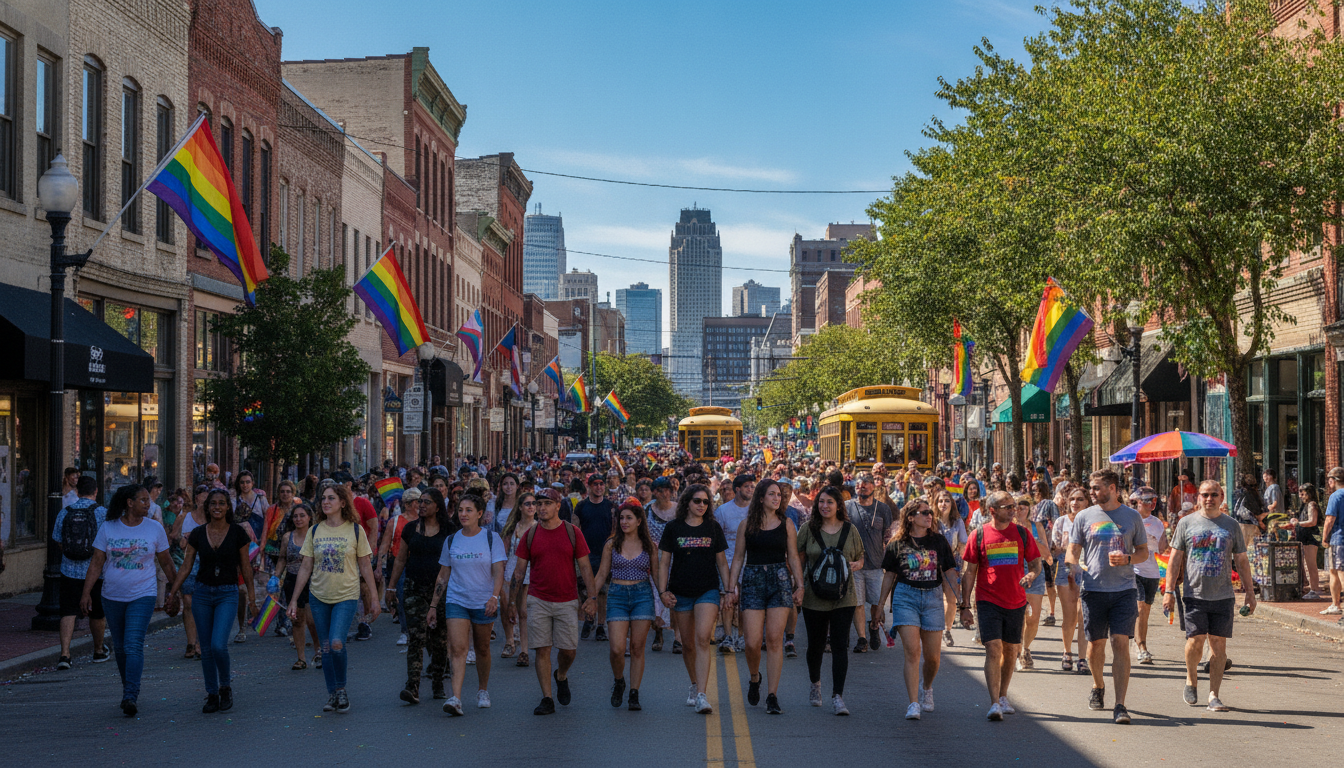
The traditional landscape of Detroit Pride is undergoing a significant transformation. Once centered almost exclusively on a singular weekend at Hart Plaza, the celebration of the LGBTQ community in Metro Detroit has evolved into a robust, multi-week season of programming that spans neighborhoods, art galleries, and small businesses. This expansion reflects a broader national trend, but in Detroit, it is deeply rooted in the city’s unique cultural history and ongoing neighborhood revitalization efforts.
A Shift Toward Citywide Integration
In recent years, the Motor City Pride festival, which typically draws over 50,000 visitors to the riverfront, has remained the cornerstone of local celebrations. However, organizers and local leaders note that the demand for representation has moved beyond the festival gates. According to the City of Detroit’s Civil Rights, Inclusion & Opportunity (CRIO) Department, there has been a documented increase in neighborhood-based pride events, ranging from the historic Palmer Park area to the burgeoning art districts in the North End.
This shift is not merely social but also logistical. By spreading events throughout June and into the late summer, the LGBTQ community and its allies are creating a more accessible environment for residents who may find large-scale festivals overwhelming or inaccessible. These decentralized gatherings include poetry slams, local theater productions, and community health fairs, all aimed at fostering a more inclusive atmosphere throughout Metro Detroit.
Economic Impact on Metro Detroit Businesses
The expansion of Detroit Pride into a season-long affair has provided a measurable boost to the local economy. Small business owners in the Corridor and beyond have reported increased foot traffic as they host independent events. The Detroit Regional Chamber has previously highlighted how cultural tourism plays a vital role in the city’s economic recovery, and Pride is becoming a major pillar of that strategy.
Local boutiques, cafes, and restaurants often see a surge in revenue during these specialized events. Unlike a single-day festival where spending is concentrated at a specific venue, the citywide approach encourages residents to explore different neighborhoods, supporting Detroit development and small-scale entrepreneurship. Many business owners have transitioned from simple window displays to hosting substantive discussions and networking events for LGBTQ professionals, further integrating the season into the professional fabric of the city.
Impact on Detroit Residents
For the average Detroit resident, the broadening of Pride activities means more than just entertainment. It represents a visible commitment to safety and inclusion in everyday spaces. Community advocates argue that when Pride is visible in neighborhood parks and local libraries, it helps to normalize diverse identities in a way that a restricted festival cannot.
Furthermore, the increased focus on year-round support—catalyzed by the Pride season—has led to better resource allocation. Local non-profits often use the visibility of these months to launch housing initiatives and mental health resources. Residents can find information on Detroit housing and community support services more readily as organizations leverage the seasonal momentum to reach marginalized populations.
Data and Historical Context
Historical data from the Detroit Historical Society suggests that while the city’s first organized Pride marches took place in the early 1970s, the current scale of participation is unprecedented. The growth is supported by demographic shifts; according to recent data from the U.S. Census Bureau and independent research from the Williams Institute, the Detroit metropolitan area remains home to one of the most vibrant and diverse LGBTQ populations in the Midwest.
State-level legislative changes, such as the expansion of the Elliott-Larsen Civil Rights Act, have also provided a legal framework that encourages more public and corporate participation in Detroit Pride activities. This legal backing has emboldened local municipalities within Metro Detroit to fly pride flags and pass inclusive ordinances, reinforcing the city’s reputation as a destination for cultural events.
The Role of Local Organizations
Organizations like LGBT Detroit and the Ruth Ellis Center play a pivotal role in ensuring that the expansion of the season remains focused on community needs rather than just commercial interests. These groups provide a crucial link between the celebratory aspects of festivals and the necessary advocacy for civil rights. By hosting events that focus on the history of Black and Brown LGBTQ leaders in Detroit, they ensure that the citywide celebrations remain reflective of Detroit’s actual population.
Official resources and further information on municipal support for these initiatives can be found via the City of Detroit official website, which lists various permits and community guidelines for neighborhood event organizers.
Future Outlook for Cultural Events in Detroit
As Detroit continues to position itself as a hub for cultural and social innovation, the model of a “distributed festival” seen with Detroit Pride is likely to be replicated by other cultural sectors. The success of this expanded season demonstrates that residents are looking for deeper, more localized engagement with the events that shape their city.
Looking ahead, the goal for many organizers is to maintain the momentum generated during the summer months throughout the rest of the year. With a focus on sustainable growth and community-led programming, Detroit is setting a standard for how modern cities can celebrate diversity while fostering genuine neighborhood connectivity. The future of Metro Detroit’s cultural calendar looks increasingly inclusive, ensuring that the spirit of Pride is felt in every zip code, from the riverfront to the city limits.