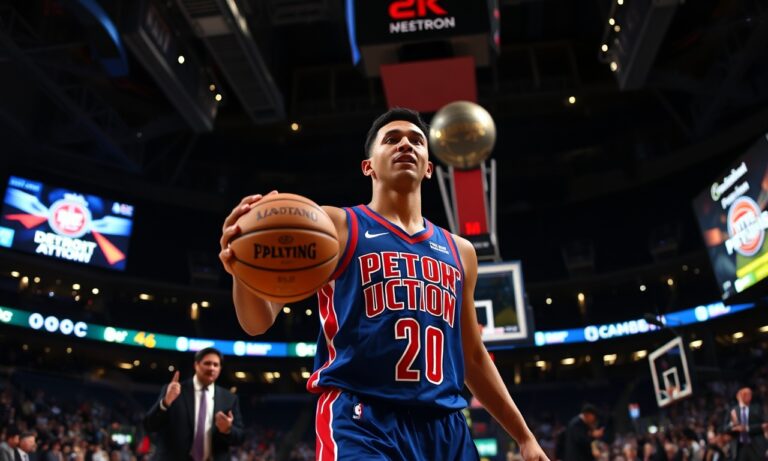
Detroit Pistons executives and league sources are increasingly pointing to a summer of difficult decisions as the franchise evaluates NBA star targets while continuing a rebuilding effort. With the Pistons chasing long-term roster flexibility and on-court growth, the latest NBA rumors and trade rumors are shaping how fans interpret the team’s next moves—especially in a market where winning has major ripple effects for local businesses and youth sports programs.
According to The Athletic, Detroit’s front office has continued to weigh player impact against salary and contract length as it looks for a “fit” that can accelerate its timeline. Separately, the NBA’s collective bargaining environment and the trade market’s price tags have made targeted acquisitions more complex for teams outside the playoff race, a reality that general managers across the league are factoring into roster-building.
While no deal is confirmed, multiple reports indicate that the Detroit Pistons are monitoring trade possibilities that could bring a proven offensive or defensive centerpiece—exactly the type of player that typically changes expectations for a franchise. For Detroit fans, the question now is how quickly the organization can convert those evaluations into actionable decisions without sacrificing depth needed for development.
Detroit Pistons, NBA star targets and what the trade chatter signals
In NBA rebuilding cycles, rumors tend to follow a recognizable pattern: teams first establish what they need to keep long-term (often via contract structure and roster continuity), then they attempt to add talent through the trade market. This year’s talk around the Detroit Pistons reflects that second phase.
Industry analysts have suggested that teams in Detroit’s position typically look for two things in NBA star targets: (1) a player who can shoulder reliable shot-making or defensive anchor duties, and (2) a path to integrate that player without disrupting the development of younger teammates. That balance matters because the Pistons have been building around younger pieces while trying to turn improvement into consistency.
Reporting from ESPN has highlighted how the market for impact wings and guards remains expensive, with contenders willing to pay in multiple directions—sometimes sending a starter-plus role player, sometimes attaching draft assets, and sometimes seeking salary-match flexibility. That context helps explain why the trade rumors linked to Detroit have not immediately produced a blockbuster headline.
Impact on Detroit Residents: sports, jobs and local spending
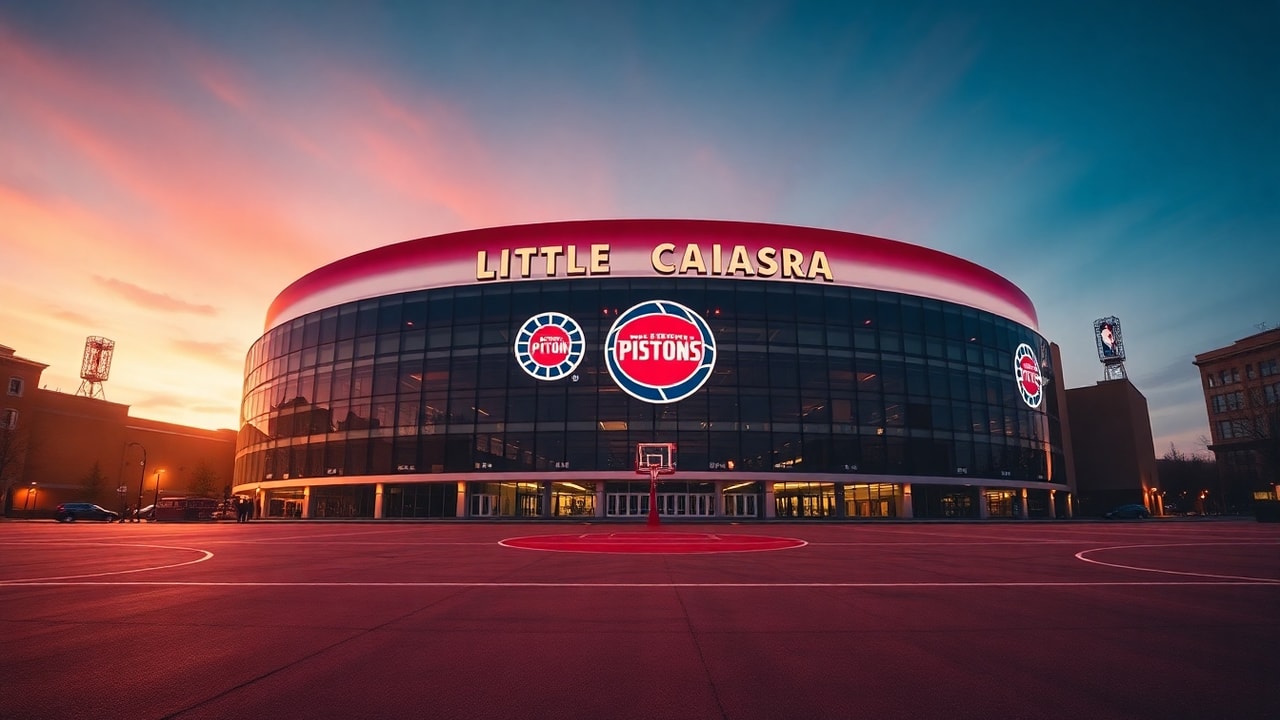
The Detroit Pistons are not just a sports storyline; they’re part of a broader economic ecosystem tied to Little Caesars Arena and the surrounding downtown district. When a team is winning, nearby restaurants, bars, ride-share providers, parking operators, and event staff often see stronger demand. When a team is still rebuilding, spending can be steadier but less predictable—particularly for weekday games and non-premium matchups.
Local impacts show up beyond game night. Youth basketball programs often experience boosts in participation when fan interest rises, and that can translate into increased revenue for coaches, gym operators, and community leagues. For residents watching Detroit basketball news and wondering how roster moves could affect the city’s sports energy, the relationship is indirect but real: a faster competitive turnaround can change the baseline level of enthusiasm that drives engagement.
Detroit’s economy has also been shaped by wider investment cycles in and around Downtown, and major-league franchises are frequently part of the narrative around why cities invest in entertainment infrastructure. The question for residents is whether Pistons roster improvements—if they happen sooner—can reinforce those investments by boosting foot traffic and event visibility.
Background & Data: why rebuilding choices are harder in Detroit
Roster planning is guided by salary rules, contract commitments, and the realities of player availability. Data from the U.S. Census Bureau shows Detroit’s population trends and household dynamics have evolved over time, and those shifts influence household spending patterns—factors that matter to local sports economics. When discretionary spending is sensitive, teams often feel additional pressure to create momentum quickly.
At the same time, the NBA’s salary-cap mechanics can make targeted acquisitions challenging. Even when a franchise identifies a high-ceiling talent, aligning contracts for a trade can require moving multiple players or taking on money that affects future flexibility. For teams engaged in team rebuilding plans, that flexibility is typically treated as a strategic resource: preserve it, and you can pivot faster; spend it too early, and you risk being locked into a roster that doesn’t reach its ceiling.
Detroit’s position also means the Pistons must consider how newly acquired players will fit with existing development goals. The best-case outcomes involve meaningful playing time and clear roles rather than short-term “name” value. In that sense, the rumors around NBA star targets are less about chasing attention and more about testing whether a player’s skill set maps to the Pistons’ needs in both the short term and the next few seasons.
What happens next: monitoring the trade market, not just the headlines
For now, Detroit fans should treat the latest signals as a moving target rather than a schedule. The Pistons’ front office is likely to continue evaluating whether the available trade packages align with the organization’s long-term approach—particularly regarding draft pick protection, contract length, and the probability that a deal strengthens the team immediately without blocking the next wave of development.
In practical terms, there are three common decision points that typically shape how NBA rumors become real moves:
1) Draft and trade leverage: Teams can only pay so much, and the best deals often require timing—especially if other front offices are seeking to move players or clear space for the future.
2) Fit and role clarity: Impact talent is most valuable when it can be integrated into a system and provide consistent production. Detroit’s scouting priorities will influence whether the Pistons pursue certain star-caliber players versus other options.
3) Salary matching and flexibility: Even if a team is interested, deals can stall if contracts don’t align neatly under NBA trade rules.
Local fans’ checklist: how to read Detroit basketball news
As new reports circulate, residents in Metro Detroit can look for indicators that the organization is serious about a specific path—such as whether rumor reports mention role clarity, contract structure, or confirmed roster needs (for example, shot creation, perimeter defense, or rebounding). Those details tend to correlate more strongly with trades that happen than vague “interest” claims.
Meanwhile, the Pistons’ development plan may also influence what kind of player Detroit can realistically acquire. A rebuilding team often benefits from acquisitions that can either raise the floor immediately or become the centerpiece of a new identity. That is why team rebuilding plans tend to be more than a season-long aspiration; they are constraints that shape every negotiation.
Bottom line
The Detroit Pistons are reportedly being linked to NBA star targets, and the emerging chatter around trade rumors is consistent with a franchise trying to accelerate its competitive timeline while managing the cost of doing so. For Detroit residents, the potential upside goes beyond the scoreboard: roster changes can influence local sports spending, community engagement, and the broader downtown event atmosphere tied to Little Caesars Arena.
As the trade market evolves, the biggest story for fans won’t just be who Detroit is watching—it will be whether the Pistons can turn evaluations into a deal that meaningfully strengthens the roster without undermining the longer-term foundation.