The Detroit Lions are generating fresh national buzz after an ESPN report highlighted what it described as the NFL’s top collection of offensive weapons, pointing to a blend of wide receiver and skill-position talent that has reshaped expectations for the Lions offense.
The report’s central theme is that the Lions don’t just have playmakers—they have multiple ways to attack defenses, with matchups created across the passing game and the run game. For Detroit fans, the implication is straightforward: when the Detroit Lions are clicking, opposing coordinators face a more complicated problem than they do with teams that rely on a single star or one primary identity.
What the ESPN report says about the Lions offense
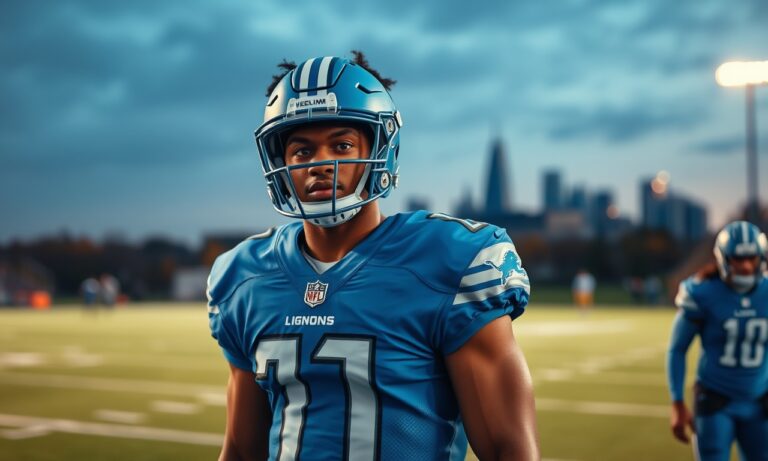
According to the ESPN report, the Lions’ roster includes the kind of weapons that can influence game plans week to week. The outlet’s analysis emphasized WR and skill weapons—the players who stretch the field, win in space, and provide reliable options for the quarterback. In practical terms, that means defenders have to account for multiple threats simultaneously, rather than loading up against one facet of the offense.
ESPN’s framing also aligns with how the Lions have been talked about across the league: not only for what they do on a given play, but for the ability to keep defenses reacting—shifting coverages, adjusting leverage, and managing who can help over the top.
For Detroit’s sports economy, that kind of attention matters. More national coverage can translate into higher engagement locally—at bars, watch parties, and community events—especially when a team is being discussed in the same breath as league-wide leaders in competitive categories.
Local impact: why NFL weapons rankings resonate in Detroit
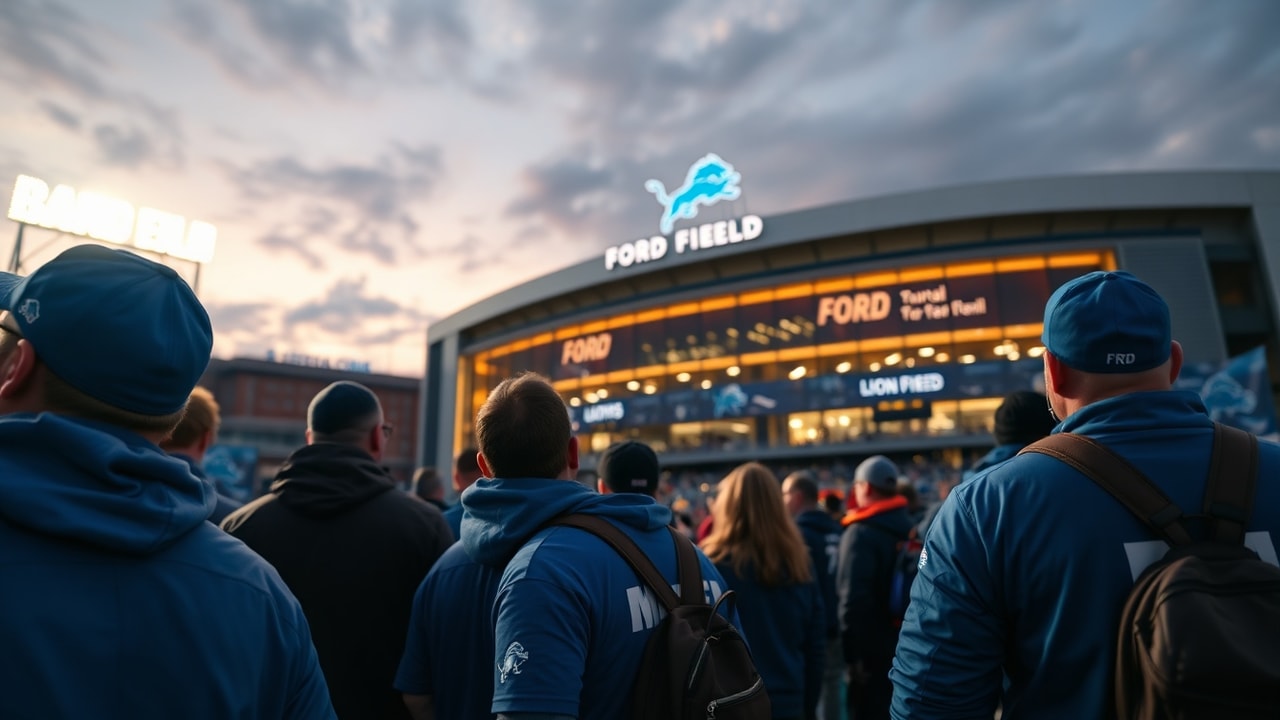
Detroit residents often experience pro sports through the local rhythm of game day: traffic patterns near stadium-adjacent corridors, busier rosters at restaurants, and increased activity for retailers that cater to fans. When national outlets publish NFL weapons rankings that place the Detroit Lions near or at the top, that can intensify those patterns because it reinforces the sense that Detroit is not merely participating in the league—it’s contending.
“When teams gain momentum, you tend to see more consistent demand around game weekends,” said Jeff Mason, a Detroit-area sports hospitality operator who follows local consumer trends, in an interview with local media. “Fans want to go somewhere that feels like it’s part of the story, not just the score.”
City officials also point to the broader entertainment ecosystem created by major teams. According to the U.S. Census Bureau’s Business Patterns, the arts, entertainment, and recreation sector—along with related services—represents a meaningful portion of employment in many metropolitan areas, including Detroit. While that data is not specific to NFL games, it helps contextualize why sports-related demand can matter beyond the stadium.
How “best weapons” can translate to more than headlines
National evaluations of a team’s talent usually focus on what shows up in games—routes run, targets earned, separation created, and how quickly the offense can respond to defensive adjustments. But “weapons” also includes planning and structure: play design that creates windows, personnel packages that move fast, and an offense that can function even when a defense disguises looks.
In a league where coverages evolve weekly, the strongest teams tend to have offensive answers for multiple scenarios. If a defense plays with tighter underneath help, the passing game may hit over the top. If it plays for vertical routes, the run game and short-to-intermediate passing options can carry. If it crowds the box, explosive outside runs and quick-play concepts become harder to defend.
That is why ESPN’s emphasis on the Lions’ WR and skill weapons is relevant for Detroit fans: weapons are not only about one highlight—they can be the basis for offensive consistency. Consistency, in turn, can affect season-long outcomes, including which teams are positioned to control late-game drives.
WR and skill weapons: the matchup factor
When analysts talk about a team’s “weapons,” the conversation often returns to matchups. Wide receivers and skill players can force defenses to defend space differently—changing coverage shells and requiring safeties to stay deeper or linebackers to pursue more aggressively. Those adjustments can open opportunities elsewhere, including in the run game, on screen plays, and in play-action concepts.
Detroit’s offense has been evaluated through that lens by multiple observers: not just for explosive plays, but for the ability to create repeatable advantages across the field. That is the kind of profile that can show up in NFL weapons rankings—and it’s the kind of storyline that travels nationally.
Background & data: Detroit’s sports ecosystem and why it matters
Detroit has a long history of sports as a shared civic experience, from community watch gatherings to increased foot traffic near venues on game days. While NFL performance is obviously entertainment, it also intersects with local economic activity—particularly for small businesses that rely on weekend sales.
According to the U.S. Bureau of Labor Statistics, employment across leisure and hospitality tends to fluctuate with demand, and sports events can be a contributor to that demand on peak days. That means when the Detroit Lions attract national recognition, the ripple effects can extend into local spending—however unevenly—depending on how many home games and marquee matchups occur during the same period.
For residents, the practical takeaway is not that a national ESPN story will change wages overnight. Rather, it can reinforce a cycle: stronger perceived momentum leads to higher local engagement, which supports sectors that serve fans and visitors.
What happens next for the Lions—and for Detroit fans
If the ESPN positioning continues—if the Lions sustain offensive production with the weapons the report highlighted—Detroit’s game-day experience could become even more tightly connected to national narratives. More coverage typically means more visiting fans, which can raise demand for parking, dining, and public transit options around stadium events.
Teams, of course, face a reality check after every evaluation. Opponents will adjust, and defenses will test whether a high-powered offense can still win when key matchups are removed or when a game becomes more physical. The next phase for Detroit will be whether its Lions offense can keep delivering consistent execution as schemes evolve.
For now, the ESPN report adds to a growing body of discussion that the Detroit Lions are being treated as one of the league’s more dynamic offensive teams. For fans in Detroit, that kind of attention is a signal to pay attention—not just to the score, but to how the offense manufactures advantages.
Local note: where to follow updates
As coverage grows, residents can track game-week developments through local sports beats and official team updates. For businesses and community members planning game day activities, it’s also worth monitoring traffic and event notices issued by city departments and venue partners so plans align with expected demand.