The Detroit Lions’ offseason cornerback conversations have intensified with a familiar question taking center stage: who can step into the role of Terrion Arnold in the team’s defensive back rotation. As the franchise weighs its Detroit Lions secondary priorities for the next NFL season, league-wide spending trends suggest Detroit will likely shop both the draft and NFL cornerback free agency to maintain depth and coverage flexibility.
According to Pro Football Reference, Arnold’s production profile has placed him among the names analysts monitor for snaps and impact in coverage. Meanwhile, roster construction for teams competing in the NFC has become increasingly strategic—prioritizing corners who can handle man coverage, bracket route concepts, and matchup-driven play-calling.
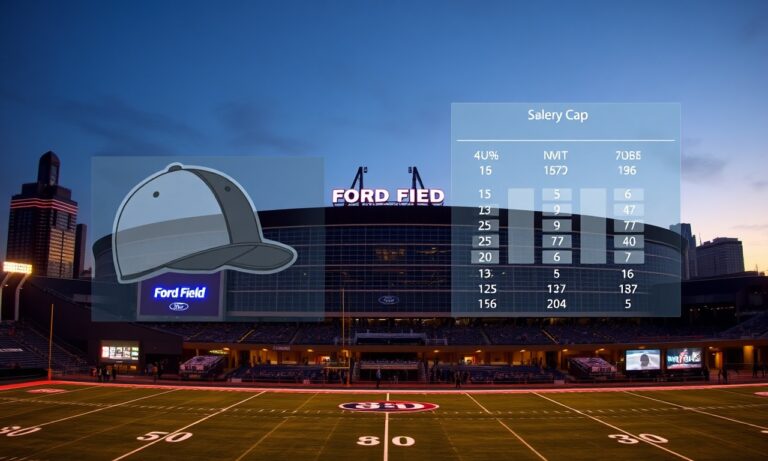
In Detroit, those needs are tied directly to how the Lions expect their defense to perform against AFC and NFC passing attacks. The team’s offseason planning is also influenced by the NFL’s evolving salary-cap landscape. Data from the OverTheCap.com salary-cap tracker is frequently used by teams and media to estimate contract structures and realistic signing windows—an important factor when evaluating whether a given Detroit Lions cornerback target is feasible in free agency.
Detroit Lions cornerback targets: 10 possible Terrion Arnold replacement profiles
Rather than reducing the question to one “perfect” type of corner, the Lions’ likely search will reflect a blend of traits. Detroit has shown that it can tailor roles by scheme and personnel, so its AFC/NFC defensive back search could include boundary corners, inside-out versatility, and special-team-ready depth.
Below are 10 realistic Detroit Lions cornerback targets that could fit a Terrion Arnold replacement mold—either as a starter candidate, rotational piece, or high-impact depth option:
1) Carlton Davis (if available)
A veteran boundary presence with experience defending intermediate routes and maintaining leverage, Davis is the kind of player who can stabilize coverage assignments. The Lions could view him as a “plug-and-play” alternative if cost and roster fit align.
2) Tre’Davious White (injury-readiness dependent)
White’s ceiling remains tied to press technique and speed-to-contact. Any decision would likely be driven by medical evaluations and recent practice availability, but his profile is the sort of coverage skill set teams covet for matchup-driven defensive back search.
3) Mike Edwards (safety/corner hybrid considerations)
While Edwards is primarily known as a defensive back who can play closer to the ball than most traditional safeties, a team seeking flexibility may consider a player who can cover in space and assist in disguise packages.
4) Emmanuel Forbes (younger upside option)
Forbes represents the type of development target that can make sense for a Lions roster aiming to balance immediate needs with longer-term athletic upside. Detroit has frequently valued traits—speed, recovery, and willingness in coverage.
5) Rasul Douglas (immediate coverage and veteran leadership)
Douglas has a track record of providing physicality and competitive route defense. If the Lions pursue an NFL cornerback free agency option, a veteran with experience in complex coverage calls could help reduce transition time.
6) Cam Taylor-Britt (if the market opens)
Cornerback athleticism and improving technique are central to Taylor-Britt’s appeal. A Lions “Terrion Arnold replacement” plan could lean on a player who’s ready to handle assignment football while still growing into larger roles.
7) Christian Gonzalez (draft-day or trade framework)
Gonzalez-style size and fluidity can match what contenders look for when expanding coverages. If Detroit shifts toward the draft to address roster needs, boundary boundary skills like those are often targeted early.
8) Eric Rowe (depth with special-teams value)
Not every corner move is about starting immediately. A veteran depth piece can improve special-teams reliability and provide insurance if injuries create coverage shortages during the season.
9) Deandre Yedlin-type athletic depth (scheme dependent)
Teams often find value in players whose speed and long stride translate to back-shoulder recovery. Detroit’s defensive back search could include athletic profiles that fit how Dan Campbell’s organization structures competition across the secondary.
10) A rookie CB through early rounds
Even with roster-level free agency plans, the Lions typically treat the draft as a pipeline for the next wave of defensive back talent. A rookie corner can be groomed as a replacement option while starting experience and veteran mentorship shape readiness.
Note: The NFL is fluid—player availability, contract costs, and team needs change quickly. Detroit’s final strategy will depend on the free agency market, the draft board, injury history, and how coaches evaluate coverage fit during offseason work.
Impact on Detroit Residents: why the Lions’ secondary matters locally
For Detroit residents, a stronger Detroit Lions secondary has ripple effects that go beyond Sundays. A contending team increases local economic activity around game weekends, from hospitality demand to transportation utilization. While the Lions’ on-field performance is not tied to a single neighborhood, the broader downtown-and-stadium ecosystem typically benefits when the team stays competitive.
According to the U.S. Bureau of Labor Statistics and related regional economic reporting, consumer spending tends to rise during major events in metro areas—especially in sectors like retail and food services. When Detroit fans show up in larger numbers and stay longer, the impact can be felt across the city’s dining corridors and local businesses that cater to residents and out-of-town visitors.
At the same time, roster decisions affect community engagement. The Lions’ community relations efforts—youth clinics and player programming—often draw from the players Detroit can field at full strength. When the team maintains depth in the secondary, it can keep more players available for community events during the season.
Background & data: what Detroit’s roster needs look like
The question of a Terrion Arnold replacement isn’t happening in a vacuum. In modern NFL defenses, cornerback depth is closely tied to defensive scheme versatility and how often offenses target the perimeter. Because teams frequently change formation motion and route trees, the ability to cover in man, play quarters, and rotate under disguise has become a premium.
League context also matters. Coverage success is increasingly measured through passer rating allowed, completion percentage on targeted routes, and how often defenders break up passes in their assigned zones. Analysts referenced by Football Outsiders and other football-analytics outlets often emphasize that corner evaluation should account for both route context and play design, not just raw counting stats.
On the financial side, Detroit’s ability to land a high-profile Detroit Lions cornerback target in NFL cornerback free agency can depend on cap room and contract structure. OverTheCap’s salary-cap estimates are commonly used as a baseline for determining what clubs can realistically pursue without compromising other positional needs.
What happens next for the Lions’ AFC/NFC defensive back search
Over the next few weeks and months, Detroit’s front office will likely narrow its focus by combining medical evaluation, film review, and cost projections. If the team believes the defensive scheme requires an immediate coverage starter, free agency will move to the top of the board. If the Lions prioritize long-term value, the draft could supply the Terrion Arnold replacement with a development timeline.
Here are the key milestones Detroit fans will watch:
- Free agency activity: Detroit’s early interest in boundary corners or hybrid defensive backs will signal how quickly the Lions plan to address the position.
- Contract negotiations: The gap between reported market value and Detroit’s comfort level often determines whether a target becomes a realistic signing.
- Draft pre-work: If the Lions host visits and work out prospects tied to the boundary role, it suggests a draft-first plan—especially for players who can learn quickly.
- Training camp evaluation: Detroit’s coaching staff typically uses camp competition to confirm which players can handle assignment responsibility and communication at speed.
For now, the Lions appear headed toward a multi-pronged plan: protect the secondary with proven coverage skill while keeping the roster deep enough to survive the grind of an AFC/NFC schedule. For Detroit residents, that work translates into one goal: ensuring the team’s defensive backfield can keep pace with elite passing attacks as the season approaches.