The Detroit Tigers will look to even the series when they host the Houston Astros for a Game 3 showdown in Detroit on Saturday, a matchup expected to draw fans downtown and across the region as the MLB playoffs move through the second stretch of high-stakes games.
With the series momentum hinging on pitching, leverage at the plate and bullpen timing, Tigers manager AJ Hinch and the coaching staff have one clear goal: build on the lessons of the first two games and swing the momentum back toward Comerica Park. While postseason baseball is built on small margins, Detroit’s approach in Game 3 will likely be shaped by how quickly the Tigers can turn early opportunities into runs and limit the Astros’ ability to capitalize on mistakes.
What’s at stake in Saturday’s Game 3 for Detroit baseball
Saturday’s Game 3 is more than another contest in the bracket—it’s a test of how Detroit handles pressure with its home crowd and how it manages the day-to-day strategic adjustments that determine playoff outcomes. As the Tigers prepare, attention in Detroit will naturally shift to starting pitching matchups, the timing of bullpen usage and whether Detroit’s lineup can generate consistent contact and productive at-bats against Houston’s postseason-caliber pitching.
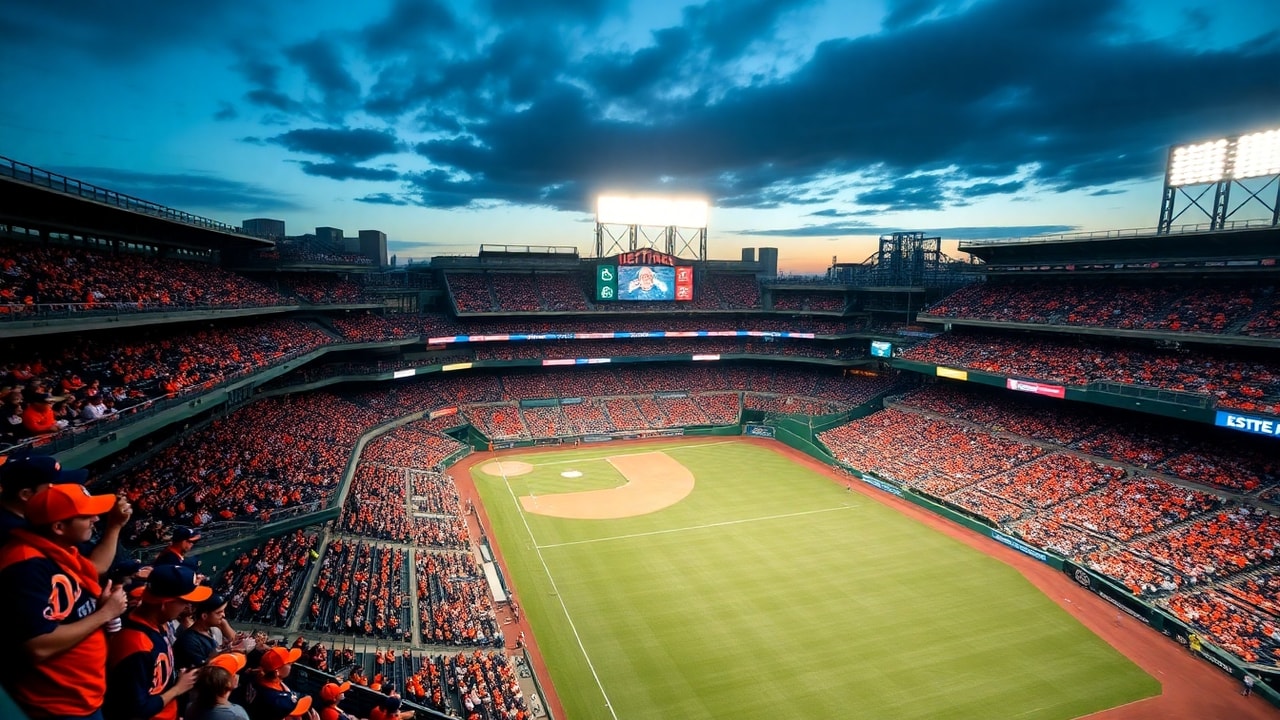
For Tigers fans, the most tangible part of postseason energy is the ballpark atmosphere—families and longtime supporters filling seats, local businesses across Midtown and downtown preparing for heavy foot traffic, and the city getting another shared sports moment to latch onto.
“Postseason games tend to magnify everything: plate discipline, bullpen availability and even how quickly you recover after an inning doesn’t go your way,” Hinch said in a recent team media session, emphasizing how the next contest can be won through execution rather than relying on a single big swing.
Local interest and the Detroit economy around the ballpark
In Detroit, playoff games can have a measurable ripple effect—especially for restaurants, bars and hospitality businesses that benefit from visitors. While the immediate economic boost from one series is difficult to quantify precisely in real time, local analysts often point to increased demand on game days and the broader importance of sports for city branding.
According to a 2023 report from the Urban Institute on the economic impact of major events, spending associated with event attendance can flow through local businesses, particularly when visitors come from outside the immediate area. Although the specifics for Detroit’s Tigers postseason crowds vary by opponent and ticket availability, the underlying mechanism is consistent: restaurants, concessions, rideshare and nearby retail see higher demand when a marquee event draws attention citywide.
Detroit officials have also highlighted how attracting and retaining large events supports local economic momentum. Data from the U.S. Census Bureau shows that consumer spending patterns can shift noticeably around concentrated periods of local activity, reinforcing why game-day planning matters for small businesses and staffing schedules in neighborhoods near major venues.
For Game 3 on Saturday, that means many local operators—from quick-service eateries to full-service dining—are likely to adjust hours, increase inventory and staff up to handle the higher demand. Rideshare and transit planning can also play a role for fans trying to get to and from Comerica Park efficiently.
Key storylines: pitching matchups, bullpen leverage and offensive execution
As Detroit prepares for Saturday’s Saturday matchup against the Houston Astros, the most significant determinant of the game may be pitching management. In playoff baseball, a small advantage in the starting rotation or bullpen often changes the shape of the entire contest—whether it’s through creating ground-ball outs, avoiding walks or delivering strike-throwing sequences when hitters try to load up.
On the offensive side, Detroit’s postseason success has depended on turning high-leverage at-bats into runs without overextending. Against Houston, that typically requires disciplined plate approaches early, better pitch selection when counts reach favorable territory, and situational hitting when there’s a runner in motion.
The Astros’ reputation for making adjustments over multiple games means Detroit will need to be prepared for lineup tweaks and strategic changes as well. That’s where the Tigers’ bench depth and the coaching staff’s ability to identify patterns become crucial.
Why home-field energy can matter in Game 3
In MLB playoffs, home-field advantage can help teams settle into a rhythm—starting with the early innings. Familiarity with the venue, the ability to count on routine over a long series and the visible boost from a home crowd can influence everything from nerves to baserunning aggressiveness. For Detroit, playing in front of local supporters at Comerica Park is one of the few variables the Tigers control most directly as the series heads into Game 3.
Impact on Detroit residents: more than just a scoreboard
The Tigers’ playoff run is often described as entertainment, but for many Detroit residents it also functions as a public moment that brings attention to the city. When games take place at Comerica Park, they contribute to a larger pattern of Detroit residents organizing their weekends around shared culture and civic pride.
Local fans also tend to plan around game days—especially in areas with easy access to downtown Detroit. That can mean increased demand at coffee shops before first pitch, fuller dining rooms after the game and more activity at nearby attractions. For residents, the impact is twofold: the opportunity to participate in something major, and the need to plan around crowds and traffic changes that can come with popular sporting events.
Sports can also influence how residents engage with downtown’s public spaces. Whether it’s families walking to nearby restaurants or people meeting up before taking rideshare back home, game days can add to the city’s overall sense of momentum and visibility.
Background & data: how Detroit’s fan spending connects to the broader economy
While baseball games may not change Detroit’s economy overnight, the postseason can reinforce spending patterns that support local jobs. Research into event-related spending often shows that when attendance is higher and out-of-town visitors stay locally, the benefits spread beyond the venue to nearby businesses.
According to the U.S. Bureau of Labor Statistics, the leisure and hospitality sector employs a large share of workers whose schedules can fluctuate based on demand. During major event weekends, restaurants, hotels and transportation services frequently see staffing and inventory adjustments to meet customer demand.
For Detroit residents who rely on these businesses, that can translate into more consistent hours and higher sales, even if it’s concentrated around specific dates like Saturday’s matchup.
What happens next
Saturday’s Game 3 will set up the next stage of the series and shape how both teams manage their pitching plans for any additional games. For the Tigers, the immediate focus is straightforward: start strong, minimize free baserunners and maximize high-leverage plate appearances. For Houston, the priority is to continue making adjustments while preventing Detroit from gaining a sustained offensive rhythm.
Regardless of what the standings show after Saturday, the broader story for Detroit will continue to center on the same theme: postseason baseball is a citywide event. From Comerica Park to the restaurants and transit routes in between, the Tigers’ run is being watched closely—and on Saturday, the next chapter begins.