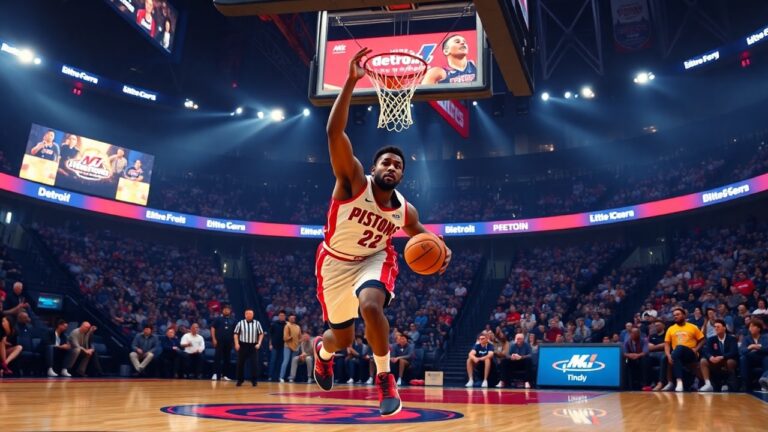
The Detroit Pistons are being forced to recalibrate after NBA rumors tied to a potential Jaylen Brown trade intensified league-wide attention on how quickly contenders can retool and how slowly rebuilding teams can miss windows. While Detroit has not signaled any direct pursuit in public, the chatter has prompted renewed scrutiny of Detroit Pistons approach—from roster construction to how the team evaluates fit, salary structure, and timeline against both the Eastern Conference and rising rivals.
For fans who have watched Detroit labor to find consistent traction, the message from the NBA market is clear: trade leverage and roster momentum can shift abruptly. A well-timed move by a playoff team can change matchups, create new defensive standards, and alter how other clubs—even those not directly involved—manage their own offseason priorities.
Main Section: A Trade Rumor That Reframes the Detroit Conversation
According to reporting summarized by ESPN, discussions around Jaylen Brown have continued to circulate as teams weigh competitiveness, contract structures, and roster flexibility. That kind of headline momentum matters for Detroit because it influences what other teams are willing to part with and what assets become scarce.
Detroit’s challenge is that its strategy has to work on two levels at once. The first is on-court development—helping players grow together and building an identity that can survive coaching changes, injuries, and lineup experimentation. The second is front-office math: draft selection, cap management, and trade readiness. When the league’s trade market heats up, the cost of acquiring established talent often rises, even for teams with no immediate plan to contend.
“Roster strategy is about timing as much as it is about talent,” said Wayne State University basketball analytics scholar Dr. Brian McNamara, in a recent interview with the Detroit sports media community. “When a high-profile player like Jaylen Brown becomes a trade focal point, it compresses the market—teams get more cautious, and the demand for specific skill sets grows.”
For the Pistons, this is why the Jaylen Brown trade storyline has become more than a rumor. It’s a reminder that Detroit basketball’s near-term path could be influenced by decisions made elsewhere—especially in conferences where top seeds can reshape the draft and trade landscape.
Impact on Detroit Residents: What This Means Beyond Basketball
Detroit residents may not track salary cap tables daily, but they feel the consequences of NBA decisions in several indirect ways. A club with steady competitiveness can improve the game-day economy—supported by crowds, media interest, and sponsor activity around Downtown Detroit and surrounding entertainment districts.
Local research on sports and urban activity underscores that major-league attendance and engagement can create measurable ripple effects for nearby businesses. According to a University of Michigan study published by the Journal of Urban Affairs examining sports-related spending patterns, large events can generate incremental revenue for restaurants, retail, and hospitality within the host area, particularly when attendance stabilizes across seasons.
From the Detroit perspective, trade market momentum also affects community perception. When fans see another team add a major wing/forward-level talent, questions naturally arise about whether the Pistons roster strategy is aligned with the speed of the modern NBA. If Detroit falls behind in perceived roster readiness, it can make patience harder for local supporters who are already balancing the hope of a rebuild with the reality of a tough schedule.
At the same time, a cautious approach can have benefits. Detroit’s development window matters: acquiring the right players at the right cost can prevent a cycle of short-term roster turnover. The key is ensuring that the Pistons are not only “ready eventually,” but are also building through measurable progression—skill development, role clarity, and dependable lineup performance.
Background & Data: Detroit’s Roster Strategy Under Pressure
The Pistons have spent recent seasons assembling a young core while trying to identify the right mix of creators, defenders, and shooting. In league terms, that means balancing developmental lineups with the need to be competitive enough to protect future roster flexibility.
While the NBA rumors around Jaylen Brown focus on a star-level player, the deeper issue is how those rumors affect what trade partners expect. Teams around the league—particularly those that want to avoid rebuilding—tend to demand more for players with championship-level experience and proven playoff impact. That can raise the asking price for role players Detroit may want, such as defensive wings, rim pressure bigs, and reliable shooters.
Detroit’s scouting and player development staff therefore face a two-part assignment. First, they must evaluate whether any available assets align with Detroit’s system and player growth goals. Second, they must determine whether the price—draft capital, salary matching, and roster trade-offs—fits the team’s Detroit Pistons approach to building a sustainable rotation.
Data from the U.S. Census Bureau helps contextualize how Detroit’s population trends shape the market size and long-term sports ecosystem. According to the Census Bureau’s population estimates, the city’s demographics continue to evolve, and consumer demand for entertainment and major sports varies across neighborhoods. For teams, stable engagement often depends on connecting with fans who want both affordability and a credible on-court direction.
Why Detroit “Being Caught Off Guard” Is a Real Risk
The phrase “caught off guard” reflects how quickly the NBA market can move once a star becomes trade-relevant. If Detroit waits too long to commit to a roster pivot, it risks losing the best-value targets to competitors that move early. Conversely, moving too early without clarity can lead to acquisitions that don’t fit the identity Detroit is building—creating a roster with talent but weak cohesion.
In that sense, the Jaylen Brown trade narrative is a spotlight on process. Detroit’s front office cannot control rumors, but it can control how prepared it is to act when the market opens. That preparation includes having a clear trade board, salary flexibility, and a development plan that can absorb newcomers without disrupting growth for young players.
What Happens Next: Detroit’s Choices After the Rumor Cycle
In the near term, Detroit’s decisions likely hinge on two timelines: immediate roster needs and long-term cap structure. Even without a direct Jaylen Brown pursuit, the Pistons must be ready to capitalize on shifting availability among supporting veterans, defensive specialists, and high-end shooters.
There are also strategic choices the Pistons can make at the margins. If the team expects fewer bargain options as the rumor cycle peaks, it may lean harder on internal development—tightening roles for emerging players and accelerating “playoff-ready” habits like defensive communication, spacing discipline, and end-of-game decision-making.
For fans tracking the Detroit basketball storyline, the next signals will likely come from lineup consistency, player usage patterns, and whether the Pistons show a willingness to take calculated risks in late-season games. Those signals matter because they reveal whether the Pistons roster strategy is tuned for the same speed as the league’s trade market.
Ultimately, the Jaylen Brown trade shines a light on a reality Detroit fans already know: the NBA rewards urgency. For the Detroit Pistons, the task is to maintain discipline while proving that their plan can respond quickly when opportunities—and costs—change overnight.