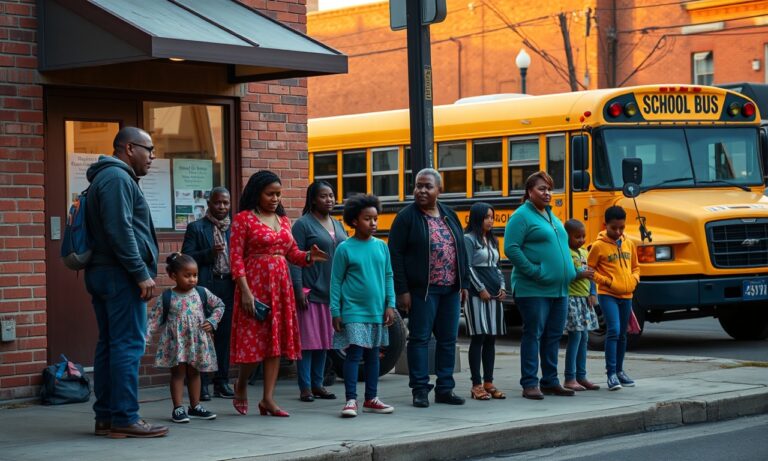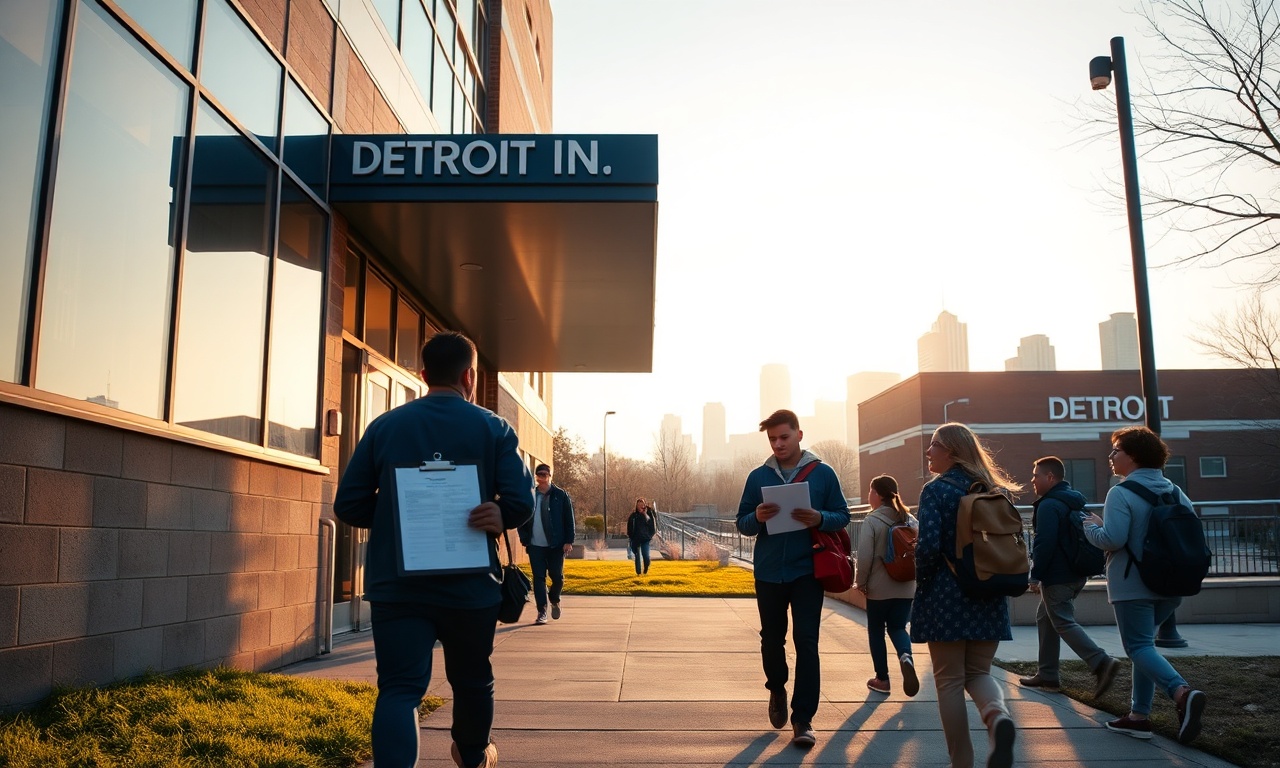
Detroit’s public school system is rolling out a major spending plan that puts student attendance at the center of its priorities, with a new effort aimed at reduce absenteeism while expanding support for educators.
The district’s proposal, built around a $1.1 billion budget for the coming school year, directs new resources toward attendance interventions, classroom supports, and programs designed to keep teachers in the workforce—especially in schools that have struggled with chronic absenteeism.
School officials say the plan reflects a growing recognition that attendance is closely tied to academic progress. District leaders also argue that strengthening teacher support can improve stability for students and families, reducing the likelihood that learning time is lost.
District strategy links attendance and teacher support
Under the plan, the district will expand systems to identify students who are missing school early, reach out to families sooner, and provide targeted supports where absenteeism is most persistent. Those steps include attendance coaching, more frequent monitoring of attendance data, and additional staff time dedicated to connecting students and families with district and community resources.
At the same time, the district is emphasizing support teachers as part of the attendance strategy. Officials say teachers and school staff often serve as the first line of communication with families; improving working conditions, instructional support, and professional development is intended to help schools sustain relationships that can motivate students to show up consistently.
“When students are consistently present, they have more opportunities to learn and educators can deliver instruction more effectively,” a Detroit Public Schools Community District spokesperson said in a statement. The spokesperson added that “the district’s approach pairs attendance-focused interventions with teacher-facing supports to strengthen the whole school environment.”
Detroit’s focus comes as chronic absenteeism has been a persistent challenge across the U.S. Education advocates say recovery from pandemic-era disruptions has taken longer in some communities, and that families face barriers including transportation, health issues, and difficulties navigating school communication.
Impact on Detroit Residents
For Detroit families, the district’s plan could translate into more targeted outreach when students begin to miss school. Instead of waiting until absenteeism has already become a pattern, attendance teams are expected to intervene sooner—using regular attendance reporting and early follow-up to help address obstacles.
School attendance is also closely watched locally because Detroit households have experienced major economic and housing pressures in recent years. When families are dealing with unstable work schedules, transportation costs, or caregiving responsibilities, it can be harder to ensure regular attendance—especially for students who need specific academic or behavioral supports.
Parents and community partners say those realities make consistent school communication essential. “Families often want to help students attend, but they need clear, timely support and a school system that follows up in a practical way,” said Dr. James Anderson, a researcher who studies urban education and attendance, in an interview. Anderson noted that attendance interventions work best when they are paired with family engagement and real supports inside the school.
The district’s emphasis on teacher support is expected to matter for Detroit neighborhoods as well. When schools struggle to recruit or retain staff—particularly in high-need buildings—students may face more frequent disruptions in instruction. District leaders argue that investing in staff stability and instructional resources can improve continuity for students and strengthen learning momentum.
Background & Data
Attendance has long been treated as a leading indicator of later academic outcomes, and national research has found that chronic absenteeism is associated with lower achievement and higher dropout risk. In Detroit, the issue has drawn attention from education advocates and policymakers who say the city’s students need both in-school supports and family-facing services.
Data from the U.S. Department of Education has shown that chronic absenteeism became more widespread during the pandemic and has been slower to fully reverse in many districts. Separately, reporting from Education Week has documented how districts across the country have adopted targeted attendance strategies—such as early warning systems, attendance teams, and community partnerships—to bring students back into classrooms.
Detroit’s plan arrives in the context of ongoing budget scrutiny and the district’s efforts to align spending with student needs. While details of how every line item will be spent can vary by school building and program, district officials describe a budget designed to focus resources where they expect the biggest improvements—particularly in schools with the highest absenteeism rates.
In a statement, the district’s attendance team described the approach as “data-informed and family-centered,” emphasizing that schools will use attendance trends to decide where additional staff time, coaching, and supports are most urgently needed.
How $1.1 billion fits into district priorities
The $1.1 billion budget is being positioned as more than an accounting figure. District leaders say it underwrites staffing and program capacity tied to attendance outcomes—such as systems to identify students early, staff training for attendance teams, and expanded instructional supports intended to improve classroom conditions for teachers.
While school budgets can fluctuate as grants and state funding shifts, district officials say the overarching priorities—attendance improvement and teacher support—remain central to planning.
What Happens Next
District leaders say the next phase will involve implementation across Detroit public schools, with specific steps rolled out in the early part of the school year. Attendance teams are expected to begin regular review of attendance patterns, and schools will apply district guidance on family outreach and intervention timelines.
Community monitoring and feedback will likely play a role as well. Advocacy groups and education stakeholders often track attendance performance and student engagement throughout the year to assess whether new interventions translate into improved attendance rates.
According to the district, additional updates will be provided as programs launch, including how schools will coordinate with community partners that can help address barriers like health access, transportation challenges, and family support needs.
Parents considering whether to engage with the new initiative are being directed to contact their student’s school about attendance support options and family resources. District officials say schools will also continue to communicate attendance expectations through the usual channels, with an emphasis on clearer follow-up when students miss instructional time.
In a city where public education is tightly interwoven with community outcomes, Detroit’s approach signals a belief that attendance and teacher support are inseparable. If the plan succeeds, it could help improve day-to-day learning conditions for students—and provide teachers with the stable environment they need to sustain instruction.