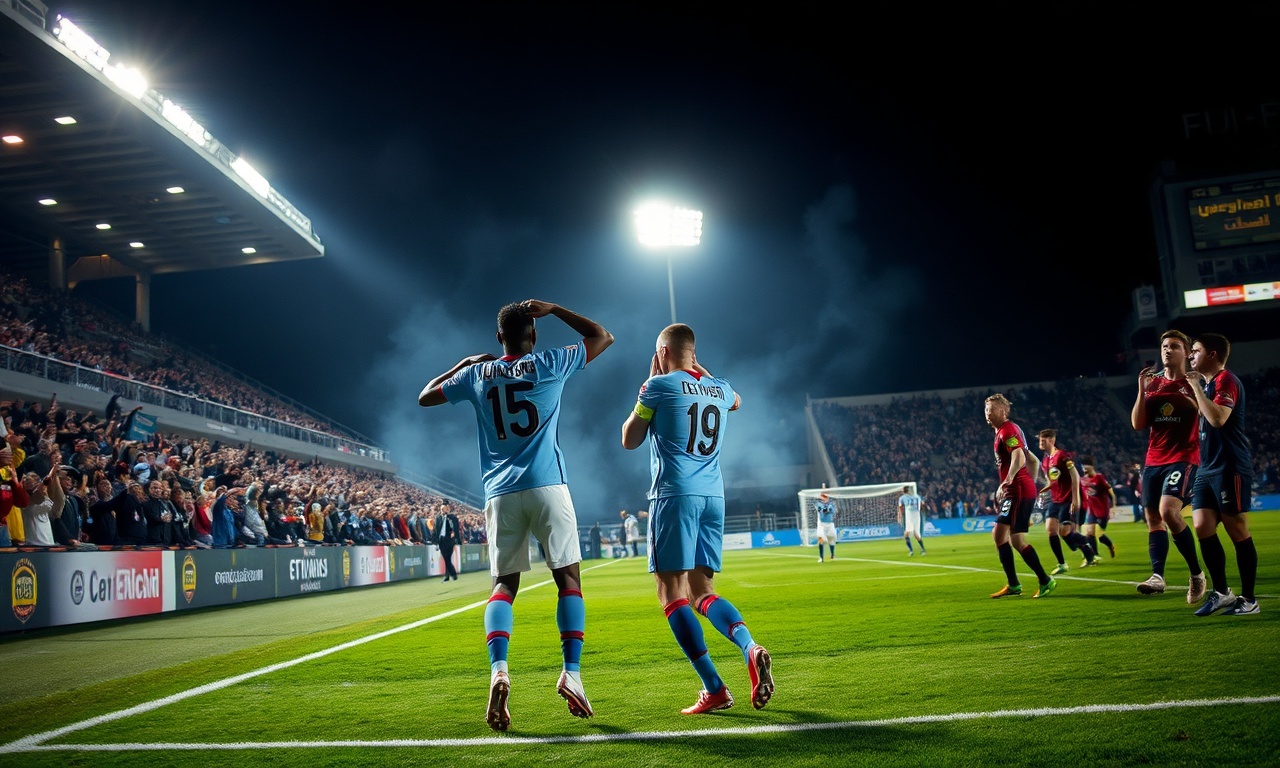
Detroit City FC pulled out a late winner to defeat the Tacoma Defiance — known on the pitch as Legion — 2-1 on Wednesday night, a result that kept the Detroit soccer side in the thick of the USL playoff chase and sent a surge of energy through the city’s growing football culture. The match’s defining moment came after Detroit weathered late pressure, eventually scoring in the closing minutes as Tacoma’s shape opened up.
The win was another example of how Detroit City FC’s home identity is built on persistence: compact defending, quick transitions, and an ability to keep attacking even as opponents push for a draw. For Detroit fans, the late goal turned what had been a competitive contest into a statement finish.
Late goal swings USL match as Legion concedes 2-1 defeat
From the opening whistle, both sides looked comfortable trading momentum. Legion, operating with a more controlled approach, managed stretches of possession and tested Detroit’s back line with timely runs into space. Detroit City FC responded by keeping the ball moving through midfield and pressing in bursts, particularly after winning second balls along the edges of the penalty area.
By the time the match tightened, the contest had the feel of a game where fine margins would decide outcomes. Detroit’s coaching staff emphasized maintaining structure under pressure, and players executed that plan as Legion pushed forward in search of an equalizer.
According to the USL Championship, league standings can tighten quickly as teams play multiple matches against quality opponents across the region. In that context, Wednesday’s 2-1 defeat for Legion mattered not only for bragging rights but for playoff positioning and points accumulation heading into the final stretch of the season.
Detroit’s breakthrough came late, when the team converted pressure into a decisive strike. As Legion committed players forward, Detroit found a lane to attack, and the late goal held up for the final margin.
Detroit soccer impact: more than three points
While the scoreboard read 2-1, the result carried a broader meaning for Detroit soccer beyond the immediate standings. Detroit City FC plays in a city that has seen steady interest in homegrown sports and community-centered athletics, and a winning performance helps reinforce attendance, local partnerships, and youth engagement tied to matchday programming.
City of Detroit officials have pointed to the role that sports and entertainment can play in neighborhood vitality. In recent years, the City of Detroit has emphasized connecting major events to local economic activity through planning efforts that consider both community benefits and impacts on infrastructure.
“Major events can drive visitors and create momentum for surrounding businesses when planning and partnerships are in place,” said a spokesperson from the City of Detroit’s economic development team, in commentary shared during the city’s broader approach to events and commerce. The exact wording can vary by program, but the core message has remained consistent: Detroit benefits when sports activity is linked to local outcomes.
Matchday effects are tangible. Restaurants and retailers near the stadium often see increased foot traffic, and rideshare and transit usage can spike around kickoff and halftime. Detroit City FC’s late-game winner also tends to extend the duration of fan activity, with spectators staying through the final whistle rather than leaving early after a goal or a weather delay.
Why the late goal mattered
In USL match play, late goals can be the difference between maintaining confidence and losing momentum. When Legion conceded late, it capped a sequence of efforts that had kept Detroit uncomfortable at times. For Detroit City FC, the ability to score after sustained pressure speaks to game management: staying calm, reading defensive reactions, and attacking with purpose even when the match feels stretched.
For Legion, the late concession likely raised questions that teams and coaches revisit quickly: whether the defensive line held its shape, how midfield positioning affected transition speed, and whether substitutions and tactical adjustments arrived early enough to prevent the moment that led to the winner.
According to ESPN match analysis principles commonly used across leagues, teams often concede late when fatigue shifts the timing of presses and causes miscommunication in marking assignments. In this match, the late goal appears to have followed a period where Legion pushed for an outcome, leaving Detroit with space to counter.
Background & data: Detroit soccer in a tightening league
The USL Championship has grown into a highly competitive environment where the margins between teams can be narrow, and a single 2-1 defeat can alter momentum for weeks. Detroit City FC’s season has demonstrated a consistent theme: the club’s identity is built on high engagement from supporters and a style of play that emphasizes both structure and intensity.
While match details come from clubs and official league records, broader context is shaped by how sports ecosystems function in major cities. Data from the U.S. Census Bureau has shown that metropolitan areas continue to evolve in population composition and household behavior, which can influence everything from transit demand to event attendance patterns.
In Detroit, those patterns matter for Detroit soccer because demand for local entertainment is shaped by how residents travel, where families spend time, and how communities connect to stadium districts. A consistent matchday turnout, strengthened by wins like Wednesday’s late finish, can support recurring revenue for local businesses and help maintain a stable rhythm for neighborhood commerce.
Impact on Detroit residents
Residents felt the match in everyday ways: traffic flow adjustments, evening business hours, and the visibility of fans moving through the city. Sports events can be a lift for small businesses, especially when local operators prepare for predictable spikes in demand.
Detroit City FC’s win also reinforces a sense of pride connected to Detroit’s expanding sports identity. For many families and young athletes, seeing a local club compete with intensity against quality opponents provides inspiration and a clear pathway for participation in community programs.
Even for residents who do not attend, results influence how communities discuss events and how local media covers Detroit soccer. A late goal that decides a tightly contested USL match tends to generate additional conversation in the days after the game, increasing the odds that fans will look toward the next fixture.
What happens next for Detroit City FC and Legion
Detroit City FC will carry momentum from the 2-1 result into the next USL match, but the club’s focus will quickly shift to maintaining structure and minimizing late-game vulnerability. For opponents like Legion, the next step is likely to analyze how pressure in the closing minutes was handled and adjust tactical spacing to protect against late transitions.
In the near term, expect coaches to look closely at the build-up to the late goal: how Detroit gained advantage, how Legion responded to shifting runners, and whether defensive positioning held steady as substitutions and stoppages altered the tempo.
For Detroit soccer supporters, the key takeaway is straightforward: Detroit City FC can win tight matches by finishing when moments open up. Wednesday’s late goal — and the final 2-1 defeat inflicted on Legion — underscores why the club is a factor in the USL season and why the city’s match nights remain a focal point for Detroit.