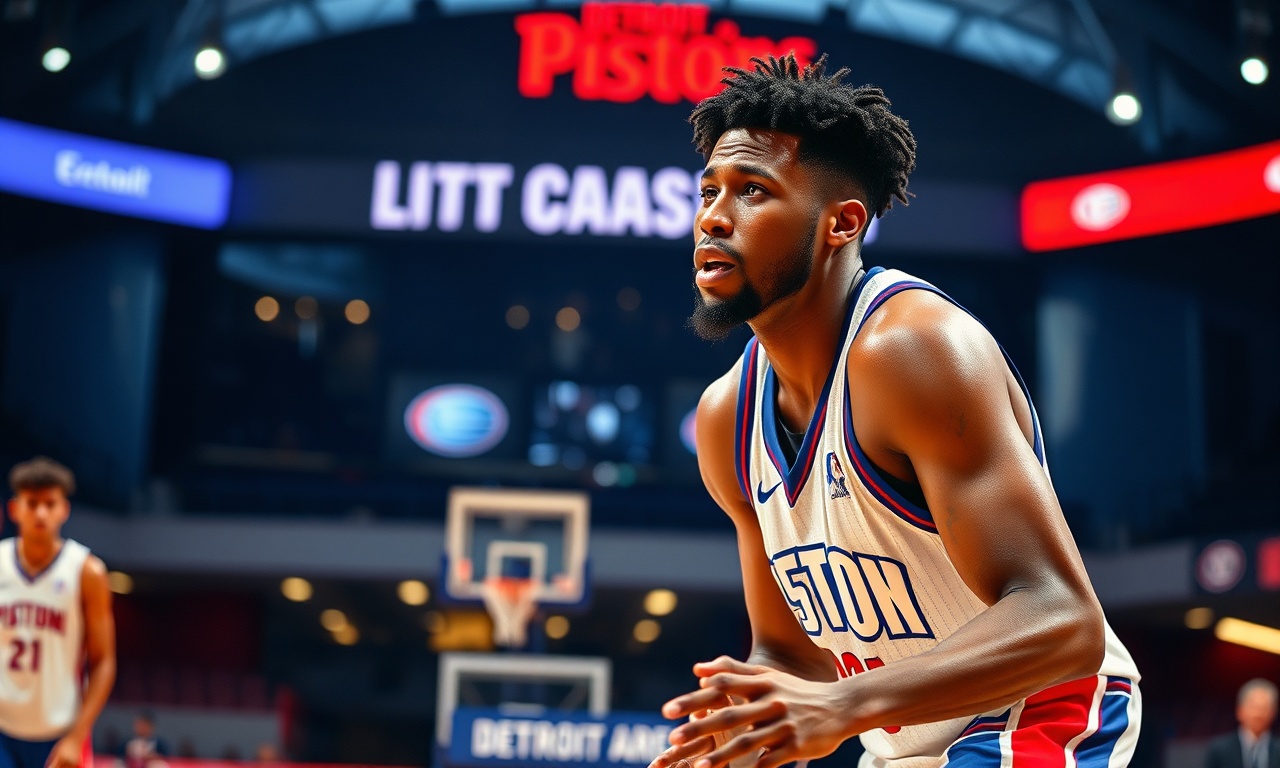
The Detroit Pistons have agreed to terms with forward Javonte Green, adding another option to their frontcourt as they reshape their rotation during NBA free agency. The signing marks a new chapter for Green, whose recent NBA stops have made him familiar to fans across the league looking for energy, perimeter defense, and role-ready play.
The move comes as Detroit continues building around its young core and experimenting with lineups meant to improve both defensive structure and second-unit scoring. For Pistons fans, the signing is a reminder that the franchise’s offseason decisions extend beyond the star market—into dependable depth players who can change the tone of games through hustle and matchups.
Main Section
According to an official Pistons transaction update published during the free-agency window, the team completed a Pistons roster move by bringing Green into the organization. Pistons personnel have emphasized during previous offseason media availability that depth and consistency are key to sustaining competitiveness across a long 82-game season. Green’s skill set—particularly his ability to guard multiple positions and provide physical minutes—fits that approach.
While the specifics of an NBA contract can vary based on the league’s reporting structure and team decisions, the basketball rationale is clearer: Detroit is looking for players who can execute in defined roles. Green has long been viewed as a coach’s type of player—someone who can absorb assignments quickly and compete on the defensive end without needing the ball in every possession.
“Free agency is where you create flexibility,” a longtime basketball executive familiar with roster construction said in a recent industry interview with a national NBA outlet, noting that teams often prioritize fit alongside availability. That sentiment mirrors how Detroit has approached roster building in recent seasons, balancing opportunity for younger players with reliable minutes from veterans.
Impact on Detroit Residents
On the court, the most immediate impact for Detroit residents is how the Pistons allocate playing time. New signings affect everything from nightly rotations to how fans experience games at Little Caesars Arena—particularly when role players earn their minutes through defense and hustle.
Off the court, Pistons signings can also influence local business activity. When a team enters free agency and builds anticipation, Detroit-area sports bars, restaurants, and event venues typically see increased foot traffic around game nights and fan viewing culture. In a metro where entertainment spending is a major part of the downtown economy, even modest changes in the roster can shift fan sentiment—making upcoming games feel more consequential.
According to data from the U.S. Census Bureau, household spending and leisure behavior can be sensitive to local economic conditions and major community events, including professional sports. While the signing itself won’t alter citywide economic indicators overnight, it’s part of a broader pattern: sports franchises help drive recurring demand for services that depend on regular attendance and fan engagement.
For Detroit’s basketball community—from youth leagues in the city to college programs and high school gyms—every Pistons roster move also sends a message. Players who build careers as role specialists model a pathway that emphasizes development, preparation, and defensive effort—values that resonate with coaches and families supporting the next generation.
Background & Data
Green’s arrival in Detroit follows a familiar NBA offseason blueprint: teams look for players who can stabilize lineups, cover defensive gaps, and offer reliable minutes when rotations get strained by injuries or matchup-heavy schedules. Detroit, in particular, has tended to evaluate how a player’s on-court behavior aligns with team defensive principles—communication, help positioning, and the ability to recover after switches.
Detroit basketball fans are accustomed to offseason speculation, but the strategic goal remains consistent: convert roster flexibility into game-to-game advantages. In the NBA’s salary and roster environment, that often includes signing players whose experience can accelerate team chemistry. Green’s track record as a defender who can play with intensity is relevant to Detroit’s broader effort to improve team identity.
It’s also worth noting that Pistons roster moves tend to land at the intersection of player development and local sports culture. In past seasons, Detroit has relied on the idea that younger players learn fastest when they’re surrounded by teammates who model professionalism. Green’s skill set suggests he may not need usage to matter—meaning he can contribute while younger teammates grow into larger responsibilities.
What Happens Next
With Javonte Green now in the fold, Detroit’s immediate focus will be training-camp integration and preseason lineup evaluation. The team will likely test matchups that allow Green to work as a rotational wing or as a situational defender depending on opponent personnel.
Expect the Pistons to use the early season schedule to map roles: where Green fits best on offense (cutting, spot-up opportunities, and transition hustle) and how frequently he can be trusted in late-game defensive assignments. That kind of clarity becomes especially important for teams trying to maintain consistent defensive effort while experimenting with lineup combinations.
For fans, the first real confirmation will come once preseason practices and early regular-season games establish how often Green closes and which lineups he supports. Detroit’s signings can look subtle on paper, but on the floor they often reveal themselves through small, repeated actions—extra effort rebounds, contesting shots without fouling, and making the defensive rotation that keeps the ball moving toward the offense.
As Detroit Pistons fans watch NBA free agency unfold, this signing offers a clear storyline: Detroit is prioritizing practical roster additions that can improve day-to-day execution. Javonte Green’s fit may not be the headline that defines a season, but it could be the kind of move that influences how many games swing because of defense, communication, and composure.