The Detroit Lions are betting that small roster moves can produce big on-field results, and early offseason reports suggest the team’s nickel-to-safety conversion approach is becoming a focal point for defensive back development. As the Lions shape their depth chart ahead of the regular season, the emphasis on building versatility across the secondary is being framed as a pathway to greater safety play and more resilient matchups against today’s pass-heavy NFL offenses.
For Detroit fans, the implication goes beyond football strategy. More consistent defensive coverage affects game outcomes, which can influence everything from local sports revenue to youth football interest in neighborhoods across Detroit and the surrounding region. That makes the Lions’ roster decisions part of a broader Detroit football story—one tied to how the team prepares, evaluates, and invests in player growth.
How a “nickel to safety conversion” fits the Lions’ plan
In modern NFL schemes, the nickel defense is often the most frequently used coverage package, especially against three-wide sets and spread formations. Converting a nickel defender into a safety role can keep the team flexible: the player can handle coverage responsibilities across the slot-to-deep phases, while also providing support against the run and leveraging speed for open-field tackling.
According to Football Outsiders, NFL offenses have increasingly emphasized passing volume and personnel groupings that force defenses to rotate secondary alignments more often than in prior eras. That strategic shift has made versatility valuable, particularly for teams seeking to align their roster with the demands of nickel-heavy football.
Lions beat reporting has also pointed to internal evaluations of which defensive backs can take on safety responsibilities—ranging from reading route concepts to communicating coverages at the back end. The “nickel to safety conversion” is not a one-size-fits-all switch; it typically requires refined technique, improved understanding of safety-zone responsibilities, and comfort adjusting to alignment changes from week to week.
Defensive back development and the roster ripple effect
Conversion plans can affect multiple roster spots at once. If a cornerback-type athlete grows into a safety role, it can reduce the need to carry a purely positional depth player, or it can make it easier to keep a more experienced veteran at one spot while developing at another. For a franchise managing cap constraints and competition, that kind of flexibility can be a quiet advantage.
General roster context matters here. The NFL’s regular-season roster size and practice-squad rules create a constant churn environment where teams attempt to maximize the number of players who can contribute in multiple defensive alignments. In other words, the Lions’ nickel to safety conversion isn’t just about a single player—it can reshape the team’s decision-making across the secondary.
At the league level, the NFL Players Association has highlighted in its collective bargaining materials that teams’ roster and practice-squad management are central to how players develop and earn roles. That framework helps explain why development-focused strategies—like converting a nickel defender’s skill set into safety responsibilities—are so common among teams aiming to create competition without relying exclusively on high-profile acquisitions.
What “safety position” skills require
While nickel defenders often excel in short-area coverage and pressing the route release, safeties handle a wider range of responsibilities. A safety must coordinate with the linebackers, read quarterback intentions at different depths, and react to run concepts that can shift the coverage picture. The conversion typically emphasizes:
- Back-end field vision for route depth and leverage angles
- Coverage communication to coordinate with cornerbacks and linebackers
- Run-fit fundamentals to fill gaps as the run game stresses the second level
- Ball production through reading windows in zone and responding to play-action
That skill set is why the Lions’ defensive back development efforts can be so visible in practice notes and early roster decisions, even when the team doesn’t publicly frame everything as a conversion strategy. The safety position is demanding, and the Lions’ willingness to develop players who can bridge roles signals an intent to build a secondary that can stay stable even when offensive lineups change.
Detroit impact: why this matters off the field
When a team invests in defensive continuity, fans feel it in the form of competitiveness and consistency—especially in the fourth quarter, when third downs and red-zone plays decide games. In Detroit, where football remains a cornerstone of local identity, on-field performance can also carry economic and social ripple effects.
According to data from the U.S. Department of Agriculture and other federal sources, household consumption patterns often reflect regional spending around major sports events, though exact estimates tied to any single team vary by year and location. Locally, Detroit-area restaurants, sports bars, and small businesses typically experience surges on game days. If Detroit’s defense improves, the odds of tighter, more meaningful late-season games increase—and that can translate into steadier demand for local hospitality.
There’s also a community development angle. Detroit youth football programs often look to current NFL role models to understand what skill sets are valued. As defensive back development strategies become part of the Lions’ public narrative—particularly through media attention and player interviews—local coaching staffs can incorporate more emphasis on safety fundamentals, tackling technique, and situational coverage reads for developing athletes.
And for the city’s sports ecosystem more broadly, successful player development strengthens the Lions’ brand and can affect attendance and engagement. Even when roster moves aren’t flashy, the knock-on effect is straightforward: more wins tend to keep fans engaged, and engaged fans help sustain the local culture that surrounds Detroit football.
Background & data: the league-wide push for versatility
The nickel to safety conversion reflects a broader NFL trend: defenses are increasingly structured around personnel flexibility rather than strict positional categories. Slot receivers, two-tight-end packages, and motion-heavy offenses force defenders to cover more space and switch responsibilities quickly.
Data from the NFL and league media research over recent seasons has repeatedly shown that passing remains a dominant driver of offensive play-calling. That reality increases the frequency of nickel and dime alignments, which, in turn, raises the value of players who can transition between short-zone coverages and deeper safety responsibilities.
While the Lions’ specific conversion plans are internal, the logic is measurable at the strategic level. For Detroit, that’s important because the Lions have often balanced scheme identity with roster-building pragmatism. Developing a defender who can play both nickel and safety functions can help the team stay competitive even when injuries or matchup changes occur.
NFL roster news: what to watch in training camp and preseason
As Detroit moves toward training camp and the evaluation period, the nickel to safety conversion storyline will likely show up in several observable ways:
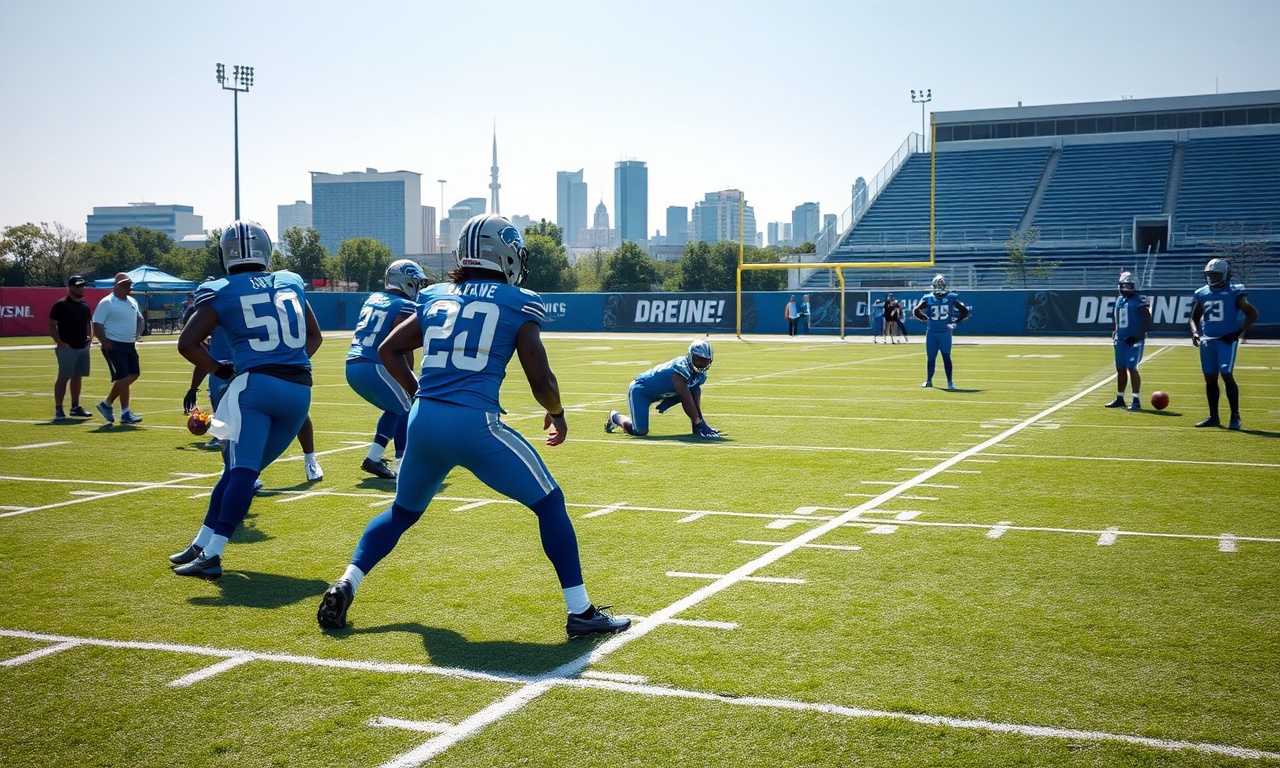
- Practice reps at the safety position: Coaches typically allocate reps during team and situational drills to verify communication and fit.
- Coverage assignments in nickel and dime packages: The Lions may test whether the converted defender can handle route depth and leverage without sacrificing assignment discipline.
- Special teams usage: Safety development often includes kickoff and punt coverage, where speed, angles, and open-field tackling matter.
- Depth chart flexibility: If the conversion gains traction, it can allow the Lions to carry a different combination of specialists and defensive backs.
Beat reporters and team analysts will also likely monitor the learning curve—particularly whether the defender can translate technique from slot-style coverage to safety-zone concepts. In many cases, conversions require months, not weeks. But the Lions’ decision to prioritize nickel-to-safety development suggests the organization believes the return on that investment can be substantial.
What happens next for Detroit’s defense
The Lions’ hope is that converting a nickel defender into a safety can produce a measurable upgrade: fewer coverage breakdowns, better matchups in the middle of the field, and more reliable tackling when plays escape the first level. If successful, the Detroit Lions could benefit from a secondary that’s both faster and more cohesive—an advantage when offenses attack with tempo and motion.
For Detroit residents, the practical outcome is simple: a defense that covers more effectively keeps games within reach and increases the probability of late-game stops. And as the Lions continue their defensive back development push, fans will be watching to see whether the nickel to safety conversion becomes a durable part of the team’s identity—not just a short-term experiment.