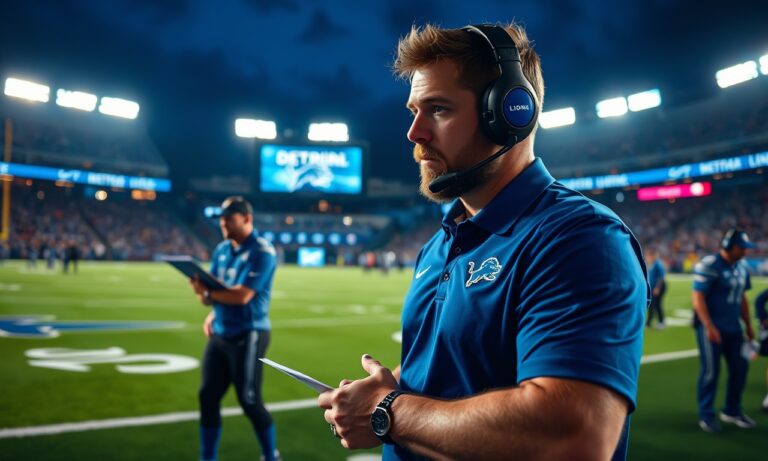
The Rams trade proposal market is heating up after reports of a Terrion Arnold release, with Detroit fans watching closely at how the ripple effects could alter the NFL’s cornerback landscape—including Detroit cornerback depth.
While no agreement has been finalized, the idea of Los Angeles targeting a proven defensive back underscores how quickly NFL teams adjust when roster churn changes the availability of talent. For Detroit residents, the most immediate connection is indirect: the Detroit Lions must still navigate their own secondary needs, and how contenders address cornerback gaps can influence player valuation and the timing of contract decisions across the league.
What the Rams trade proposal suggests after the Terrion Arnold release
According to ESPN, teams evaluate release and waiver windows not just for immediate upgrades, but for how a move might change their options at other positions. In that context, a Rams trade proposal centered on a cornerback solution reflects a common league pattern: when a player exits a crowded room, buyers act quickly to improve pass coverage before free agency and the trade deadline change the negotiating leverage.
Another way to understand the urgency is through roster management practices. According to the NFL’s Collective Bargaining Agreement and team roster rules published by the league, teams face defined deadlines and constraints that can limit flexibility once the regular season is underway. That can push clubs toward earlier-than-usual discussions when a roster spot opens up unexpectedly.
Cornerback solution becomes the focus as teams reassess matchups
Cornerback play has remained a premium skill across the NFL, particularly as offenses increasingly deploy multiple receiver sets and motion-heavy routes. When a recognizable defensive back becomes available, it can create a domino effect across teams’ plans for the season.
If the Rams pursue a trade or reclamation deal after a Terrion Arnold release, it signals a willingness to address coverage needs through mid-course roster adjustment rather than waiting for the draft or a slower free-agent cycle. For Detroit’s perspective, that matters because Detroit’s secondary must prepare for the same leaguewide realities: high-velocity passing attacks and weekly matchup pressures.
Impact on Detroit Residents: What Detroit Lions fans should watch
The Detroit Lions are not directly involved in Los Angeles’ transactions, but Detroit residents still feel the consequences in a few practical ways: contract timing, trade market pricing, and how rival teams allocate resources.
1) Trade market ripple effects
When a notable player is released—rather than retained or restructured—teams across the league gain new leverage. That can raise asking prices for other positions, including cornerbacks, because teams recognize that buyers may be trying to fill similar coverage needs. For Lions fans tracking NFL trade rumors, it’s worth noting that market dynamics often shift even when Detroit isn’t the moving party.
2) Detroit cornerback depth planning
Detroit’s roster decisions—who plays snaps, who develops in sub-packages, and who is kept on the active roster—are influenced by what other contenders do with their secondaries. If multiple teams scramble to improve cornerback rooms at the same time, it can compress options. That makes internal depth decisions more important, particularly for a team preparing for late-season divisional matchups.
3) Fan engagement and the local sports economy
Detroit is a sports market where roster headlines can drive ticket demand, merchandise sales, and media attention. According to the U.S. Bureau of Labor Statistics, consumer spending patterns across categories can shift with major local events and entertainment demand. In plain terms: when teams generate buzz, Detroit’s sports ecosystem—broadcast viewership, local bars and restaurants showing games, and fan retail—often sees a short-term lift.
Background & Data: Why releases change the NFL quickly
In the NFL, a Terrion Arnold release—assuming it reflects the team’s broader roster strategy—does not simply open a roster spot. It reorders the competitive landscape. Once a player is no longer attached to a specific contract structure, the player’s market becomes a question of fit: defensive scheme compatibility, health, special-teams potential, and how a player’s recent performances translate into a new environment.
At the same time, roster decisions follow seasonal rules that can affect timing. Team management and analysts often emphasize that roster construction balances present needs with salary flexibility. Data from the NFL Players Association and published league resources on player contracts and roster rules highlight how teams must plan around guaranteed money, caps, and availability. Even without public confirmation of any specific deal, the very existence of a Rams trade proposal demonstrates that teams monitor availability closely and make moves quickly when options appear.
What Happens Next for Detroit Lions and the NFC trade picture
For Detroit fans, the key question isn’t only whether the Rams make a move—it’s whether it pressures other teams, including the Lions, to accelerate their own coverage plans.
- Watch for confirmation of movement: NFL trade rumors can change hour by hour. Detroit residents should follow reputable transaction tracking and major sports reporting as details emerge.
- Monitor cornerback depth decisions: If teams are forced to reshuffle defensive backs quickly, Detroit may see more opportunities in-house—greater roles for current depth players or adjustments in defensive packages.
- Look at scheduling and matchup trends: Late-season matchups against NFC opponents can make cornerback options feel urgent. How quickly a team integrates a new player often determines whether the addition is a short-term fix or a long-range solution.
In the near term, the Rams trade proposal conversation after the Terrion Arnold release is a reminder that NFL roster building never pauses. Even in a Detroit newsroom, the story matters because it shapes the competitive environment where the Detroit Lions operate—and where Detroit cornerback depth plans can become more consequential when the market tightens.
Note: This article discusses publicly reported NFL roster developments and general roster-management context. No specific Detroit Lions transaction has been confirmed in connection with the reported Rams interest.