The landscape for small business Detroit is undergoing a significant structural shift as neighborhood-based commercial corridors see a surge in activity, outpacing some of the traditional retail hubs. Recent data from local economic development agencies suggests that the city’s focus on ‘neighborhood-first’ investment is beginning to yield measurable results for local entrepreneurs and residents alike.
The Current State of Small Business Detroit
According to the Detroit Economic Growth Corporation (DEGC), the city has seen a consistent rise in the number of brick-and-mortar openings over the last twenty-four months. Programs like Motor City Match have been instrumental in this trend, providing the necessary capital and technical assistance to bridge the gap between a business concept and a grand opening. To date, the program has awarded millions of dollars in grants, a significant portion of which has gone to minority-owned and women-owned enterprises. This intentional focus on equity is a hallmark of the modern small business Detroit ecosystem.
While the national economic climate has been marked by inflation and labor challenges, Detroit’s local economy has shown a unique form of resilience. Data from the Detroit Economic Growth Corporation indicates that the survival rate for businesses receiving local support is notably higher than those attempting to navigate the market independently. This support network, which includes organizations like TechTown Detroit and the Michigan Small Business Development Center, provides a safety net that is often cited as a primary reason for the city’s entrepreneurial boom.
Impact on Detroit Residents
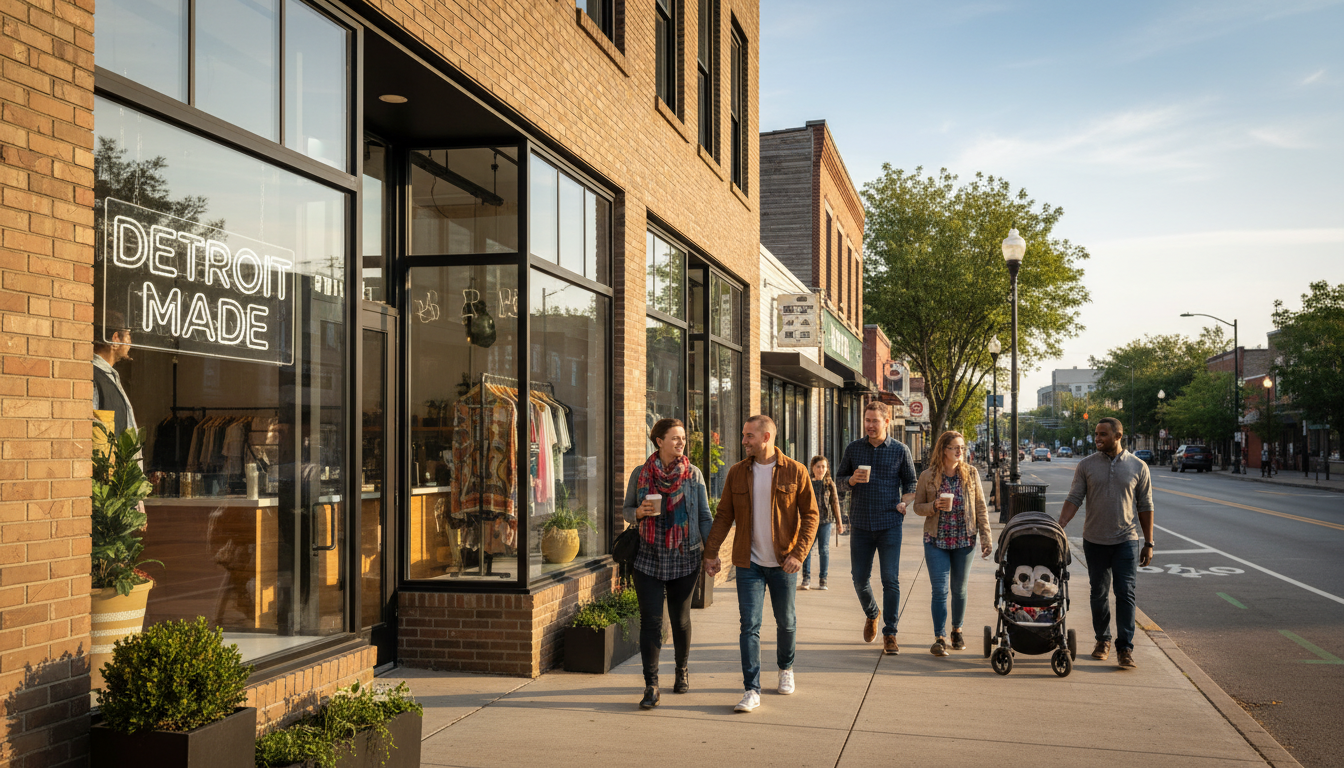
For the average Detroit resident, the health of the small business Detroit sector is more than just a statistical metric; it translates directly into quality of life. The revitalization of commercial strips like Livernois Avenue, also known as the ‘Avenue of Fashion,’ and the burgeoning districts in Southwest Detroit and Grandmont Rosedale, means that residents no longer have to leave city limits for essential services or high-quality dining.
Local business owners said that the increased foot traffic in these areas has fostered a greater sense of community safety and engagement. Furthermore, small businesses in Detroit are more likely to hire from within their own zip codes. According to the City of Detroit, these local establishments are the backbone of neighborhood employment, offering jobs that are accessible to residents who may face transportation barriers to larger corporate hubs in the suburbs.
Additionally, the ‘Buy Detroit’ procurement portal has enabled local businesses to compete for city contracts, ensuring that more municipal spending stays within the community. For more information on how community initiatives are shaping the city, readers can explore our coverage on Detroit neighborhood development efforts.
Background & Data on the Local Economy
The entrepreneurial surge is backed by hard numbers. Data from the U.S. Census Bureau and the Small Business Administration (SBA) reveals that Wayne County has seen a record number of new business applications since 2021. While not every application results in a storefront, the intent to start a business remains at an all-time high. In Detroit specifically, the focus has shifted from high-tech startups to service-oriented and retail businesses that serve the immediate needs of the population.
The DEGC’s 2023 annual report highlighted that over 80% of businesses supported through their initiatives are owned by Detroit residents. This is a critical pivot from previous decades where outside investment often overshadowed local ownership. Today, the small business Detroit movement is characterized by a ‘grow-from-within’ philosophy. This trend is also reflected in the real estate market, where small-scale commercial spaces are in high demand, often seeing faster occupancy rates than larger office towers downtown. You can find more details on these shifts in our report on the latest Detroit economic forecast.
The Role of Technical Assistance
Entrepreneurship in Detroit is no longer a solitary endeavor. The infrastructure for support includes ‘Business Service Providers’ (BSPs) who offer pro-bono or low-cost accounting, marketing, and legal services. Organizations like the Detroit Development Fund provide specialized lending products that traditional banks might deem too risky, particularly for businesses in underserved neighborhoods. This specialized financial ecosystem is essential for maintaining the momentum of small business Detroit growth.
What Happens Next
Looking toward the remainder of 2024 and 2025, the outlook for small business Detroit remains cautiously optimistic. The city is expected to roll out new phases of the ‘Motor City Match’ program, with an increased emphasis on sustainable business practices and digital integration. As consumer habits continue to evolve, the ability of local entrepreneurs to pivot toward e-commerce while maintaining a physical presence will be the next major hurdle.
City officials have indicated that upcoming infrastructure projects, including streetscape improvements in the East English Village and Jefferson-Chalmers areas, are designed specifically to support local retail growth. By widening sidewalks, improving lighting, and adding bike lanes, the city aims to make these corridors more hospitable for small business Detroit patrons. The integration of local entrepreneurship into the broader city planning strategy suggests that the current growth is not a temporary trend, but a foundational shift in Detroit’s economic identity.