The Detroit Red Wings are currently navigating one of their most significant stretches of play in recent memory, as a formidable winning streak has thrust the team back into the heart of the Eastern Conference playoff conversation. For a franchise that has spent several seasons in a disciplined rebuilding phase under General Manager Steve Yzerman, the current momentum represents a potential turning point for professional hockey in the city. The recent surge has not only impacted the NHL standings but has also reignited a dormant energy within the downtown sports corridor.
A Surge in the Standings
As the NHL regular season enters its final critical months, the Detroit Red Wings have managed to string together a series of victories that have significantly boosted their postseason probabilities. According to official NHL.com standings and performance data, the team’s ability to secure points against both divisional rivals and Western Conference opponents has placed them firmly in the hunt for a Wild Card spot. This resurgence follows a period of inconsistency that characterized much of the early winter months, proving that the roster’s depth is beginning to mature.
Key to this success has been the performance of core veterans and emerging stars alike. Captain Dylan Larkin continues to lead the offensive charge, while offseason acquisitions like Alex DeBrincat have provided the scoring punch that was often missing in previous campaigns. Reports from the Detroit Free Press indicate that the team’s defensive structure has also seen marked improvement, with goaltending becoming more reliable during high-pressure situations. The synergy between the veterans and the younger prospects has created a balanced lineup that is increasingly difficult for opponents to scout and contain.
Impact on Detroit Residents and Local Economy
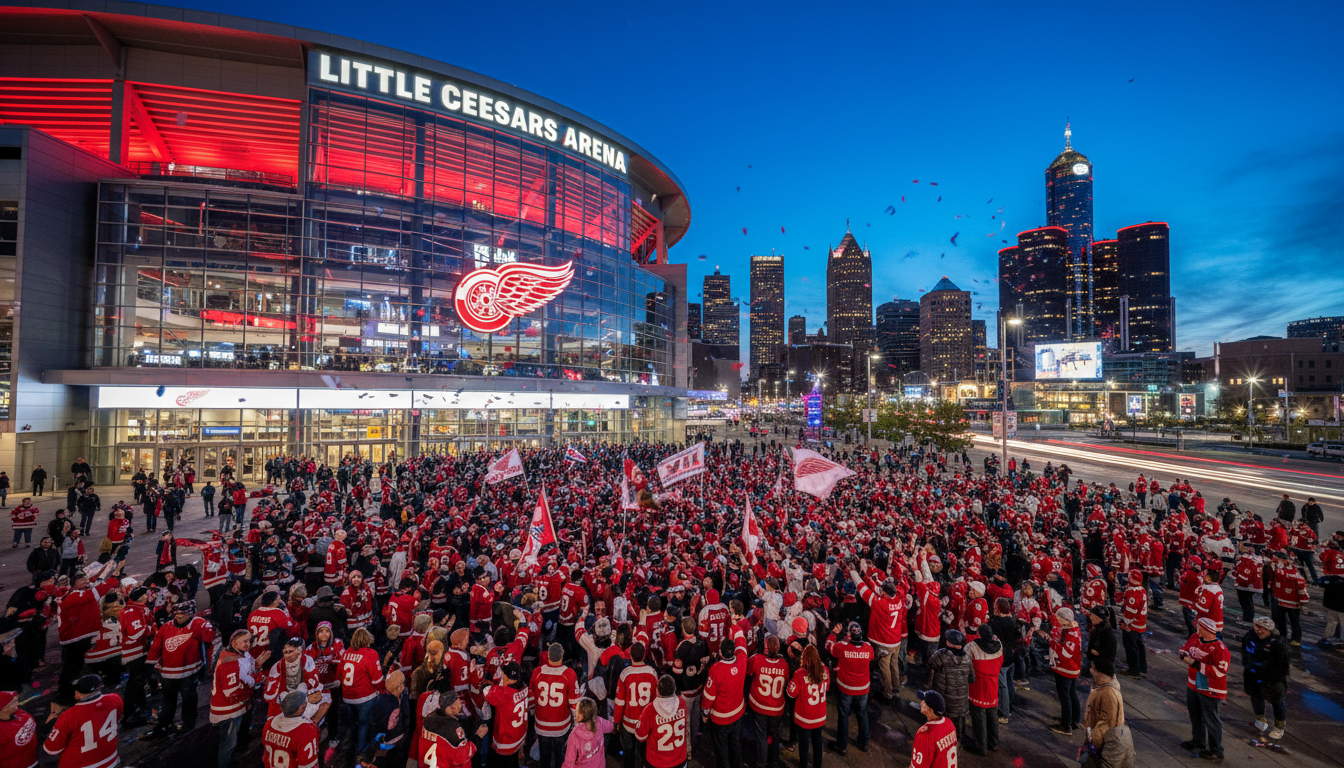
The success of the Detroit Red Wings extends far beyond the ice at Little Caesars Arena; it serves as a vital economic engine for the surrounding area. When the Red Wings are winning and a playoff berth is on the line, the city experiences a tangible shift in activity. Local business owners in the District Detroit area have reported a surge in foot traffic on game nights, with restaurants and bars seeing higher occupancy rates compared to the previous three seasons.
For Detroit residents, the return of competitive hockey provides a sense of community pride. The “Hockeytown” moniker is a deeply rooted part of the city’s identity, and the prospect of the first playoff game in years is driving ticket demand to new heights. “The atmosphere downtown changes when the Wings are in a playoff hunt,” noted a local hospitality manager. “It’s not just about the three hours of the game; it’s about the four hours before and the three hours after. It supports jobs and keeps the downtown corridor vibrant during the colder months.” This economic ripple effect is a crucial component of the local business environment, which relies heavily on the success of the city’s professional sports teams to maintain year-round momentum.
Background and Statistical Trends
The path to this moment has been long and calculated. Data from the U.S. Census Bureau and local economic development agencies often link the health of Detroit’s entertainment district to the performance of its anchor institutions. Since moving to Little Caesars Arena in 2017, the Red Wings have faced the challenge of maintaining fan engagement while undergoing a total roster overhaul. However, statistics from the current season show that home attendance has remained robust, and television viewership on regional sports networks is on an upward trajectory.
Strategically, the winning streak can be attributed to a shift in special teams efficiency. According to official NHL communications, the Red Wings’ power play has climbed into the top ten in the league during this recent stretch, a stark contrast to the bottom-tier ranking they held just twelve months ago. Additionally, the team’s ability to win one-goal games—a hallmark of playoff-bound squads—has improved by nearly 20% year-over-year. These metrics suggest that the current winning streak is not merely a product of luck, but rather a reflection of a more disciplined and talented roster. This evolution is a key topic in ongoing discussions regarding downtown development and the continued investment in the city’s sports infrastructure.
The Road Ahead: What Happens Next
While the recent winning streak has provided a necessary cushion, the road to the NHL playoffs remains fraught with challenges. The Eastern Conference is notoriously competitive, and several teams are separated by only a handful of points. The upcoming schedule will see the Red Wings face off against top-tier contenders, testing their resolve and their ability to maintain consistency under intense pressure. Management has remained cautious in their public outlook, emphasizing that the rebuild is an ongoing process, even as the postseason becomes a realistic goal.
For the fans and the city of Detroit, the next few weeks will be a period of high anticipation. Should the Red Wings clinch a playoff spot, it would mark the first time since 2016 that the team has participated in the postseason, ending the longest drought in the modern history of the franchise. Beyond the prestige of the tournament, the hosting of playoff games would provide a multimillion-dollar boost to the city’s hospitality and transportation sectors. As the team continues its push, the focus remains on one game at a time, but the goal of returning Detroit to the pinnacle of the hockey world has never felt more attainable.