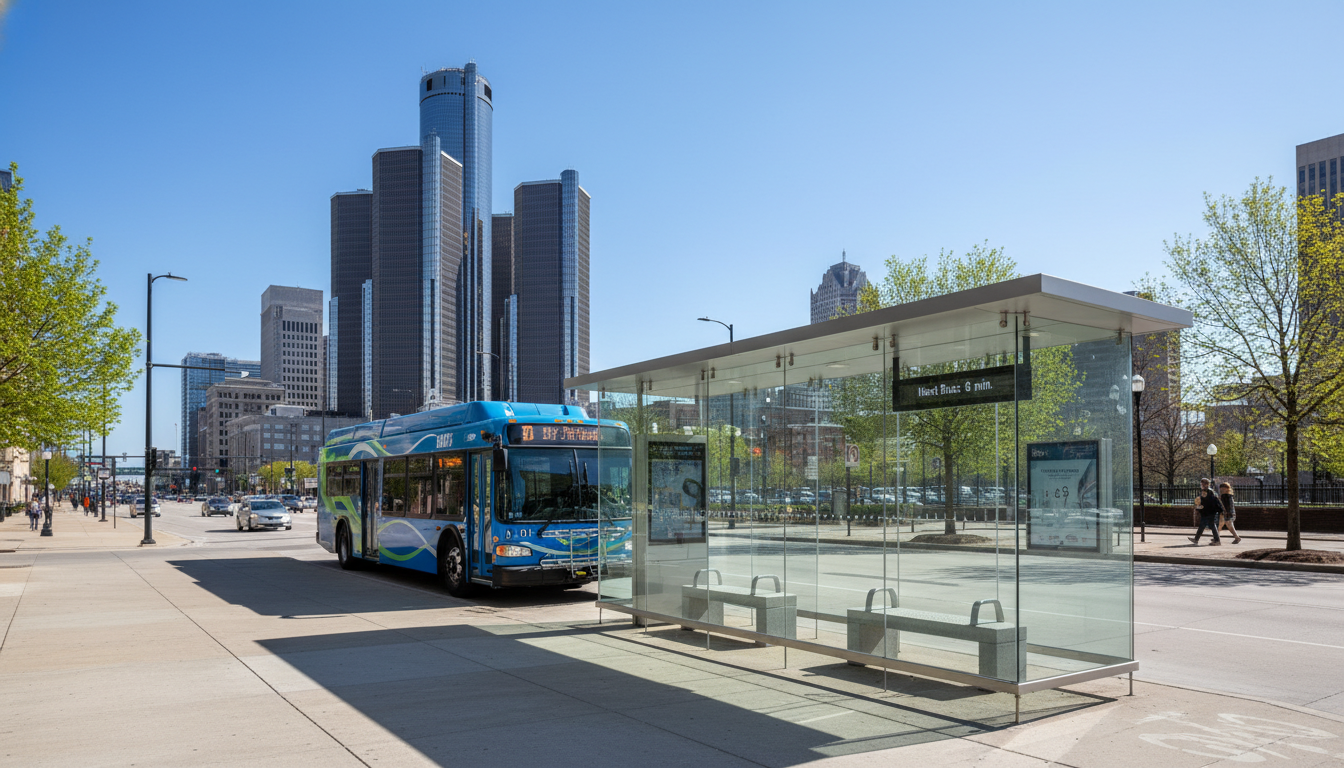
City officials and regional transit authorities have unveiled a comprehensive package of service expansions and infrastructure upgrades aimed at transforming the daily commute for thousands of residents. The announcement, a collaborative effort between the Detroit Department of Transportation (DDOT) and the Suburban Mobility Authority for Regional Transportation (SMART), marks one of the most significant investments in Detroit transport in recent years.
As the city continues its post-pandemic recovery, the demand for reliable, efficient, and interconnected metro transit has reached a critical point. The new initiatives are designed to address long-standing gaps in service, particularly for those living in underserved neighborhoods who rely on buses Detroit provides for employment, healthcare, and education.
Expanding the Reach of Detroit Transport
According to the City of Detroit, the center of the new plan involves the ‘DDOT Reimagined’ initiative, which focuses on increasing the frequency of high-traffic routes. Officials stated that starting this quarter, several key corridors—including Woodward, Gratiot, and Grand River—will see buses arriving every 15 minutes or less during peak hours. This move is intended to reduce wait times and prevent the overcrowding that has plagued the system during shift changes at major employment hubs.
“Our goal is to make Detroit transport a first-choice option rather than a last resort,” a spokesperson for DDOT noted during a press briefing at the Rosa Parks Transit Center. “By aligning our schedules with the needs of modern workers, we are fostering a more mobile and equitable city.”
In addition to frequency, the expansion includes the introduction of new ‘express’ regional routes managed by SMART. These routes are specifically designed to bridge the gap between the city center and the growing industrial and tech corridors in Macomb and Oakland counties. Data from the Southeast Michigan Council of Governments (SEMCOG) suggests that nearly 30% of Detroit households do not have access to a private vehicle, making these regional links vital for economic participation.
Improving Reliability for Daily Commuters
For the average Detroiter, the success of these improvements hinges on reliability. To support the expanded schedules, the city has secured over $25 million in federal grants for fleet modernization. This includes the purchase of new electric buses and the implementation of advanced real-time tracking technology. Riders will soon be able to access more accurate arrival data through an updated mobile app, reducing the uncertainty of waiting at bus stops during Michigan’s harsh winter months.
The infrastructure component also extends to the physical environment of the stops. The city has committed to installing 100 new heated shelters and improved lighting at high-volume intersections. These upgrades are a direct response to feedback from the Detroit neighborhood safety councils, which highlighted the need for better security and comfort for late-night commuters.
Economic Impact on Metro Detroit Neighborhoods
The overhaul of metro transit is not just about mobility; it is a significant driver of local economic development. Improved bus access has historically correlated with higher employment rates in urban centers. By connecting residents to jobs in the suburbs and vice versa, the transit authorities are effectively expanding the labor pool for regional employers.
Local business owners in the Livernois and McNichols areas have expressed optimism regarding the changes. “When the buses run on time and the stops are clean, more people come to the corridor to shop and eat,” said a representative from a local merchants association. The connectivity offered by the improved Detroit transport network is expected to increase foot traffic for small businesses that have struggled with the city’s car-centric layout.
Background and Data: The Transit Gap
Current statistics from the U.S. Census Bureau indicate that Detroit has one of the highest percentages of transit-dependent residents in the Midwest. Despite this, the region has historically trailed behind peers like Chicago or Minneapolis in transit funding per capita. The new announcements are seen as a corrective measure to decades of underinvestment.
Reporting from the Official Detroit Transit Portal shows that the integration of SMART and DDOT payment systems is also on the horizon. The ‘Dart’ regional pass system will be further promoted to allow seamless transfers between city and suburban lines without additional fares, a move that transit advocates say will save the average rider hundreds of dollars annually.
What Happens Next
While the immediate service increases are set to begin next month, the long-term vision includes the potential for Bus Rapid Transit (BRT) along Michigan Avenue. This would involve dedicated lanes and signal priority for buses, further insulating transit from the city’s notorious traffic congestion. This project is currently in the environmental review phase, with public hearings scheduled for later this year.
Residents are encouraged to participate in these sessions to ensure that the future of Detroit transport reflects the actual needs of the community. As the city prepares for these transitions, updates will be posted regularly on DetroitCityNews.com to keep the public informed of route changes and construction delays.
The path to a world-class transit system in Metro Detroit is long, but these latest announcements represent a firm commitment to moving the city forward. For the thousands of riders who board a bus every morning, these changes aren’t just policy—they are a promise of a more connected life.