As the first half of 2026 comes to a close, new data released by the Detroit Police Department (DPD) and the City of Detroit Open Data Portal suggests that the city is maintaining a steady, albeit complex, trajectory in its public safety efforts. The Detroit crime rate 2026 figures indicate a continued focus on reducing violent crime, specifically non-fatal shootings and homicides, which have seen incremental declines over the past 36 months. However, while city-wide statistics show improvement, the safety landscape remains nuanced across Detroit’s diverse neighborhoods.
Current Detroit Safety Statistics and Trends
According to recent reports from the City of Detroit, violent crime across the municipality has decreased by approximately 4.8% compared to the same period in 2025. This downward trend is attributed largely to the expansion of the "One Detroit" violence reduction partnership, which involves local, state, and federal law enforcement agencies focusing on high-risk individuals and areas. Data from the Michigan State Police indicates that professionalized policing and community-led intervention programs are starting to yield measurable results in categories such as aggravated assault and robbery.
Property crime, however, remains a persistent challenge for the administration. While the Detroit safety statistics for 2026 show a stabilization in residential burglaries, motor vehicle thefts continue to fluctuate. Law enforcement officials have noted that while the city has moved away from the peak levels seen in the early 2020s, the concentration of auto-related crimes in specific precincts remains a primary concern for the DPD’s secondary response teams.
Safety in Detroit Neighborhoods: A Geographic Breakdown
When residents and potential investors ask, "is Detroit safe?", the answer often depends on geography. In 2026, the divergence between the urban core and outlying residential districts remains a focal point of public discourse. Downtown and Midtown continue to report some of the lowest crime rates per capita in the city, bolstered by high-density foot traffic and private security partnerships. These areas have benefited from significant Downtown Detroit development projects that have increased street-level activity and lighting.
Conversely, neighborhoods such as Cody Rouge and Osborn have seen more moderate improvements. While the crime in Detroit neighborhoods like these has historically been higher, 2026 has seen the introduction of more intensive "Neighborhood Safety Force" patrols. These city-funded civilian groups work alongside DPD to provide a non-armed presence, which community leaders say has helped de-escalate potential conflicts before they turn violent. Residents in the University District and Grandmont Rosedale continue to report high levels of perceived safety, supported by active neighborhood associations and consistent police communication.
Technology and the Role of Project Green Light
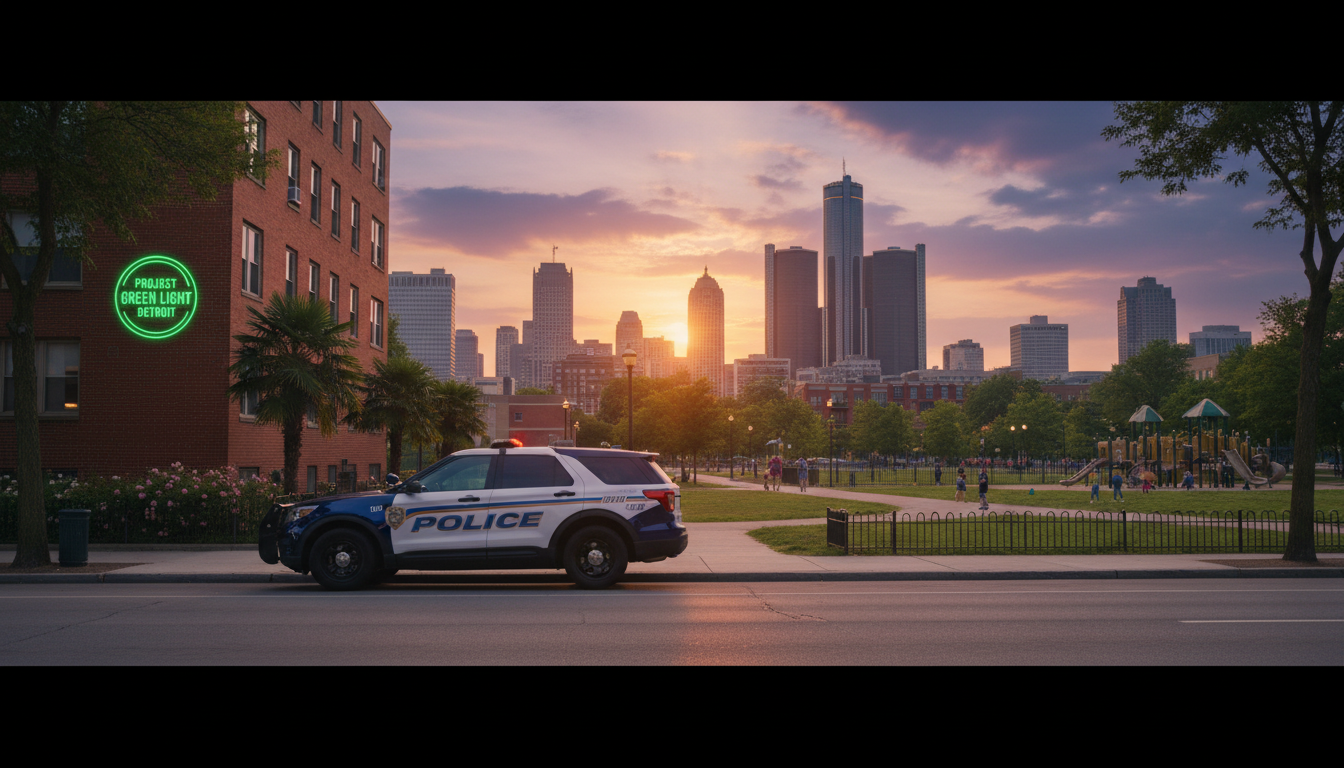
A significant factor in the Detroit crime rate 2026 metrics is the continued reliance on surveillance technology. Project Green Light, Detroit’s flagship real-time monitoring program, now encompasses over 950 local businesses, including gas stations, liquor stores, and residential complexes. According to a recent audit by the University of Michigan’s criminal justice department, businesses enrolled in the program reported a 12% faster police response time than non-enrolled establishments during the first quarter of 2026.
While the program is praised by some for its deterrent effect, it remains a subject of debate regarding privacy and equitable policing. "The data shows that technology is a force multiplier for our officers," a DPD spokesperson stated during a recent city council hearing. "Our goal for the remainder of 2026 is to integrate more AI-driven analytics to predict crime hotspots before they emerge, rather than just reacting to calls."
Impact on Detroit Residents and Local Business
The shifting safety dynamics have a direct impact on the daily lives of Detroiters. Improved safety statistics in many areas have contributed to a stabilization in the Detroit housing market trends, as lower crime rates often correlate with increased property values and lower insurance premiums for homeowners. For local business owners, particularly those in the retail sector, the reduction in violent incidents has led to increased evening foot traffic and longer operating hours.
However, the psychological impact of historical crime levels still lingers. Many residents argue that while the numbers look better on paper, the presence of "quality of life" crimes—such as illegal dumping, drag racing, and noise violations—still affects their sense of security. The City of Detroit has acknowledged these concerns, shifting more resources toward the "Detroit Rewards" program, which incentivizes citizens to report non-violent infractions that degrade neighborhood morale.
Looking Ahead: The Future of Public Safety in Detroit
As Detroit moves toward 2027, the Mayor’s Office has proposed a budget increase for the Department of Neighborhoods to further support community-based violence interruption. The strategy involves hiring more "Violence Interrupters"—individuals with deep ties to specific blocks who can mediate disputes among youth and gangs. This shift toward a holistic approach, combining traditional law enforcement with social services, is expected to be the cornerstone of Detroit’s safety policy for the next decade.
According to official reports from the Detroit Police Department, the city is on track to end 2026 with its lowest homicide rate in over fifty years if current trends hold. While the road to comprehensive public safety is long, the 2026 data provides a cautiously optimistic outlook for the city’s residents and stakeholders alike. Ongoing vigilance, community participation, and transparent data reporting will remain essential in ensuring that the progress made in 2026 is not lost in the years to come.