In the halls of Oregon’s largest municipality, Portland politics have reached a fever pitch as the city government grapples with a contentious budget debate. For observers at DetroitCityNews.com, the situation mirrors many of the financial hurdles Detroit faced during its own restructuring years, offering a stark look at how local governments balance public safety with social welfare. As Portland prepares for a historic transition in its governing structure, the fight over how to allocate billions in public funds has exposed deep ideological rifts within the Pacific Northwest hub.
The Core of the Portland Budget Debate
The current fiscal year discussions in Portland are not merely about numbers on a spreadsheet; they represent a fundamental disagreement over the city’s future direction. According to the City of Portland’s City Budget Office, the proposed $8.2 billion budget for the 2024-2025 fiscal year must account for a significant cooling of tax revenues and the expiration of one-time federal pandemic relief funds. These factors have forced local officials to make difficult choices regarding program cuts and service prioritizations.
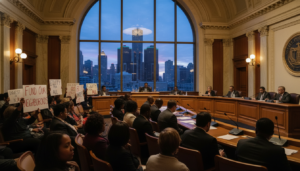
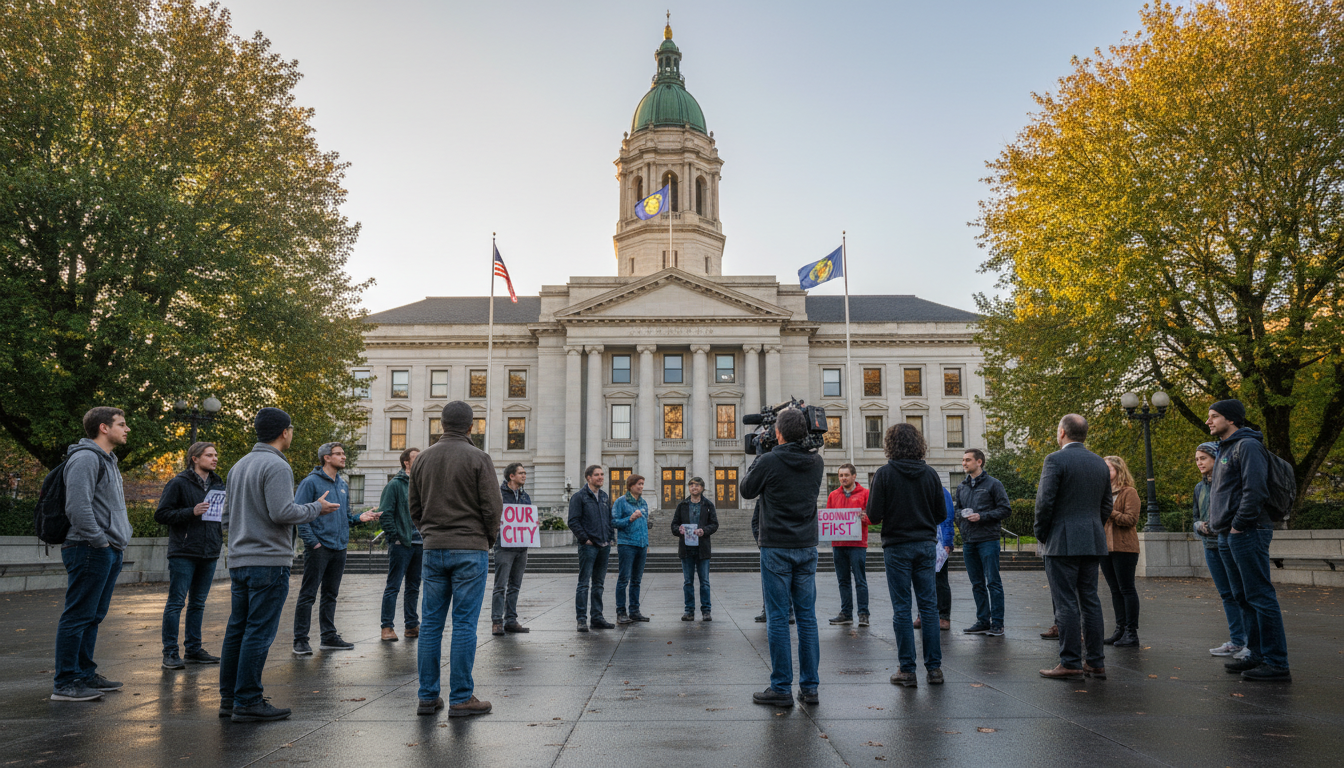
Central to the tension is the funding of the Portland Street Response (PSR), a program that dispatches mental health professionals instead of police to non-violent calls. While highly popular among community advocates, the program has faced scrutiny from some members of the local government who argue that traditional public safety resources, specifically the Portland Police Bureau, require more robust support to combat rising retail theft and public drug use. This tug-of-war over city funding has become a lightning rod in Portland politics, with protesters frequently appearing at City Hall to demand the protection of social services.
Impact on Local Residents and National Urban Comparisons
For the residents of Portland, the results of this budget debate will dictate the visibility of police on the streets, the cleanliness of downtown corridors, and the availability of emergency housing. Data from the U.S. Census Bureau suggests that Portland, much like Detroit, has seen shifts in its downtown occupancy and tax base, making the efficient use of local government funds more critical than ever. When public funds are diverted from neighborhood-level programs to central administrative costs, the impact is felt most acutely by marginalized communities.
For Detroiters, Portland’s struggle offers a familiar narrative. Just as Detroit has had to meticulously manage its financial recovery and ARPA fund allocations, Portland is now learning the difficulty of maintaining social safety nets when federal lifelines vanish. The debate serves as a reminder that municipal stability is fragile and requires a consensus that is currently missing in the Oregon capital.
Structural Changes and Fiscal Responsibility
Adding another layer of complexity to the fiscal landscape is Portland’s impending transition to a new form of government. In 2022, voters approved a charter reform that will expand the City Council from five to twelve members and shift the city to a geographic district-based system. This administrative overhaul is expected to cost millions, leading many to question if the timing is appropriate given the current budget constraints.
According to reports from the Oregon Secretary of State’s office, the administrative costs associated with this transition are significant. Local government critics argue that while representation is important, the focus should remain on the “core services” of trash collection, road maintenance, and public safety. This sentiment echoes many of the discussions seen in local urban development strategies in Detroit, where the balance between administrative growth and street-level results is always under the microscope.
Background & Economic Data
The economic backdrop of the Portland budget debate is defined by a stagnant commercial real estate market. The City of Portland’s revenue forecasts indicate that business license tax collections have leveled off, a trend seen in many major American cities as remote work persists. This has created a “scissors effect” where the cost of providing services is rising due to inflation, while the revenue to pay for them is flatlining.
A recent analysis from the Multnomah County Chair’s office highlighted that the intersection of homelessness and the fentanyl crisis has placed an unprecedented strain on the public health budget. Despite this, the competition for city funding remains fierce, as the police bureau continues to advocate for higher recruitment bonuses to fill hundreds of vacant positions. The tension between “reimagining” public safety and returning to traditional policing methods is perhaps the most defining feature of current Portland politics.
What Happens Next for Oregon’s Largest City
The final approval of the budget usually occurs in late June, following a series of public hearings and amendments. However, the political fallout is likely to last much longer. As Portland navigates its largest political shift in a century, the decisions made today regarding city funding will set the stage for the new 12-member council that takes office in January 2025.
Observers of municipal finance, including experts following the official City of Portland Budget documents, suggest that the city may need to consider new revenue streams or more aggressive consolidation of services in the coming years. For cities like Detroit, which have walked the path of fiscal insolvency and returned to stability, the Oregon situation provides a valuable case study in the importance of early intervention and community-led budgeting. Whether Portland can find a middle ground between its progressive aspirations and its fiscal realities remains the most pressing question for its local government.