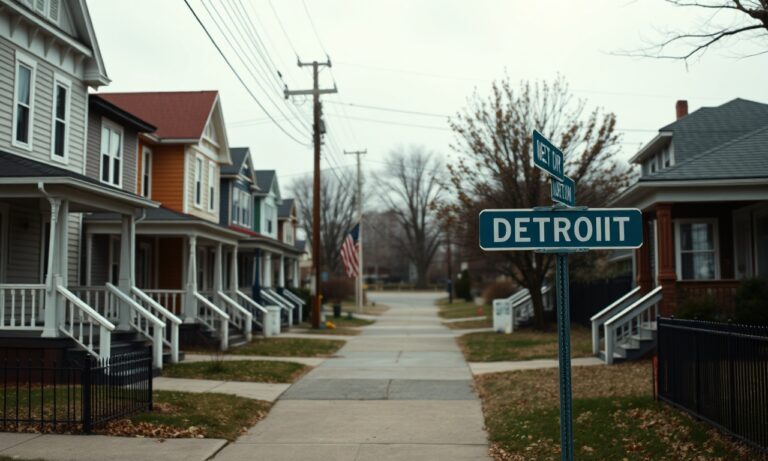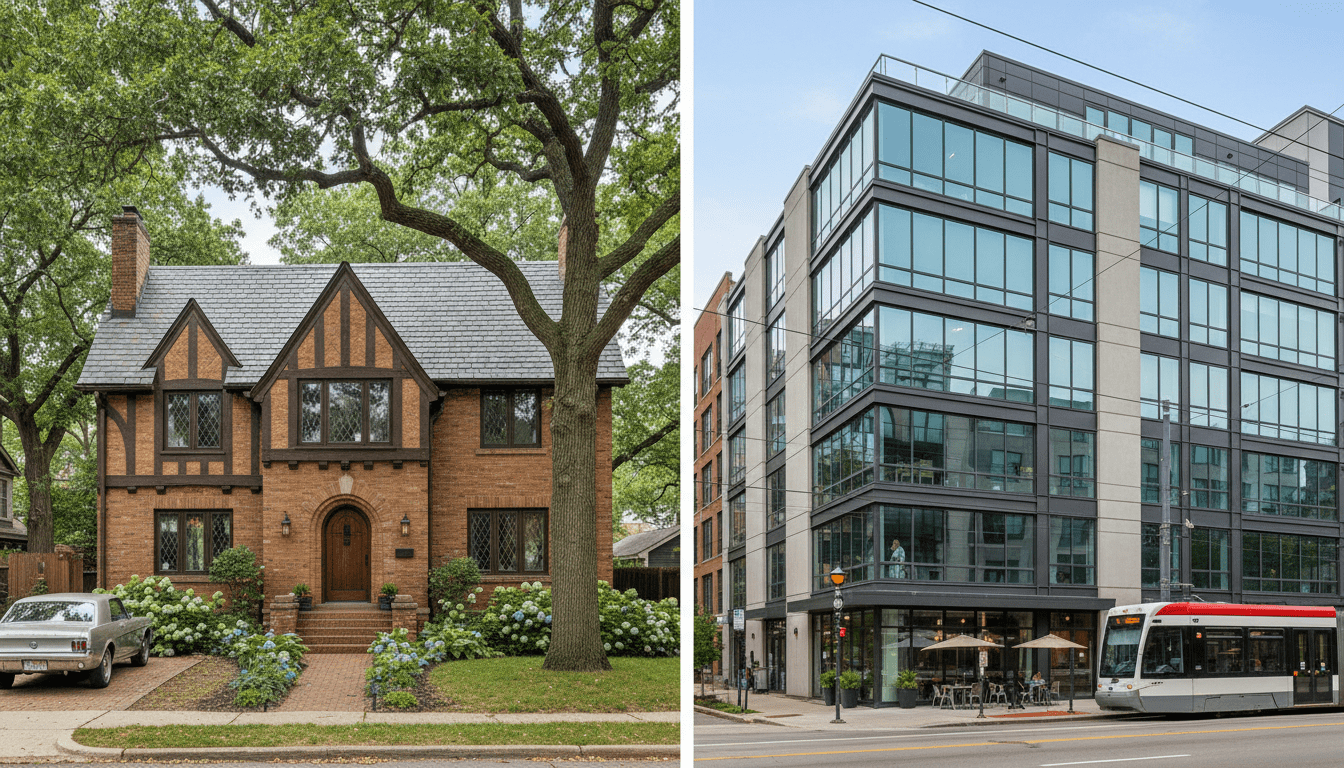
For decades, Detroit has been known as a city of homeowners, boasting some of the most affordable real estate in a major metropolitan area. However, the shifting economic landscape of 2024 has complicated the traditional American Dream for many residents. As interest rates remain elevated and property values in key neighborhoods continue to climb, the decision between renting vs. buying in Detroit has become increasingly complex.
While the national narrative often pushes homeownership as the ultimate goal, local market nuances in Detroit tell a different story. From the booming rental developments in Midtown to the stabilizing single-family home prices in neighborhoods like Bagley and East English Village, residents are weighing immediate costs against long-term equity.
The Current State of Detroit Real Estate
The Detroit housing market has shown resilience, but it is not immune to national trends. According to recent data from Redfin, the median sale price for homes in Detroit has seen a steady year-over-year increase, hovering around the $75,000 to $85,000 mark for the city overall, though move-in ready homes in stabilized neighborhoods often trade significantly higher, frequently exceeding $200,000.
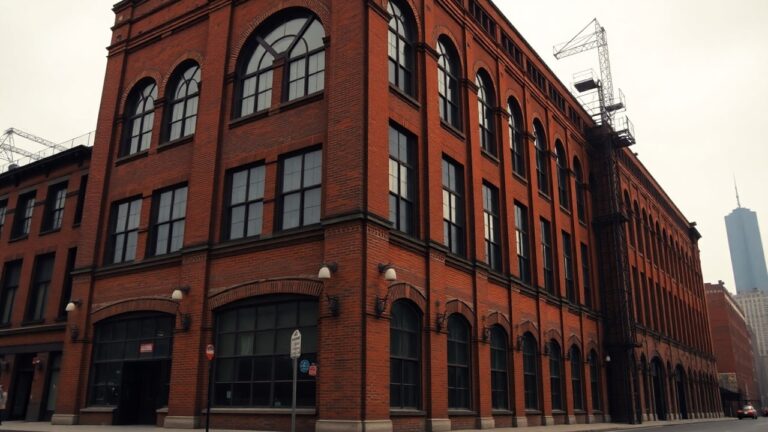
Conversely, the rental market has seen an influx of supply, particularly in the greater downtown area. This surge in apartment construction has helped stabilize rental rates in some pockets, though affordability remains a pressing concern for long-time residents.
“The gap between the monthly cost of owning and renting is narrowing, but the entry barrier to ownership remains the down payment and the condition of the housing stock,” noted a representative from a local housing advocacy group during a recent town hall meeting. “In Detroit, buying a home often means buying a renovation project, which changes the financial calculus significantly compared to renting a turnkey apartment.”
The Cost of Buying: Interest Rates and Inventory
When analyzing renting vs. buying in Detroit, mortgage rates are the primary headwind for buyers. With rates fluctuating between 6% and 7%, the purchasing power of the average Detroiter has diminished compared to two years ago.
Furthermore, inventory levels for quality, move-in-ready homes remain tight. While the Detroit Land Bank Authority continues to auction properties, these homes typically require tens of thousands of dollars in repairs—cash that many first-time buyers do not have on hand. For those looking at Detroit housing market trends, it is clear that the “hidden costs” of ownership—taxes, insurance, and maintenance—are critical factors.
“A $100,000 mortgage is affordable for many, but when you add in Detroit’s property tax rates and the cost of insuring an older home, the monthly payment can rival rent in a luxury building,” explained a local real estate broker who operates in the University District.
The Case for Renting: Flexibility Amidst Uncertainty
For many residents, renting currently offers a shield against market volatility and unexpected repair bills. In neighborhoods like Corktown and New Center, new developments are offering incentives to attract tenants, including waived application fees or free parking, making the upfront cost of renting significantly lower than buying.
Renting also provides flexibility for professionals who may not be ready to commit to a specific neighborhood for the next five to seven years. With the city’s employment landscape evolving, particularly with new tech hubs and the transition to electric vehicles affecting local economic stability, mobility is a valuable asset.
Impact on Detroit Residents
The choice between tenure types has profound implications for the wealth gap in the city. Homeownership has historically been the primary vehicle for generational wealth building among Black families in Detroit. When residents are priced out of buying, they miss out on the appreciation gains seen during the city’s revitalization efforts.
Long-term renters, however, face the risk of displacement. As property values rise, landlords often increase rents to match market rates or sell properties to developers. This dynamic has been particularly visible in the Cass Corridor, where legacy residents have faced pressure from rising lease costs.
Data from the U.S. Census Bureau indicates that while Detroit’s homeownership rate remains higher than many peer cities, there has been a slight uptick in renter households over the last decade, reflecting both economic barriers and lifestyle shifts among younger generations.
Local Programs and Assistance
To tip the scale back toward ownership, local government and non-profits have launched aggressive support systems. The Detroit Down Payment Assistance Program provides qualifying residents with grants to cover upfront costs, making the purchase equation more favorable.
According to the City of Detroit Housing and Revitalization Department, these programs are designed to help renters transition into homeowners, stabilizing neighborhoods and fostering community investment. For those eligible, these grants can effectively neutralize the high-interest rate environment by reducing the principal loan amount.
What Happens Next?
As 2024 progresses, real estate analysts expect the market to normalize slightly. If interest rates dip, a surge of buyers is expected to enter the market, potentially driving prices up further due to low inventory. For now, the decision regarding renting vs. buying in Detroit depends largely on cash reserves. Those with the capital to handle renovations and down payments stand to gain equity in a rising market, while those seeking predictability and lower upfront costs may find the rental market the safer harbor in the current economic climate.