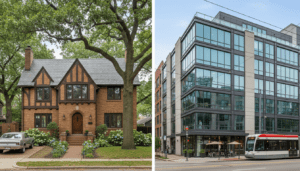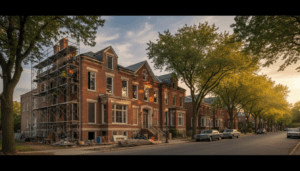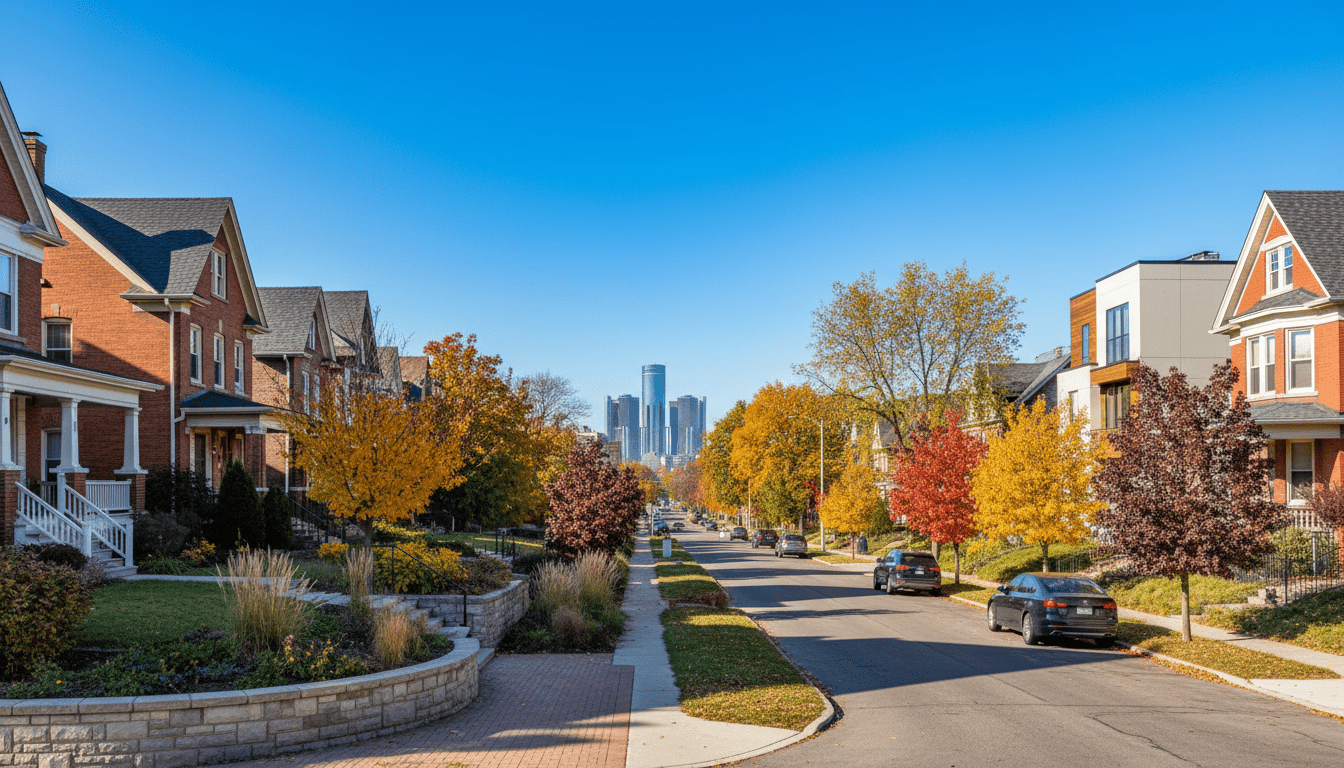
As the City of Detroit continues its trajectory of economic revitalization, the question of where to live in Detroit has become increasingly complex for prospective homebuyers and renters alike. The 2024 housing landscape offers a starkly different picture than even five years ago, with investment spreading beyond the greater downtown area into historic neighborhoods and emerging residential corridors.
Recent data indicates that while inventory remains tight in premium districts, strategic city initiatives are opening new opportunities in areas previously overlooked by developers. For new residents and shifting locals, the decision now hinges on a balance between lifestyle amenities, commute times, and long-term property value appreciation.
The ‘Michigan Central’ Effect: Corktown and Southwest
The most significant catalyst in the current real estate market remains the reopening of Ford Motor Company’s Michigan Central Station. Real estate analysts have noted a ripple effect extending outward from Corktown into North Corktown and Southwest Detroit.
“The demand for housing in Corktown has historically outpaced supply, but the completion of the station has solidified the area as a primary hub for tech and mobility workers,” said a representative from a local housing advocacy group. Prices in Corktown reflect this surge, with listing prices often commanding a premium compared to city averages.
However, adjacent neighborhoods in Southwest Detroit, particularly Hubbard Richard and Vernor Highway corridors, are seeing increased attention. These areas offer proximity to the new innovation district while maintaining a distinct cultural identity and, in some cases, more accessible price points. For those asking where to live in Detroit for proximity to major employment hubs without the downtown price tag, Southwest has become a leading answer.
Historic Charm Meets Modern Value: The Northwest Corridor
While downtown and Midtown capture headlines for high-rise developments, the city’s stabilizing middle class is increasingly looking toward the historic neighborhoods of Northwest Detroit. Areas such as the University District, Bagley, and Sherwood Forest are reporting consistent occupancy rates and steady property value growth.
According to data from the Detroit Future City think tank, neighborhood stability is heavily linked to the density of owner-occupied homes. The Northwest corridor boasts some of the highest homeownership rates in the city, fostering strong block clubs and community policing efforts.
The Live6 Alliance has also been instrumental in revitalizing the commercial corridors near the University of Detroit Mercy, making neighborhoods like Fitzgerald more attractive to buyers seeking walkable amenities. The shift suggests that homebuyers are prioritizing community fabric and architectural character over the sheer proximity to the Central Business District.
The Rise of ‘Middle Neighborhoods’
A crucial development in 2024 is the emergence of what urban planners call “middle neighborhoods”—areas that are neither distressed nor fully gentrified. Neighborhoods like East English Village and Morningside on the east side are becoming focal points for those deciding where to live in Detroit.
These areas have benefited significantly from the Strategic Neighborhood Fund (SNF), a partnership between the City of Detroit and private donors. Improvements in streetscapes, parks, and commercial storefronts have made these districts viable alternatives to the suburbs.
“We are seeing a demographic shift where young families are willing to invest in homes in East English Village because the housing stock is solid and the price-to-value ratio is favorable,” noted a local real estate broker during a recent roundtable on Detroit development updates.
Impact on Detroit Residents
The shifting desirability of these neighborhoods brings complex implications for long-time Detroiters. As property values rise, so do property tax assessments, leading to concerns regarding displacement in rapidly appreciating zones like North End and Islandview.
The City of Detroit has implemented several programs, such as the Hope Starts Here initiative and property tax exemptions for qualifying legacy residents, to mitigate these pressures. However, the tension between welcoming new investment and protecting incumbent residents remains a central topic of discussion at City Council meetings.
For existing residents, the influx of new neighbors often brings improved city services and retail options, but it also necessitates vigilance regarding affordable housing preservation. The administration has emphasized that new multi-family developments receiving tax abatements must set aside a percentage of units for affordable housing, a policy designed to keep neighborhoods economically diverse.
Background & Data: Rental vs. Ownership Trends
The rental market has seen a divergence from the ownership market. While single-family home prices have risen, a surge in apartment construction in Midtown and along the Riverfront has helped stabilize rental rates in those specific pockets, though they remain high relative to regional incomes.
- Median Sale Price: Continued year-over-year growth, particularly in designated historic districts.
- Rental Inventory: A projected increase of 2,000+ units coming online in late 2024 is expected to absorb some demand.
- Commuter Trends: With hybrid work remaining common, proximity to QLINE and bus routes has become a secondary factor compared to lot size and neighborhood safety.
What Happens Next
Looking ahead to the remainder of 2024 and into 2025, the focus on where to live in Detroit is likely to expand further into the neighborhoods. As the Joe Louis Greenway continues construction, property interest along that loop is expected to spike, potentially turning industrial-adjacent zones into residential hotspots.
Prospective residents are advised to monitor city planning announcements regarding commercial corridor investments, as these infrastructure projects historically precede residential market heat. The narrative of Detroit housing is no longer just about downtown recovery; it is about the comprehensive stabilization of its diverse neighborhoods.