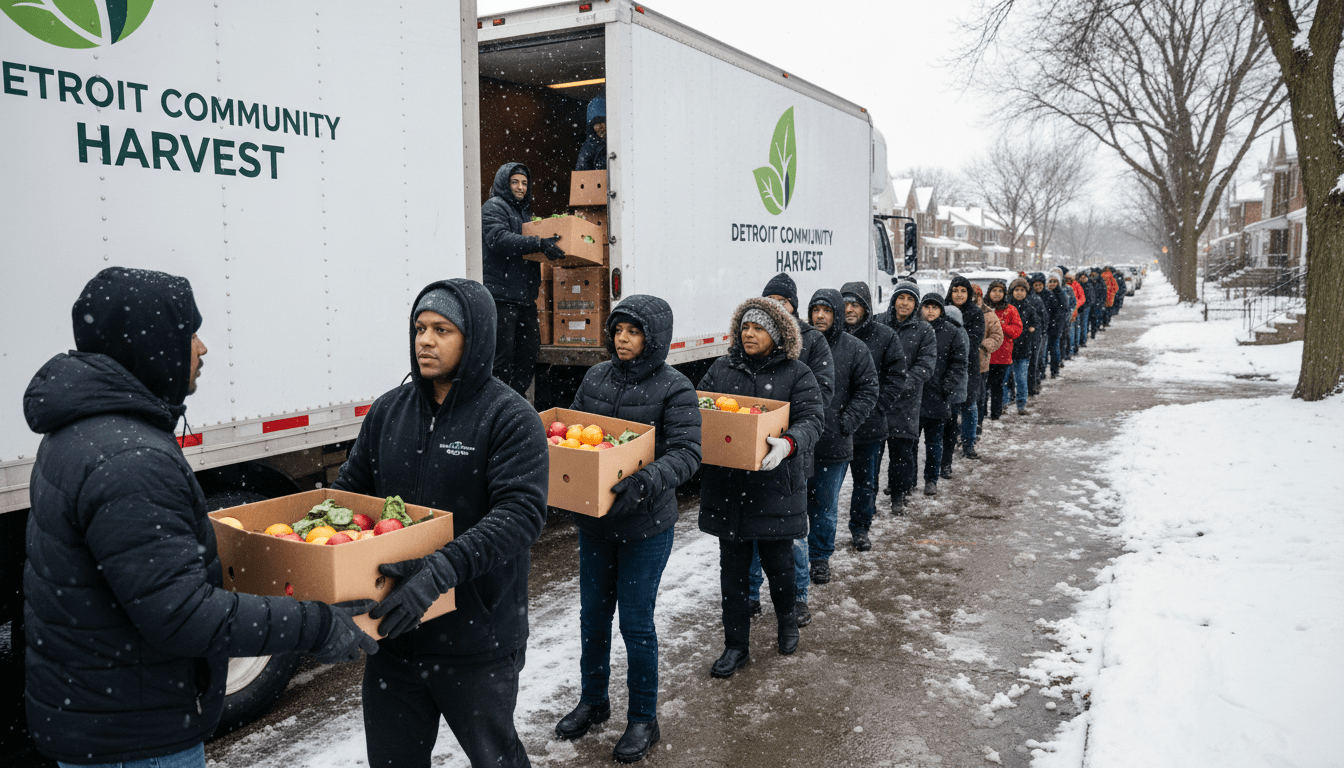
As inflation remains stubborn and pandemic-era safety nets continue to fade, a coalition of Detroit-based nonprofit organizations is intensifying efforts to combat the twin crises of food insecurity and homelessness across the city. With winter approaching and the cost of living straining household budgets, agencies report a significant uptick in residents seeking assistance for the first time.
Data released recently by local aid organizations indicates that the recovery from the economic disruptions of the last few years has been uneven. While downtown development continues, many neighborhoods are grappling with a affordability crisis that forces families to choose between paying rent and putting food on the table. In response, major players in the local philanthropic sector are adopting more integrated strategies to address these systemic issues.
The Current State of Detroit Food Insecurity
The demand for emergency food assistance in Detroit has not receded to pre-pandemic levels; in many zip codes, it has increased. According to reports from Gleaners Community Food Bank, one of the region’s largest emergency food providers, the organization has continued to distribute food at near-record levels. The organization has noted that the removal of enhanced SNAP (Supplemental Nutrition Assistance Program) benefits earlier in the post-pandemic cycle created a “cliff effect” that many Detroit families have yet to recover from.
“We are seeing working families who never thought they would need a food pantry standing in line,” said a spokesperson for a local distribution partner in Southwest Detroit. “The price of groceries has risen faster than wages for the service sector workers who make up a large portion of our community.”
To address widespread Detroit food insecurity, organizations are moving beyond static food pantries. Mobile distribution units and “client-choice” markets, which allow residents to shop for groceries with dignity rather than receiving pre-packed boxes, are becoming the standard. These initiatives are designed to reduce waste and ensure culturally relevant food reaches diverse neighborhoods.
For more on the city’s economic landscape, read our coverage on Detroit’s evolving small business economy.
Intersecting Crises: Housing and Hunger
Food insecurity rarely exists in a vacuum. It is often a precursor to, or a symptom of, housing instability. The Neighborhood Service Organization (NSO) and other housing advocates in Detroit have emphasized the “Housing First” model, which prioritizes getting individuals into stable housing before addressing other needs like employment or substance abuse treatment. However, maintaining that housing requires food security.
Local shelter operators report that the demographics of homelessness in Detroit are shifting. While chronic homelessness remains a challenge, there is a rising number of seniors and families entering the system due to evictions or rent hikes. When a family spends over 50% of their income on housing, the budget for nutrition is the first to be cut.
Collaborative efforts between the City of Detroit’s Housing & Revitalization Department and nonprofit partners are attempting to bridge this gap. By co-locating services—offering housing counseling at food distribution sites, for example—agencies hope to catch residents before they slip into homelessness.
Impact on Detroit Residents
The impact of these initiatives is felt most acutely by the city’s “ALICE” population—Asset Limited, Income Constrained, Employed. These are households that earn above the Federal Poverty Level but cannot afford the basic cost of living in their county.
For residents in neighborhoods like Brightmoor and Dexter-Linwood, local nonprofit initiatives are a lifeline. Access to fresh produce, often scarce in areas designated as food deserts, has improved through urban farming collaborations and pop-up markets. However, the anxiety of instability remains high.
Residents speaking at recent community board meetings have expressed gratitude for immediate aid but concern over long-term solutions. Many cite the need for higher-paying local jobs and rent control measures as the only permanent fixes to the cycle of poverty.
See how local infrastructure changes are affecting neighborhood access in our report on Detroit transportation and infrastructure updates.
Background & Data
The statistics paint a stark picture of the need in Wayne County. According to data from United Way for Southeastern Michigan, a significant percentage of Detroit households struggle to meet basic needs. The Michigan Association of United Ways’ ALICE report highlights that financial hardship in Detroit exceeds the national average, driven largely by the high cost of housing relative to local wages.
Furthermore, U.S. Census Bureau data continues to show a poverty rate in Detroit that hovers near 30%, despite recent economic improvements in the city’s central business district. This disconnect underscores the importance of the nonprofit sector, which fills the gap that government programs and the private market often leave open.
What Happens Next
Looking ahead to 2025, the focus for Detroit’s nonprofit sector is sustainability and policy advocacy. Leaders from major food banks and housing coalitions are lobbying at the state level in Lansing for permanent expansions to school lunch programs and affordable housing tax credits.
On the ground, the strategy is shifting toward holistic care. The City of Detroit’s expansion of the Community Health Corps, which utilizes peer support specialists to navigate residents through social services, is expected to play a crucial role in connecting the dots between Detroit food insecurity resources and housing support.
As winter sets in, the resilience of these safety nets will be tested. Local organizations are currently seeking volunteers and donations to prepare for the seasonal spike in demand, urging the community to recognize that fighting hunger and homelessness is a year-round battle.