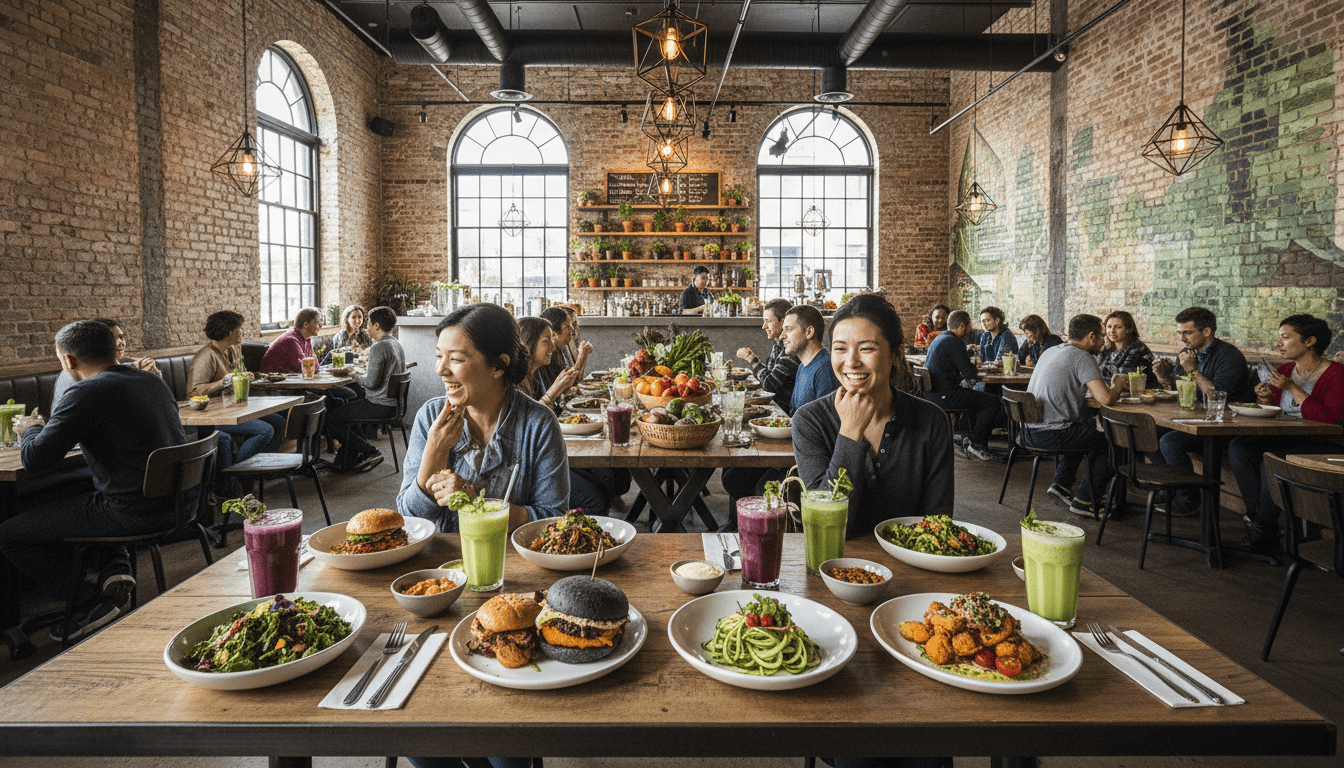
For decades, Detroit’s culinary identity was synonymous with the Coney Island hot dog and Detroit-style pizza—hearty, meat-centric staples that fueled the Motor City’s industrial workforce. However, a significant shift is underway across the city’s neighborhoods. A growing wave of plant-based dining and sustainable food practices is redefining Detroit’s restaurant industry, positioning the city as an unexpected hub for green gastronomy in the Midwest.
This transformation is not merely about a change in menus; it represents a broader cultural and economic movement. From the Avenue of Fashion to Southwest Detroit, entrepreneurs are leveraging the demand for sustainable options to revitalize commercial corridors and address long-standing issues of food access and health equity.
A Shift in Culinary Culture
The proliferation of vegan and vegetarian establishments in Detroit has accelerated rapidly over the last five years. According to data tracked by local business associations, the number of strictly plant-based eateries in the metro area has more than doubled since 2019. This trend aligns with national shifts, but in Detroit, it has taken on a unique character rooted in comfort food and community wellness.
Local restaurateurs report that the demand is no longer coming solely from a niche demographic. “The customer base has expanded significantly,” says a representative from the Detroit Restaurant Association. “We are seeing lifelong Detroiters who grew up on soul food seeking out plant-based alternatives that offer the same flavor profiles without the health risks associated with high meat consumption.”
Prominent establishments, such as the widely celebrated Detroit Vegan Soul and the newer Trap Vegan, have demonstrated that meat-free dining can be economically viable and culturally relevant. These businesses have paved the way for a diverse array of culinary concepts, ranging from upscale dining in Midtown to grab-and-go counters in the neighborhoods.
Impact on Detroit Residents and Health
The rise of Detroit plant-based dining is deeply intertwined with public health initiatives. In a city where rates of heart disease and diabetes have historically been higher than the national average, the accessibility of nutrient-dense, plant-based food is a critical development.
Community health advocates have long pushed for better food options in underserved neighborhoods. The current wave of restaurant openings is helping to close the gap in areas previously classified as food deserts. By providing healthier alternatives to fast food, these businesses are offering residents agency over their dietary choices.
Furthermore, many of these establishments are Black-owned, contributing to the circulation of capital within local communities. As reported in recent economic updates on DetroitCityNews.com, the hospitality sector remains a primary driver of minority entrepreneurship in the city. The success of these ventures suggests that sustainability and economic empowerment can go hand-in-hand.
Sustainability and Local Sourcing
Beyond the menu items, the push for sustainability extends to sourcing. Detroit’s unique network of urban farms is playing a pivotal role in this ecosystem. Organizations like Keep Growing Detroit support thousands of urban gardeners and farmers who supply local restaurants with fresh produce. This farm-to-table pipeline reduces the carbon footprint associated with food transportation and bolsters the local agricultural economy.
According to a study by the University of Michigan’s Center for Sustainable Systems, localized food systems are essential for mitigating the environmental impact of urban dining. Detroit restaurants adopting these practices are not only appealing to eco-conscious diners but are also building resilience against global supply chain disruptions.
Economic Data and Market Trends
The economic footprint of the plant-based sector is expanding. National market research indicates that the plant-based food market could exceed $160 billion globally within the next decade. Detroit represents a microcosm of this potential. Real estate developers are increasingly seeking sustainable food concepts to anchor mixed-use developments, viewing them as amenities that attract younger residents and professionals.
“Landlords and developers are actively looking for these types of tenants,” notes a local commercial real estate analyst. “A sustainable or vegan restaurant is seen as a value-add for neighborhoods undergoing revitalization.” This trend is evident in areas like Corktown and West Village, where food businesses serve as community hubs.
For more on how commercial development is shaping neighborhood identity, readers can view our coverage on Detroit neighborhood revitalization projects.
Future Outlook
As the industry matures, the focus is expected to shift toward affordability and scalability. While high-end plant-based dining garners headlines, the long-term sustainability of the movement depends on making these options accessible to all income levels. Industry experts predict a rise in fast-casual concepts that offer healthy meals at competitive price points.
The trajectory of Detroit plant-based dining suggests it is more than a passing fad. It is a response to environmental realities and health necessities, firmly rooted in the city’s spirit of innovation. As Detroit continues to evolve, its food scene is proving that a city built on industry can also lead the way in sustainability.