Detroit’s culinary landscape is undergoing a significant transformation, marked by a decisive shift away from the casual fast-casual concepts that dominated the last decade toward experiential, atmosphere-driven dining. As the city continues its economic stabilization, a notable trend has emerged: a growing demand for romantic restaurants in Detroit that offer not just fine food, but an immersive narrative and intimate ambiance. This resurgence is reshaping the hospitality map from Corktown to the riverfront, signaling confidence in the city’s ability to sustain high-end leisure dollars.
For years, the narrative around Detroit dining focused on resilience and scrappy startups. Today, however, established hospitality groups and outside investors are betting big on luxury and intimacy. According to recent industry reports, the request for table reservations at higher price points has stabilized above pre-pandemic levels in major metropolitan areas, and Detroit is mirroring this national trajectory. The desire for connection following years of social distancing has translated into a robust market for dining experiences that prioritize mood, lighting, and service.
The Resurgence of Intimate Dining
The appetite for sophisticated nights out is driving new developments across the city. Local restaurateurs are observing that patrons are increasingly willing to spend more on experiences that feel transformative. This shift is evident in the openings of polished venues in the Brush Park district and the continued revitalization of the downtown core.
Unlike the grab-and-go culture, the new wave of romantic restaurants in Detroit focuses on lingering. “Diners are looking for an escape,” notes coverage from Eater Detroit, which has tracked a flurry of openings that emphasize interior design and curated wine lists. This trend is not merely aesthetic; it represents a maturation of the local market where demand for quality date-night spots is outpacing supply on weekends.
One prime example of this lasting appeal is The Whitney. Located in Midtown, this historic mansion has long served as the benchmark for romance in the city. However, newer entrants like Alpino in Corktown or the French-inspired Le Suprême are modernizing the concept of romantic dining. These venues blend historical architecture with modern hospitality standards, creating spaces that feel both rooted in Detroit’s past and optimistic about its cosmopolitan future.
Impact on Detroit Residents
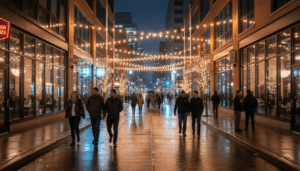
For local residents, the influx of elevated dining options provides more than just new places to eat; it serves as a catalyst for neighborhood walkability and safety. The concentration of high-end establishments creates active street life in the evenings, particularly in areas like Parker’s Alley and the blocks surrounding Little Caesars Arena.
Furthermore, the hospitality sector remains a crucial employer. As restaurants move upmarket, the demand for skilled service staff—sommeliers, executive chefs, and front-of-house managers—increases. This professionalization of the service industry offers higher wage potential for Detroiters compared to fast-casual counterparts.
Residents in developing neighborhoods are seeing property values stabilize around these commercial corridors. Real estate data consistently suggests that vibrant commercial districts with reputable dining options are a strong draw for new homebuyers. See our report on Detroit housing market trends for more context on how commercial anchors influence residential growth.
Economic Data and Hospitality Trends
The rise of experiential dining is supported by broader economic data. According to the Michigan Restaurant & Lodging Association (MRLA), the hospitality industry is a primary driver of the state’s economy. While inflation has impacted menu prices, consumer spending on services has remained resilient.
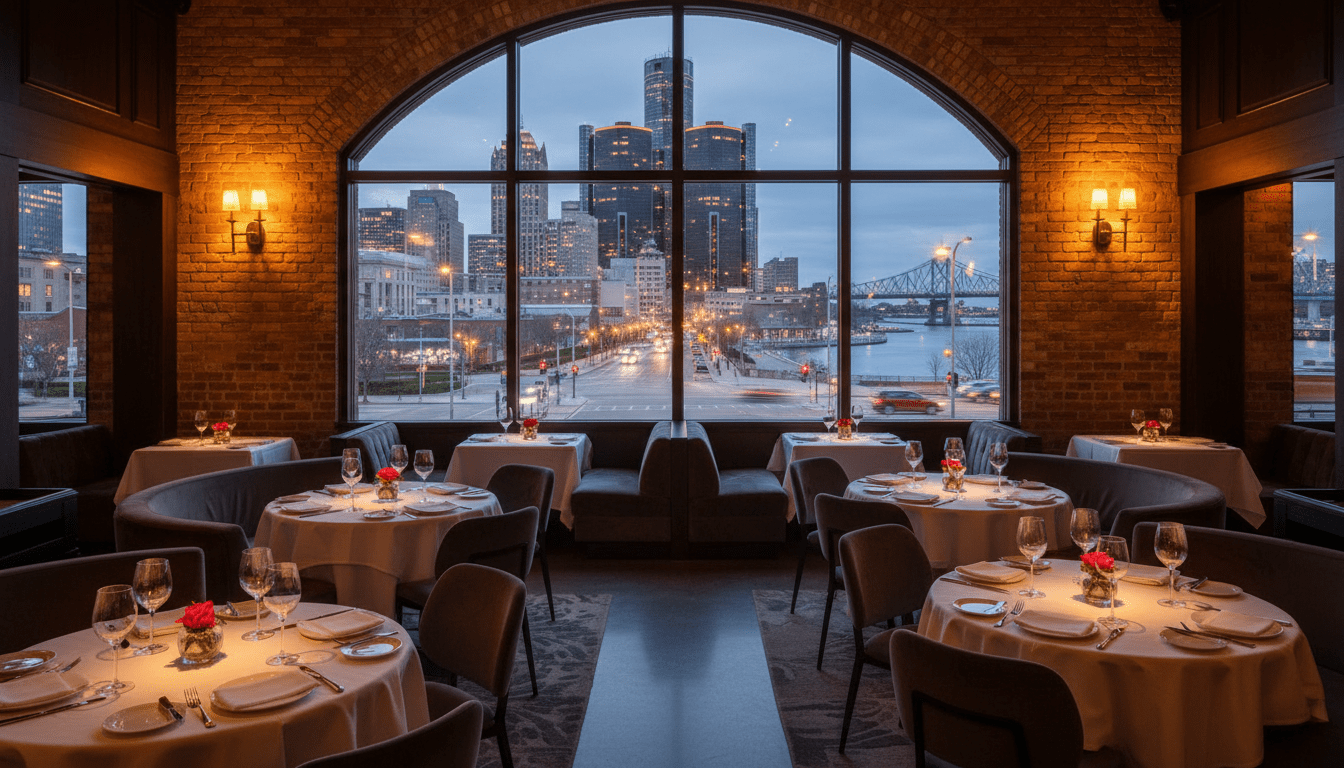
Statistics indicate that while patrons may dine out slightly less frequently than in 2019, the average check size has increased, driven by a preference for premium experiences. In Detroit, this manifests in the popularity of multi-course tasting menus and reserved seating at venues like The Highlands, which offers panoramic views from the Renaissance Center. The willingness of locals and suburban visitors to travel downtown for these experiences creates a circulation of revenue that supports valet services, nearby parking structures, and adjacent bars.
Analyzing the Demand for Romantic Restaurants in Detroit
The specific niche of romantic dining often serves as a bellwether for the overall health of a city’s entertainment district. When couples feel comfortable and compelled to spend an evening in the city, it indicates a perception of safety and vibrancy.
Local urban planners have noted that lighting, sidewalk width, and patio availability—key components of a romantic atmosphere—are being prioritized in new developments. The interconnectedness of the dining scene means that a successful romantic restaurant often anchors a wider development, encouraging retail shops to stay open later and fostering a 24-hour city environment.
Future Outlook
Looking ahead, the trajectory for Detroit’s dining scene appears to be aiming upward. Several high-profile hotel projects are currently underway, many of which include signature restaurants designed to attract both travelers and locals seeking a getaway within the city.
The competition is expected to rise, forcing existing establishments to maintain high standards of service and cuisine. For Detroiters, this means a wider selection of world-class dining options right in their backyard. As the city prepares for major national events and continues to attract tech and business conventions, the role of these establishments will extend beyond date nights; they will serve as the meeting grounds where Detroit does business and showcases its culture to the world.