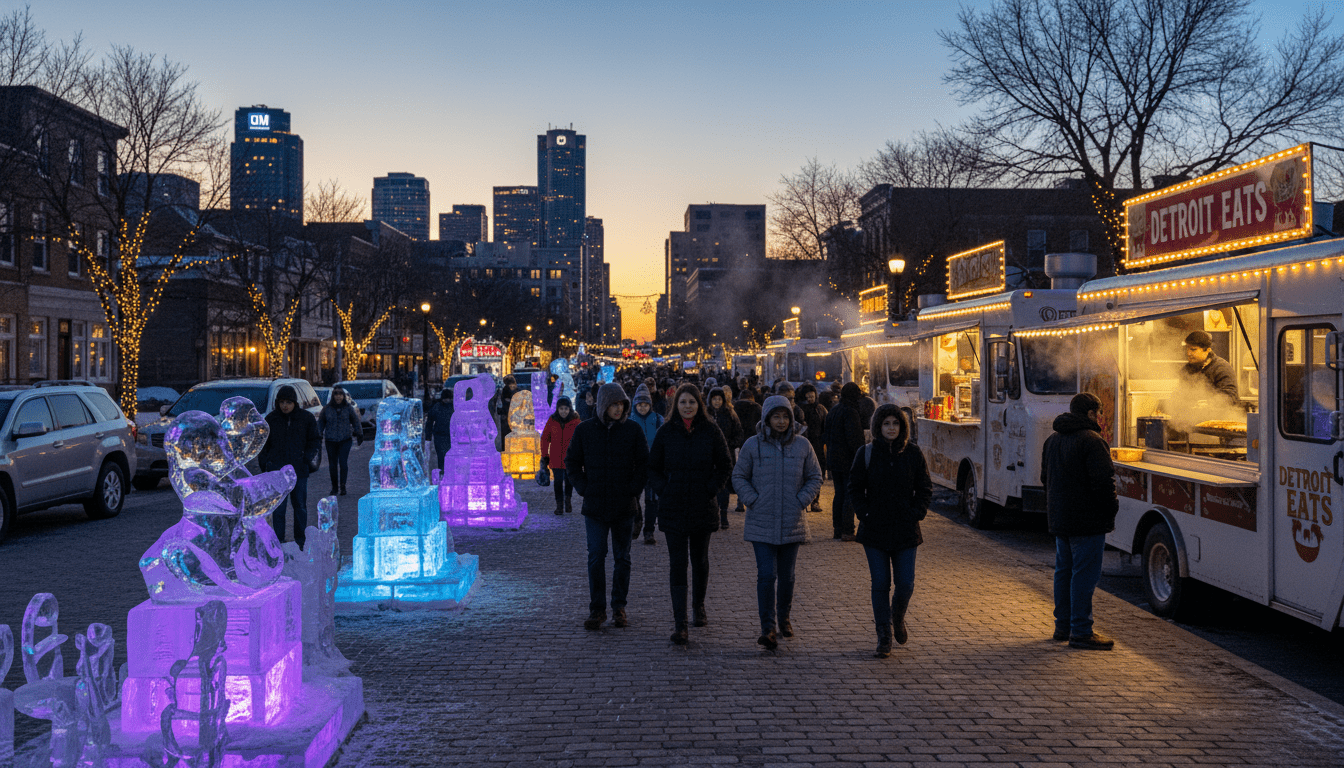
As the holiday lights come down and the deep freeze of mid-winter settles over Southeast Michigan, the region’s cultural and economic engines are gearing up for one of the busiest months of the season. While January typically sees a lull in tourism and local foot traffic, the lineup of Detroit festivals in February serves as a critical bridge to the spring economy, bringing thousands of residents and visitors into the city and its surrounding metro hubs.
From the family-friendly festivities of Winter Blast to the edgy allure of the Dirty Show and the deep cultural significance of Black History Month programming, February has evolved into a pivotal month for the local hospitality and entertainment sectors. According to data from the Detroit Metro Convention & Visitors Bureau (Visit Detroit), winter event programming is essential for sustaining hotel occupancy rates and restaurant revenue during what was historically a dormant period for the city.
A Shift in the Winter Landscape
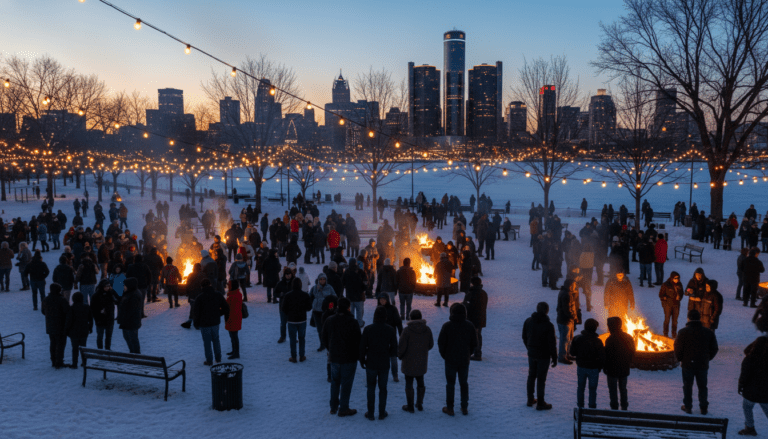
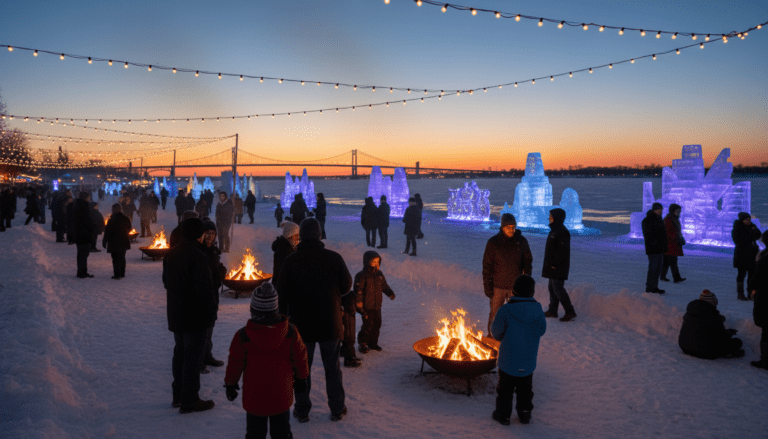
The anchor of the region’s winter calendar, the Winter Blast, continues to draw significant crowds, though its recent relocation from downtown Detroit to Royal Oak has shifted the economic center of gravity for this specific weekend. Scheduled for early February, the festival features ice skating, live music, and local food trucks.
Despite the change in venue, the impact on the broader Detroit ecosystem remains palpable. Organizers have noted that the event serves as a showcase for regional musicians and small business vendors who rely on the mid-winter exposure. Reports indicate that last year’s iteration drew over 80,000 attendees, a figure that stakeholders hope to match or exceed this year.
“February is no longer a time to hibernate,” said a spokesperson for the Royal Oak Downtown Development Authority in a recent press briefing. “The collaboration between local artists, food vendors, and municipal services creates a micro-economy that sustains businesses through the coldest weeks of the year.”
Simultaneously, within the Detroit city limits, the Russell Industrial Center is preparing for the return of the Dirty Show. What began years ago as a small, underground erotic art exhibition has ballooned into an internationally recognized festival, drawing artists and patrons from across the globe. This event alone is responsible for a measurable spike in ride-share usage and downtown dining reservations during the second weekend of February.
Impact on Detroit Residents and Culture
For Detroit residents, the February festival circuit offers more than just entertainment; it provides a necessary communal outlet during the isolating winter months. Beyond the commercial festivals, the city comes alive with programming centered on Black History Month. The Charles H. Wright Museum of African American History typically expands its calendar in February, hosting lectures, markets, and performances that celebrate Detroit’s rich heritage.
These cultural touchstones are vital for community cohesion. Local educators and community leaders have emphasized that accessibility to these events remains a priority. Many of the Detroit festivals in February, particularly community-led observances and the Winter Blast, remain free or low-cost, ensuring that the economic benefits of tourism do not price out local families.
Furthermore, the anticipation of Paczki Day (Fat Tuesday), which often falls in late February or early March, turns the enclave of Hamtramck into a festival ground of its own. Long lines at local bakeries like New Palace and Chene Modern Bakery become social events in themselves, generating revenue that supports these legacy businesses for the remainder of the year.
Background & Economic Data
The economic necessity of a robust February event calendar is backed by hard numbers. According to Visit Detroit, the leisure and hospitality sector in the region employs hundreds of thousands of workers. Without a steady stream of events to drive foot traffic, seasonal layoffs in the service industry would likely be more severe.
Data from the Downtown Detroit Partnership has historically shown that winter activation strategies—lighting installations, pop-up markets, and festivals—can increase pedestrian traffic by up to 30% compared to non-event weekends. This is particularly crucial for the city’s resurgence narrative.
“We are seeing a trend where winter tourism is becoming a deliberate strategy, not just an afterthought,” noted a representative from a local economic development group during a Q4 review. “People are traveling to Detroit specifically for cultural experiences that they cannot get elsewhere, regardless of the temperature.”
What Happens Next
As the month progresses, attention will turn toward the preparation for spring construction projects and the Detroit Tigers’ Opening Day in April. However, the immediate focus remains on executing a safe and profitable festival season.
City officials are coordinating with law enforcement to manage traffic patterns, particularly around the Russell Industrial Center and major thoroughfares leading to the suburbs for Winter Blast. Residents are advised to check local traffic updates before heading out.
The success of these February events will likely serve as a barometer for consumer confidence heading into the spring. If crowds remain robust despite inflation concerns, it signals a resilient local economy ready to support further development in the year ahead.