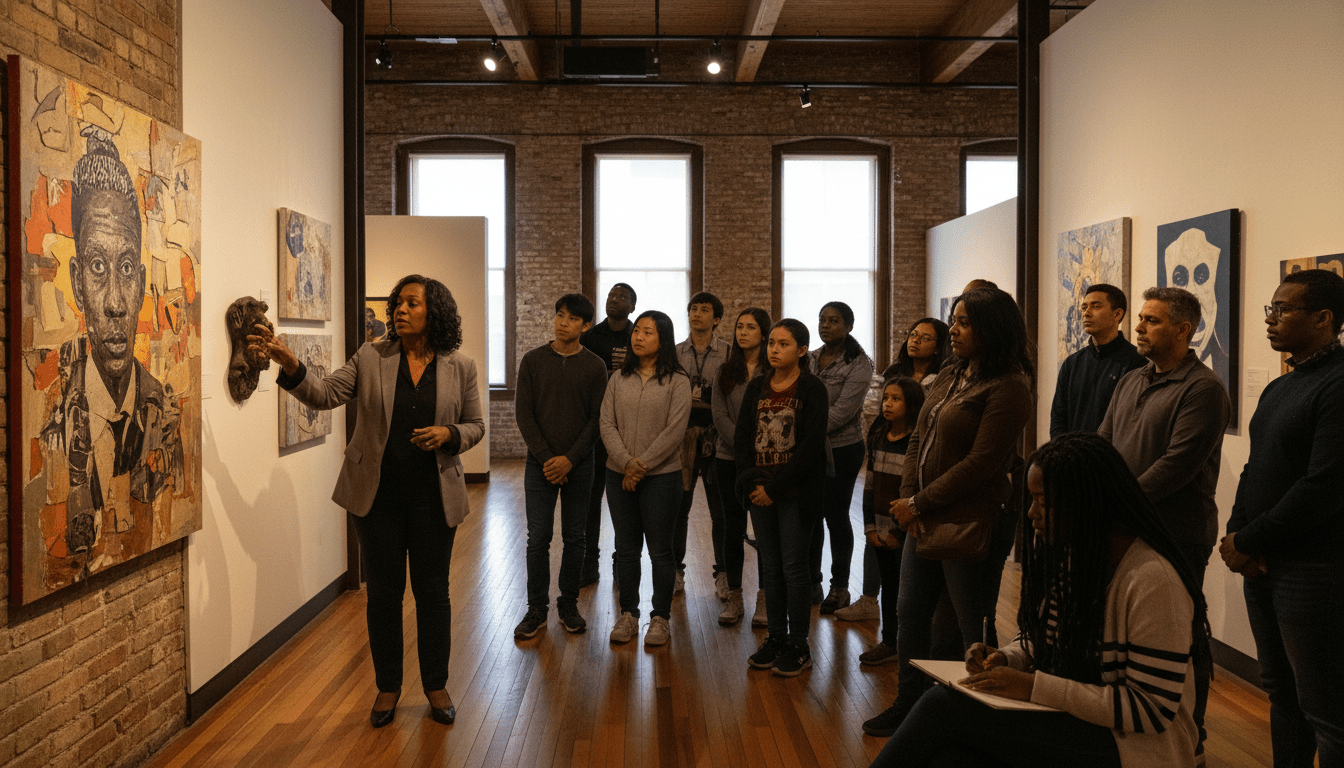
As February arrives, the spotlight turns once again to the cultural heart of the Midwest, where a robust lineup of Black History Month events Detroit residents have come to anticipate is officially underway. From the corridors of the Charles H. Wright Museum to the community halls of local recreation centers, the city is engaging in a month-long reflection on African American resilience, innovation, and artistic contribution.
Detroit, a city where nearly 78% of the population identifies as Black or African American, holds a unique position in the national observance of Black History Month. Unlike other municipalities where the month may be observed with a handful of lectures, Detroit’s institutions integrate this history into the very fabric of their annual programming, with February serving as a heightened focal point for community engagement and economic initiatives.
This year, the emphasis is not merely on looking back at historical figures, but on connecting the legacy of the past to the future of the city’s neighborhoods and economy. Local officials and cultural directors have coordinated a series of exhibitions, panels, and marketplaces designed to bridge the gap between historical education and modern economic empowerment.
Major Institutions Anchor the Celebration
The centerpiece of the city’s observance remains the Charles H. Wright Museum of African American History. As one of the world’s oldest and largest institutions dedicated to the African American experience, the museum has announced a comprehensive schedule that serves as the anchor for Black History Month events Detroit visitors will experience this year.
According to recent press releases from the museum, programming this month includes interactive storytelling sessions for youth, film screenings documenting the Civil Rights movement in the Midwest, and special guided tours of the permanent exhibition, And Still We Rise. This core exhibit, which traces the trajectory from African civilizations through the tragedy of the Middle Passage to modern-day resilience, is expecting higher-than-average foot traffic throughout the month.
Simultaneously, the Detroit Institute of Arts (DIA) is complementing these historical narratives with a focus on visual arts. The DIA has curated a series of talks and showcases highlighting Black artists who have shaped the visual identity of Detroit. These events are designed to contextualize the city’s contribution to global art movements, ensuring that local residents understand the global impact of their homegrown talent.
It is not just about the large museums, however. The Detroit Historical Society is also leveraging its archives to highlight the “Hustle and Hive” of Black entrepreneurship in Detroit, focusing on the historic Black Bottom and Paradise Valley neighborhoods. These retrospectives provide necessary context for current discussions regarding urban development and equity.
Economic Empowerment and Local Business
A distinct shift in recent years, which continues in the current lineup of events, is the focus on economic equity. City officials have increasingly utilized February as a launchpad for initiatives supporting Black-owned businesses. As reported by the Detroit Economic Growth Corporation (DEGC), supporting local minority-owned enterprises is a critical component of stabilizing the city’s economy.
Throughout the month, various pop-up markets are scheduled across the city, specifically in the Avenue of Fashion district and the North End. These marketplaces are not just retail opportunities; they are structured as networking events where business owners can connect with city resources, grant writers, and mentorship programs. For more on local economic shifts, readers can review our coverage on Detroit business development trends.
“The goal is to move beyond symbolism to substance,” said a representative from a local business coalition during a recent town hall. “Celebrating history includes celebrating the historic resilience of Black business owners in Detroit who kept the city running during its hardest decades.”
Impact on Detroit Residents
For the residents of Detroit, these events serve a dual purpose: education and identity reinforcement. In a rapidly changing city, where gentrification and redevelopment are constant topics of conversation, maintaining a strong grip on cultural heritage is vital for long-term residents.
Educators in the Detroit Public Schools Community District (DPSCD) often utilize these city-wide events to supplement curriculum. The accessibility of world-class history and art within the city limits allows for field trips and family outings that reinforce classroom learning. By seeing their history elevated in prestigious venues, young Detroiters are provided with a tangible sense of belonging and worth.
Furthermore, the influx of visitors attending Black History Month events Detroit hosts provides a seasonal boost to the hospitality sector. Restaurants in Midtown and Downtown often report increased patronage coinciding with museum events and concert series, creating a micro-economic boom during what is typically a slow winter month.
Community organizers emphasize that these events also provide safe, constructive spaces for dialogue. In an era of political polarization, the panels hosted by organizations like the Detroit Urban League offer residents a platform to discuss civil rights, voting access, and housing equity—topics covered extensively in our recent report on Detroit neighborhood housing updates.
Background and Data
The significance of these events is underscored by demographic data. According to the U.S. Census Bureau, Detroit remains the largest majority-Black city in the United States. This demographic reality means that Black history is, effectively, Detroit history. The integration of these narratives is not a niche interest but a reflection of the majority experience.
Historical data from the Detroit Historical Society notes that the city was a critical terminal on the Underground Railroad and a primary destination during the Great Migration. The events scheduled this month frequently reference these specific historical touchpoints, drawing a line from the industrial boom of the 1940s to the cultural renaissance of the Motown era, and finally to the current revitalization efforts.
What Happens Next
While February provides a concentrated schedule of events, organizers are keen to stress that the work continues year-round. The exhibitions launched this month at the Wright Museum often run through the spring, and the business connections made during the marketplaces are intended to foster long-term growth.
As the month progresses, attention will likely shift toward how the momentum generated by these events can be sustained. With the city preparing for a spring season full of construction and development projects, ensuring that the cultural legacy highlighted this month is preserved in the physical landscape of the city remains a priority for preservationists and city planners alike.
Residents are encouraged to check the official websites of the Charles H. Wright Museum and the City of Detroit’s Department of Civil Rights, Inclusion & Opportunity for the most up-to-date times and ticketing information regarding specific events.