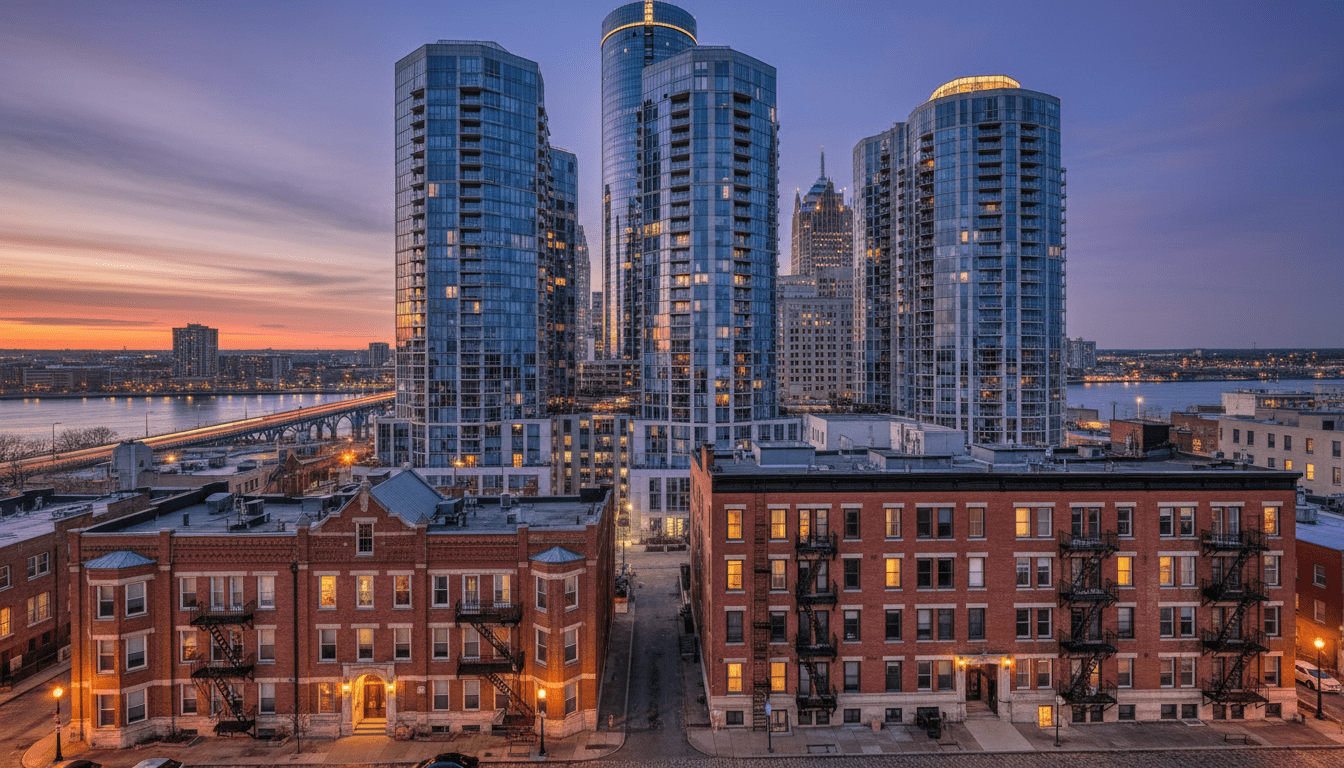
The skyline of Detroit is undeniably changing, and with it, the landscape of residential housing in the Motor City. As construction cranes continue to dot the horizon from Downtown to Corktown, the market for apartments Detroit residents can access is undergoing a significant transformation. A surge in inventory has stabilized rent prices in some sectors, yet the tension between high-end luxury developments and the critical need for affordable housing remains a central narrative in the city’s economic recovery.
According to recent data from national listing platforms, the median rent in Detroit has seen fluctuations consistent with broader Midwestern trends, but the specifics of the local market tell a more complex story. While Downtown and Midtown continue to attract young professionals with premium amenities, long-time residents in the city’s neighborhoods are watching closely to see how these changes will impact their cost of living.
The Luxury Boom vs. Affordable Needs
Over the past five years, the primary driver of new units has been mixed-use developments. Major projects, such as the redevelopment of the Hudson’s site and the relentless expansion around The District Detroit, have brought thousands of new units online. However, a significant portion of these new apartments Detroit developers are building target the upper echelon of the rental market.
Data from the U.S. Census Bureau and local housing reports indicate that while the supply of market-rate units is increasing, the demand for workforce housing continues to outstrip supply. To combat this, the City of Detroit has implemented strict inclusionary housing ordinances. These rules generally require that developers receiving public subsidies set aside at least 20% of new units for residents earning 80% or less of the Area Median Income (AMI).
“The goal is to ensure that Detroiters who stayed during the hard times aren’t pushed out now that the market is heating up,” city officials have noted in recent public housing forums. While developers argue that market-rate units are necessary to make construction financing viable, housing advocates maintain that without aggressive intervention, the definition of “affordable” may drift out of reach for the average Detroit household.
Impact on Detroit Residents
For the average renter, the influx of new inventory has a mixed impact. On one hand, increased competition among landlords in the luxury sector has led to rental concessions, such as a month of free rent or reduced security deposits, particularly in the Central Business District. On the other hand, the “ripple effect” of rising property values is being felt in neighborhoods adjacent to these development hot zones, such as North Corktown and Woodbridge.
Local tenant organizations have reported an increase in inquiries regarding lease renewals and rent hikes. Long-term residents are concerned that the cosmetic upgrades to older buildings are being used as justification for significant rent increases, a practice that highlights the precarious nature of the current market for low-to-middle-income families.
For more on how local infrastructure changes are influencing housing values, read our report on Detroit transportation updates, which details how new transit lines are reshaping neighborhood desirability.
Neighborhoods in Focus: Beyond Downtown
While the headlines often focus on the skyscraper living of the Central Business District, the market for apartments Detroit neighborhoods offer is shifting as well. The Strategic Neighborhood Fund (SNF), a partnership between the City of Detroit and Invest Detroit, has been instrumental in directing capital toward corridors like Livernois-McNichols, Southwest Detroit, and the East Warren corridor.
These initiatives aim to rehabilitate smaller, multi-family apartment buildings that have sat vacant for years. By renovating existing structures rather than solely building new ones, the city hopes to preserve the architectural character of the neighborhoods while providing quality housing stock. According to the City of Detroit Housing & Revitalization Department, preserving naturally occurring affordable housing is a key pillar of their long-term strategy.
This approach offers a different value proposition compared to the glass towers downtown. Renters in these areas are often looking for community stability and proximity to local small businesses rather than concierge services and rooftop pools.
Data and Market Trends
Recent reports from real estate analytics firms paint a picture of a stabilizing market after the post-pandemic spikes. Key data points include:
- Vacancy Rates: Vacancy rates in Class A (luxury) buildings have ticked up slightly as new supply hits the market, giving renters more leverage.
- Rent Stabilization: Year-over-year rent growth has slowed compared to the double-digit percentages seen in 2021 and 2022.
- Amenity Wars: To attract tenants to new apartments Detroit offers, landlords are increasingly including utilities, high-speed internet, and co-working spaces in the base rent.
For a deeper dive into the economic factors driving these trends, see our analysis on the Detroit economy and job market.
Future Outlook for Renters
Looking ahead to the remainder of the year and into 2025, the pipeline for new apartments in Detroit remains robust. However, high interest rates and construction costs are likely to slow the pace of new project announcements. This potential slowdown in new starts could eventually tighten inventory again, suggesting that the current window of stabilized rents might be temporary.
Urban planners and city officials continue to emphasize the importance of density. By encouraging the development of apartments along major transit corridors, Detroit aims to create a more walkable, connected city. For residents, the evolving market presents both opportunities to upgrade living situations and challenges regarding long-term affordability.
As the city continues to navigate its revitalization, the ability to balance the profit motives of developers with the housing security of residents will determine the true success of the Detroit apartment market.