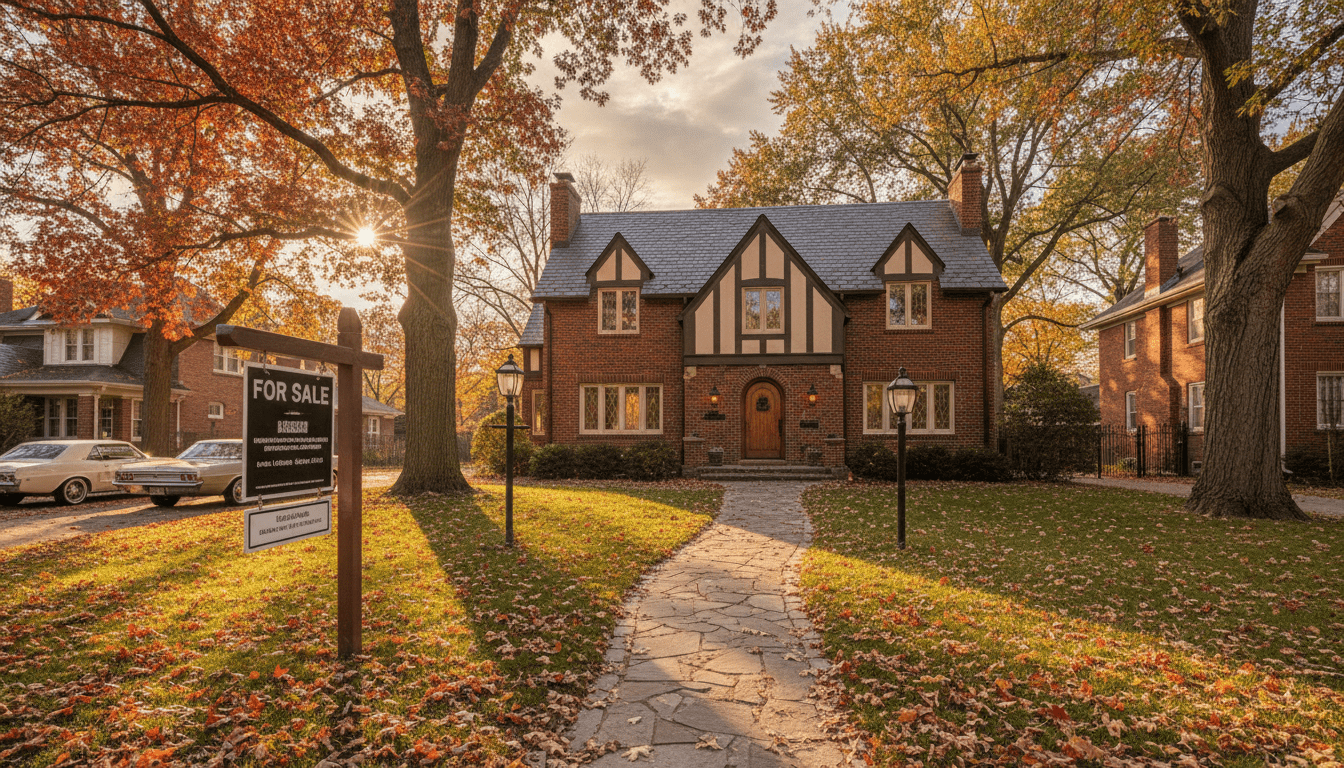
The narrative surrounding homes for sale Detroit has listed over the past decade is undergoing a significant structural shift. Long characterized by an abundance of distressed inventory and cash-only transactions, the city’s housing market is entering a phase defined by tightening inventory for turnkey properties and a steady climb in median sale prices across established neighborhoods.
As we move through the latter half of 2024, prospective buyers are finding that the window for bargain-basement pricing is closing in areas like the University District, Bagley, and East English Village. While the city remains one of the most affordable major metropolitan markets in the United States, the dynamics of supply and demand are creating a new reality for local families and newcomers alike.
The Shift to Owner-Occupancy
According to recent data regarding residential transactions, the ratio of mortgages to cash sales—a key health indicator for the housing market—is improving. For years, the prevalence of homes for sale Detroit offered required extensive renovations that traditional lenders would not finance. This limited the buyer pool largely to investors and cash-rich speculators.
However, initiatives by the City of Detroit Housing and Revitalization Department and local lenders to provide renovation mortgages and appraisal gap coverage have begun to level the playing field. Real estate analysts note that while inventory remains low compared to pre-pandemic levels, the quality of listings is rising.
“The market is bifurcating,” notes a report referencing trends from the Detroit Association of Realtors. “On one side, you have move-in ready homes receiving multiple offers within days of listing. On the other, the distressed inventory from the Detroit Land Bank Authority (DLBA) requires a specific type of buyer with the capital and patience for heavy rehabilitation.”
Impact on Detroit Residents
For long-time Detroiters, the rising value of homes for sale Detroit presents a double-edged sword. On one hand, existing homeowners are finally seeing tangible equity growth. Neighborhoods that faced appraisal droughts just five years ago are now seeing comps that support refinancing and home improvement loans.
On the other hand, first-time homebuyers currently renting in the city face stiff competition. The rise in interest rates, combined with higher asking prices, has squeezed affordability. In response, local programs are becoming critical lifelines. The Detroit Down Payment Assistance Program remains a vital tool, offering qualifying residents grants to help bridge the gap between savings and closing costs.
Residents looking to buy in their own neighborhoods often find themselves competing against out-of-state buyers who view Detroit’s price per square foot as a bargain compared to coastal markets. This friction is driving a renewed focus on policy measures to prioritize legacy residents in the housing equation.
Market Data and Neighborhood Trends
Analyzing the current landscape of Detroit neighborhood growth reveals specific pockets of intense activity. Areas such as Palmer Woods and Sherwood Forest continue to command premium prices, often exceeding $400,000, functioning as anchors for the city’s tax base.
However, the real story of 2024 is in the “middle neighborhoods”—areas like Fitzgerald and Morningside. Here, the stock of homes for sale Detroit lists is seeing incremental value increases. Investors who purchased properties three years ago are now offloading renovated units, albeit at higher price points.
Land Bank Inventory Updates
The Detroit Land Bank Authority continues to be the largest land owner in the city, but their strategy has evolved. Rather than flooding the market, the DLBA is increasingly bundling properties or working with developers to rehabilitate homes before they hit the market. This strategy aims to raise comparable sales values in surrounding blocks, but it also means the days of the widespread $1,000 auction house are becoming rarer for individual buyers looking for a quick purchase.
Challenges in the Appraisal Market
Despite the positive momentum, the “appraisal gap” remains a technical hurdle for many transactions involving homes for sale Detroit. An appraisal gap occurs when a home’s sale price exceeds the appraiser’s estimate of its value, often due to a lack of recent, high-value comparable sales in the immediate vicinity.
Lenders and appraisers are slowly adjusting to the new market reality, but deals still fall through when financing cannot cover the agreed-upon price. This often forces sellers to lower prices or buyers to bring extra cash to the closing table, further advantaging those with liquid assets over those relying on FHA or conventional financing with minimum down payments.
What Happens Next?
Looking ahead to 2025, the trajectory for Detroit’s economic development suggests a continued normalization of the housing market. As the city continues to address blight and improve infrastructure, the inventory of habitable homes is expected to grow slowly.
Experts anticipate that interest rates will continue to dictate the velocity of sales. If rates stabilize, more inventory may come online as current homeowners feel comfortable selling and moving. For now, the Detroit market remains a complex environment of opportunity and competition, distinct from the suburban markets surrounding it.