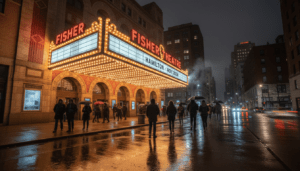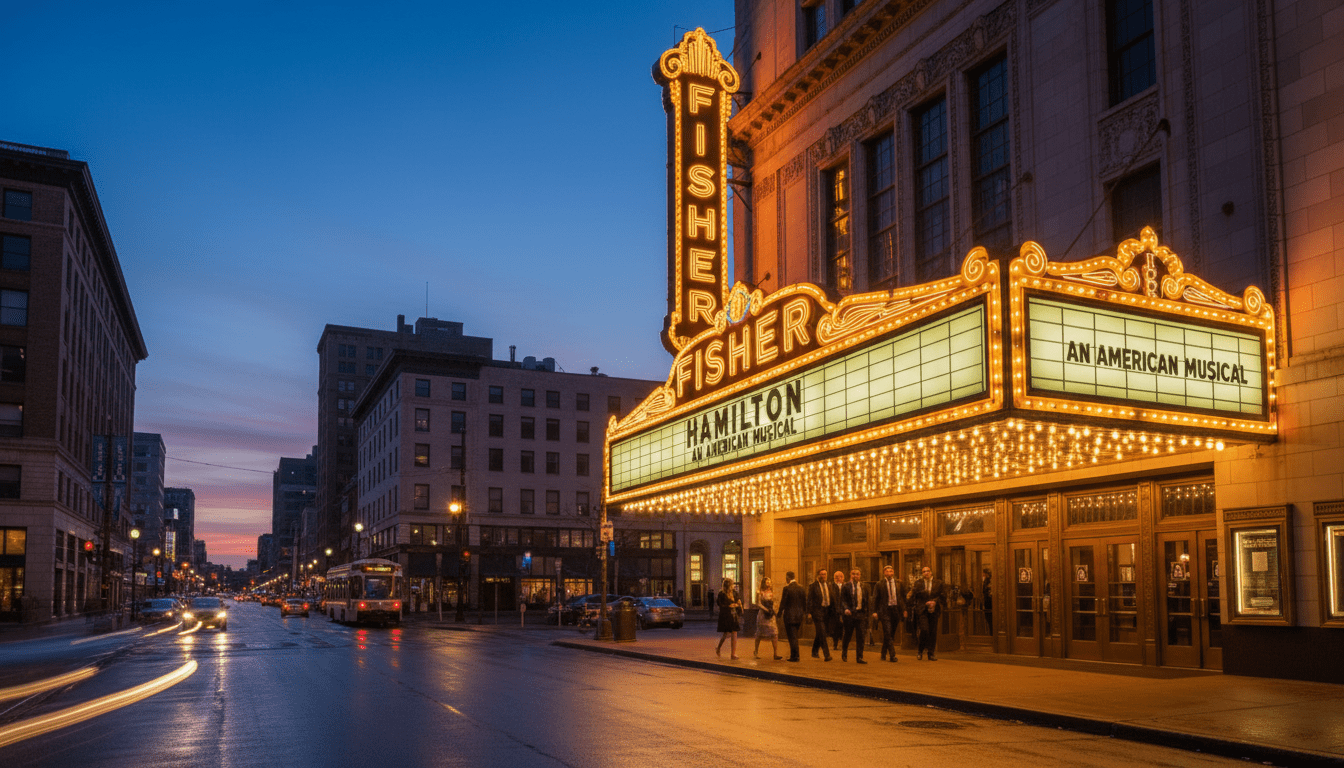
The marquee lights at the Fisher Theatre and the Detroit Opera House are set to shine brighter this year as Broadway in Detroit unveils a robust lineup for the upcoming season. The announcement marks a significant moment not just for arts enthusiasts across Southeast Michigan, but for the city’s hospitality and service industries, which rely heavily on the influx of visitors generated by touring productions.
According to the latest schedule released by Nederlander Detroit, the organization responsible for bringing touring Broadway productions to the city, the new season features a mix of returning blockbusters, contemporary hits, and family favorites. With subscription sales reportedly trending upward, city officials and business owners are preparing for a surge in foot traffic that extends well beyond the theater doors.
A Lineup Designed to Draw Crowds
The upcoming season reflects a strategic balance of artistic acclaim and commercial viability. This year’s roster includes the return of mega-hits alongside Detroit premieres of Tony Award-winning musicals. Industry analysts suggest that this specific curation is designed to maximize attendance figures which, in turn, fuels the surrounding economy.
Broadway in Detroit representatives highlighted that the season will utilize both the historic Fisher Theatre in the New Center area and the Detroit Opera House downtown. By splitting productions between these two distinct districts, the economic benefits are distributed across different neighborhoods, supporting a wider array of restaurants, parking facilities, and bars.
“The caliber of shows coming to Detroit this season is on par with what you would see in New York or Chicago,” noted a spokesperson for the local arts council in a recent press briefing. “When you have productions like The Lion King or Hamilton on the calendar, or newer sensations like Back to the Future: The Musical, you aren’t just selling tickets; you are selling a night out in Detroit.”
Broadway in Detroit Drives Economic Growth
The correlation between performing arts and local economic health is well-documented. Data from the Broadway League suggests that for every dollar spent on a theater ticket, an additional three to four dollars are injected into the local economy through ancillary spending. In Detroit, this multiplier effect is vital for the recovery and growth of the dining and nightlife sectors.
Local business owners in the New Center area have reported that show nights can account for a significant percentage of their weekly revenue. “On nights when the Fisher Theatre has a full house, reservations are essential,” said the manager of a bistro located within walking distance of the venue. “The difference between a show night and a dark night is night and day for our bottom line.”
Furthermore, the arrival of large-scale productions creates temporary employment opportunities for local stagehands, musicians, and venue staff. The Broadway in Detroit organization works closely with local unions to ensure that the labor required to mount these complex productions is sourced from the region’s skilled workforce.
Impact on Detroit Residents and Infrastructure
For residents, the thriving theater scene offers more than just entertainment; it contributes to the vibrancy and safety of the city’s neighborhoods. Increased foot traffic generally leads to improved street lighting, extended hours for public transportation, and a more visible security presence in entertainment districts.
However, the influx of theatergoers also presents logistical challenges that the city is working to address. Parking availability and traffic congestion remain top concerns for locals, particularly during overlapping events—such as when a show at the Opera House coincides with a game at Ford Field or Comerica Park.
To mitigate these issues, the Detroit transportation infrastructure is seeing gradual adjustments. The QLine and People Mover continue to be vital assets for moving visitors between dining hubs and venues without adding to the vehicular congestion. City planners have emphasized the importance of public transit in sustaining the growth of Detroit’s entertainment sector.
Background & Data: The Post-Pandemic Resurgence
The return of full capacity crowds marks a continued recovery from the disruptions caused by the COVID-19 pandemic. According to reports from the Detroit Metro Convention & Visitors Bureau (Visit Detroit), cultural tourism is a leading driver of the region’s visitor economy. In 2019, the arts and culture sector contributed hundreds of millions to the local GDP, a figure that the city aims to surpass with the 2024-2025 season.
Recent statistics indicate that suburban participation in downtown events is rising, signaling a renewed confidence in the city center. Approximately 60% of attendees for major touring shows travel from outside the city limits, bringing external revenue into Detroit. This capital inflow supports tax revenues which fund essential city services.
Key Statistics
- Venue Capacity: The Fisher Theatre seats approximately 2,089, while the Detroit Opera House holds around 2,700 patrons.
- Spending Habits: Average ancillary spending per person (dining, transport, retail) is estimated at over $50 per show night.
- Season Duration: The typical Broadway season runs from late autumn through early summer, providing sustained economic activity during colder months when outdoor tourism slows down.
What Happens Next?
As the curtain rises on this new season, all eyes will be on ticket sales and the subsequent ripple effect on the local economy. Development projects near the venues are also gaining traction, with investors betting on the long-term viability of Detroit’s entertainment districts. For instance, ongoing Detroit development projects in the New Center area are increasingly marketing their proximity to the Fisher Theatre as a key amenity for prospective residential tenants.
Looking ahead, the success of this season will likely influence the booking decisions for future years. A strong turnout demonstrates to New York producers that Detroit remains a top-tier market for touring productions, ensuring that the city remains a priority stop for the world’s biggest shows.
For now, Detroiters can look forward to a year filled with music, drama, and the bustle of a busy city center, proving once again that the arts are a cornerstone of urban revitalization.