In 2026, the Detroit music scene has transcended its historical roots to become a primary driver of the city’s post-pandemic economic and cultural identity. What was once a landscape defined largely by the echoes of Motown and the underground pulse of techno has evolved into a multi-billion dollar ecosystem. According to recent data from the Michigan Economic Development Corporation (MEDC), the creative arts sector now contributes significantly more to the city’s GDP than it did a decade ago, fueled by a resurgence in live music Detroit venues and international interest in local talent.
The Economic Engine of the Detroit Music Scene
The growth of the Detroit music scene is not accidental. It is the result of a concerted effort by the City of Detroit and private investors to stabilize the infrastructure that supports performers. According to a report by the Detroit Economic Growth Corporation (DEGC), the city’s ‘Creative Economy Initiative’ has successfully streamlined the permitting process for independent venues, leading to a 15% increase in operational small-to-medium-sized concert halls since 2024. This development has provided a consistent platform for emerging artists Detroit residents are championing.
As part of this growth, the city has seen a rise in the ‘music tourism’ sector. Travelers from across the globe are no longer just visiting for the legacy of the past but are coming for the contemporary innovation found in the city’s corridors. For more information on how this affects the broader business climate, see our previous coverage on Detroit local business trends.
Major Music Festivals Detroit: A Global Draw
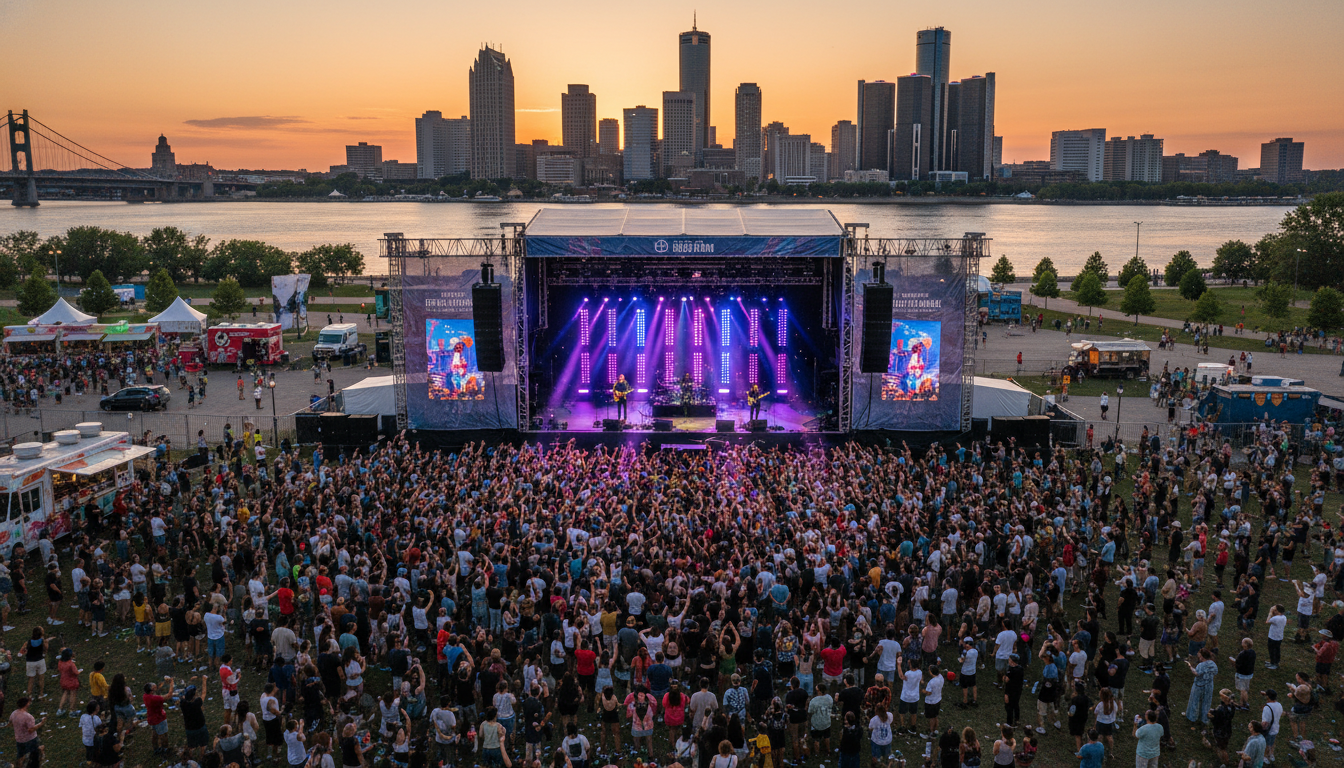
The 2026 festival season has broken previous attendance records. The Movement Electronic Music Festival and the Detroit Jazz Festival remain the twin pillars of the city’s summer calendar, but they have been joined by new, specialized events focusing on indie-rock, neo-soul, and experimental genres. Organizers of these music festivals Detroit say that the city’s unique grit and architectural backdrop provide an atmosphere that ‘cannot be replicated in New York or Los Angeles.’
Data from the U.S. Census Bureau’s periodic economic surveys indicates that during peak festival months, hospitality revenue in downtown and Midtown Detroit spikes by nearly 40%. These events provide critical temporary employment for thousands of residents and offer a global stage for local vendors. ‘The synergy between the artists and the local economy is at an all-time high,’ stated a spokesperson for the Detroit Arts and Culture Commission.
Impact on Detroit Residents
For the average Detroiter, the flourishing music scene means more than just loud weekends. It has led to the revitalization of neighborhood commercial strips. In areas like the North End and Southwest Detroit, new performance spaces are acting as anchors for other small businesses, such as cafes and record shops. This ‘arts-led’ development is a key component of current Detroit neighborhood development strategies.
However, the rapid expansion has also brought challenges, particularly regarding affordability for the artists themselves. Local advocacy groups have pointed out that as the Detroit music scene gains international prestige, the cost of living in creative hubs like Corktown has risen. To combat this, the city has partnered with non-profits to establish ‘Artist-in-Residence’ housing programs, ensuring that the people who create the culture can afford to stay within the city limits.
Artists Detroit: The New Sound of 2026
The current crop of artists Detroit is producing are characterized by their genre-fluidity. While techno remains the city’s primary export, a new wave of producers is blending electronic foundations with live instrumentation and vocal arrangements reminiscent of the Motown era. This ‘New Detroit Sound’ has captured the attention of major streaming platforms and international touring circuits.
According to research published by Wayne State University’s Department of Music, the current success of local artists is largely due to the robust network of community recording studios and mentorship programs that have received increased municipal funding over the last three fiscal years. This grassroots support has allowed artists to maintain creative control while reaching a global audience.
Future Outlook and Sustainability
Looking toward 2027 and beyond, the sustainability of this growth depends on continued infrastructure investment. The City of Detroit is currently reviewing proposals for a new multi-use ‘Sound District’ that would centralize music education, production, and performance. This project aims to solidify Detroit’s standing as a ‘City of Music’—a designation it shares with global peers in the UNESCO Creative Cities Network.
For official updates on city-led arts initiatives, residents are encouraged to visit the City of Detroit official website. As the city continues to navigate the complexities of urban growth, the music scene stands as a testament to Detroit’s resilience and its enduring role as a cultural powerhouse on the world stage.