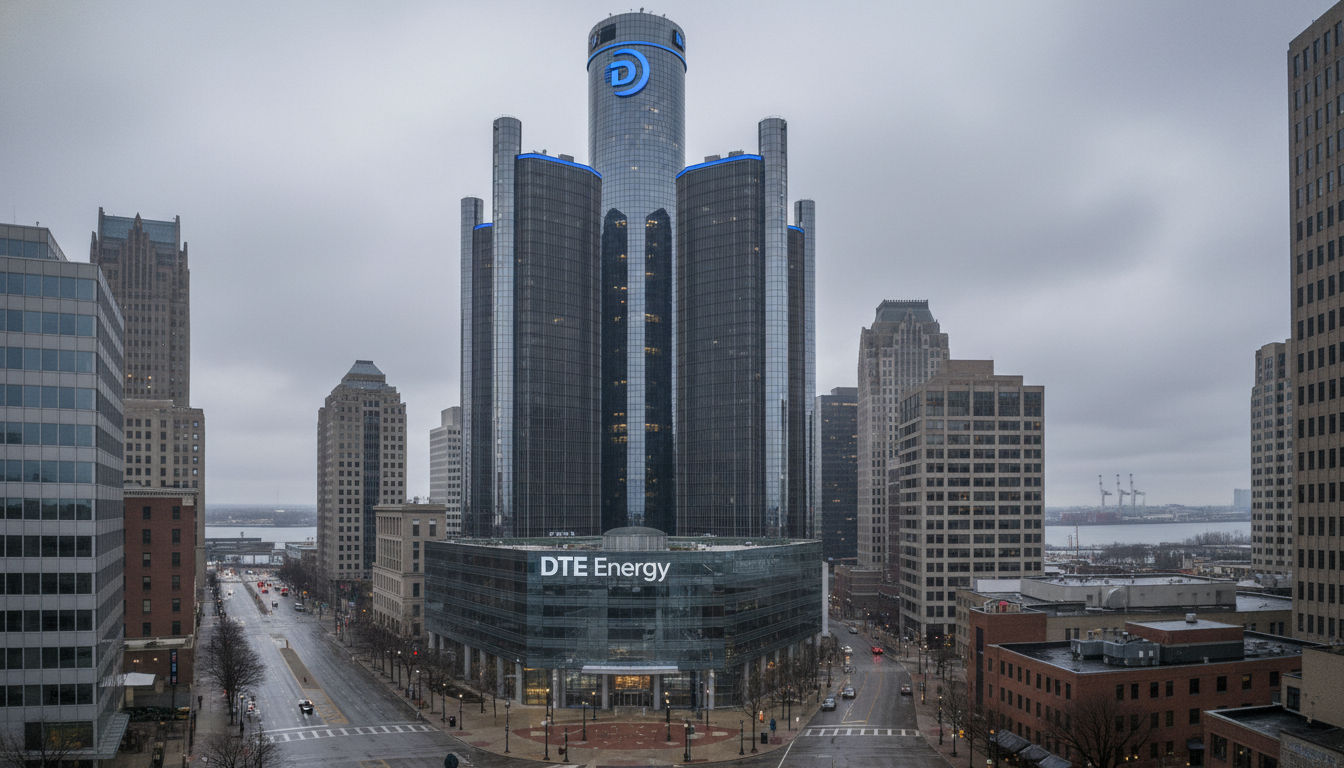
LANSING — Michigan Attorney General Dana Nessel has officially filed testimony to intervene in DTE Electric’s latest request for a substantial rate increase, a move that has sparked significant utility controversy across the state. The investor-owned utility, which serves millions in Southeast Michigan, is seeking a $450 million annual increase in its base rates. This request comes less than a year after the Michigan Public Service Commission (MPSC) approved a $368 million increase in December 2023. Nessel, acting as a consumer advocate, argued that the proposed hike is excessive and places an undue burden on families already struggling with rising energy prices.
The Attorney General’s Formal Intervention
According to the Michigan Department of Attorney General, the proposed rate hike would result in a roughly 10 percent increase for residential customers. Nessel’s office hired independent experts to review the filing, concluding that DTE’s request overestimates its needs and includes costs that should be borne by shareholders rather than ratepayers. Expert testimony filed on behalf of the AG suggests that DTE Energy’s projected sales were underestimated, which effectively inflates the perceived need for a rate increase. Furthermore, the testimony highlighted that DTE’s requested return on equity (ROE) of 10.5% is significantly higher than the national average for similar utilities. By reducing the ROE and adjusting for actual projected sales, the AG’s office argues the rate increase could be slashed by more than half.
Impact on Detroit Residents and Energy Affordability
For many residents in Detroit, these increases are not just a matter of a few extra dollars on a monthly bill. The concept of energy burden—where a household spends more than 6% of its gross income on energy—is a reality for thousands of Detroit families. Data from local advocacy groups and academic studies suggests that in some Detroit zip codes, the energy burden exceeds 15%. This financial strain is particularly acute given Detroit’s economic landscape, where many residents live on fixed incomes or in older homes that lack modern energy efficiency. When combined with the city’s aging infrastructure and the frequency of power outages during Michigan’s seasonal storms, the value proposition offered by DTE Energy has come under intense scrutiny from both the public and state officials.
Background and Utility Performance Data
DTE Energy maintains that the $450 million is necessary to fund its Grid of the Future plan. This multi-year initiative includes undergrounding wires, installing smart sensors, and upgrading substations to handle the transition toward Michigan’s clean energy goals. However, the Attorney General’s office points to a disparity between DTE’s corporate profits and the reliability of its service. Michigan residents currently pay some of the highest electricity rates in the Midwest while simultaneously experiencing some of the longest outage durations. According to data from the Michigan Public Service Commission (MPSC), DTE’s performance during extreme weather events has frequently lagged behind national benchmarks, leading to calls for stricter accountability and performance-based ratemaking.
Corporate Profit vs. Public Service
The controversy is further fueled by DTE’s financial reporting. In recent quarterly filings, the utility has reported healthy profits and continued dividend payments to shareholders. This has led to a narrative of corporate greed among community organizers in Detroit. Local organizations have argued that instead of seeking more money from the public, the utility should reinvest a larger portion of its existing profits into the grid. The AG’s testimony specifically challenges the inclusion of certain executive compensation packages and advertising expenses in the rate-increase request, arguing that these costs provide no direct benefit to the rate-paying public. Instead, Nessel suggests that the utility should focus its capital expenditures on the most vulnerable parts of the grid to prevent the frequent multi-day outages that plague Detroit neighborhoods.
What Happens Next in the Regulatory Process
The MPSC is the body responsible for making the final decision on the rate hike. Over the coming months, the commission will hold a series of public hearings where Detroit residents and other stakeholders can voice their concerns. These hearings are a critical part of the regulatory process, allowing the commission to weigh the utility’s technical requirements against the public interest. Nessel’s intervention ensures that a well-funded legal and technical team is present to cross-examine DTE’s witnesses and provide an alternative financial model that prioritizes affordability. A final decision on the $450 million request is expected by late 2024. Until then, consumer advocates are encouraging residents to stay informed and participate in the public comment periods, as the outcome will dictate the cost of living for millions of Michiganders for years to come.