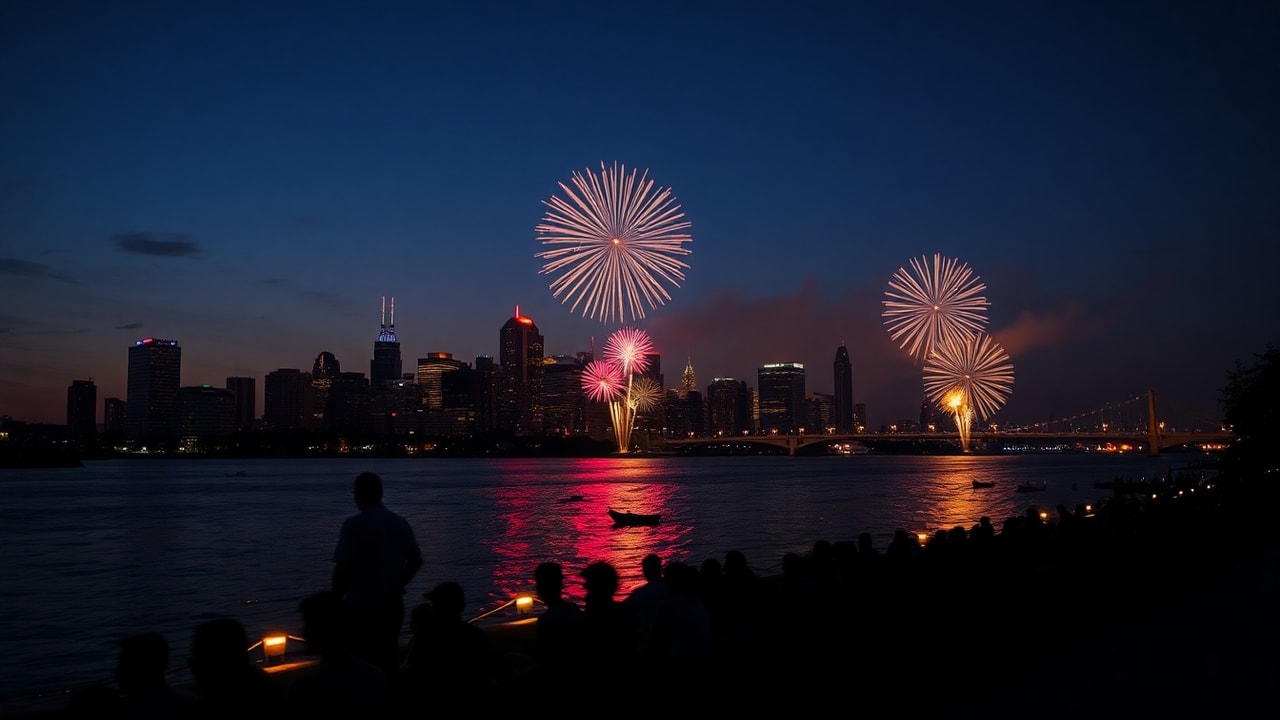
Detroit’s annual summer fireworks tradition returns in 2026 with the Detroit Ford Fireworks 2026 event expected to draw thousands along the city’s waterfront and nearby corridors. As with past big-city displays, the viewing experience will depend heavily on timing, weather, and traffic patterns—factors that can also affect public transit and neighborhood streets.
Organizers have not yet published every final detail for 2026, but Detroit residents can prepare now by planning around typical summer event logistics: where to watch before the crowd thickens, when to arrive, how to get there, and what to do if a route closes or parking fills quickly.
What to know before you go to the Detroit Ford Fireworks 2026
Here are the practical steps Detroiters say matter most for a safe, less stressful night out.
1) Confirm the official showtime and location. In many Detroit summer events, staging areas and viewing zones can change year to year due to shoreline conditions, public safety planning, or construction. Check the event’s official communications in the weeks leading up to the display and also monitor local alerts.
2) Plan your arrival window earlier than you think. Water-adjacent events often attract early arrivals for parking and front-row viewing. If you’re aiming for a specific shoreline spot—especially for families or mobility needs—arrive before peak crowd times. Detroit summer events frequently see congestion begin well before sunset, when roads tighten and pedestrian volume increases.
3) Expect traffic impacts and use alternate routes. Large fireworks events typically trigger temporary closures near the perimeter roads and parking areas. The City of Detroit generally coordinates event-day traffic management with partners, which can include reroutes, signage changes, and restricted access to certain blocks.
4) Use public transit when possible. For many Detroit fireworks nights, the most reliable option can be rail and bus corridors designed for event attendance. Using mass transit can also reduce the “gridlock wait” after the show ends, when vehicles exit the area at the same time.
5) Bring weather-proof essentials. In Detroit, summer weather can pivot quickly—especially with thunderstorm risk. Even if a show is not officially canceled, conditions can affect visibility and comfort. A light rain layer, portable charger, and a small blanket or folding chair can make a big difference.
Where to watch fireworks Detroit (and how to pick your spot)
When people search for where to watch fireworks Detroit, the answer is rarely one simple location; it’s usually about choosing the right viewing zone for your priorities—sound and sight lines, crowd tolerance, or ease of leaving afterward.
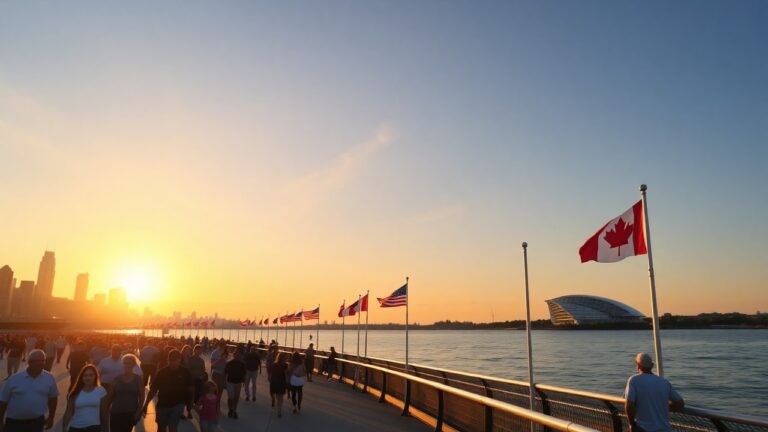
For Detroit summer events, shoreline viewing tends to offer a clear line of sight, but it can also mean higher pedestrian density and tighter access points. Residents who want a calmer experience may consider nearby viewing areas a short distance away, where they can still see the show while avoiding the tightest bottlenecks.
Tip for families: Look for spots with quick access to restrooms and safe walkways. If you’re bringing children, avoid rushing in at the last minute; once crowds form, moving in any direction can become slow.
Tip for photography: Most people shoot from the same height. If you’re trying to get a clean horizon line, scout your composition early and avoid last-minute crowd surges that can block your view.
Detroit Ford Fireworks show: local context and event details
The Ford fireworks show has long been part of a broader summer calendar in Detroit, typically drawing local residents, visitors, and families looking for a high-profile evening on or near the water. As Detroit continues to invest in downtown and waterfront revitalization, these events remain an important test of how well transportation planning and public-space management can handle large weekend crowds.
According to the Detroit Department of Transportation and the city’s broader event-coordination efforts in past high-attendance events, traffic management is designed to keep corridors moving while prioritizing pedestrian safety and access for emergency services. Residents should expect dynamic changes—such as shifting parking availability and temporary restrictions—that are updated closer to the event date.
Meanwhile, the U.S. Census Bureau has reported that the Detroit-Warren-Dearborn metropolitan area includes millions of residents in a wider region, which is a key reason these events draw attendees from outside the city proper. That regional draw is part of why logistics can feel bigger than local expectations: more cars enter at the same time, and more people walk longer distances from transit stops.
Local impact: what the fireworks night means for Detroit neighborhoods
Beyond the fireworks themselves, a Detroit summer event like this can influence daily routines in nearby neighborhoods.
Small businesses: Retailers, restaurants, and nearby bars often see spikes in foot traffic and reservations, especially for people who arrive early to eat or pick up supplies. Local chambers and business groups commonly note that event nights can be a valuable opportunity—though it also means some storefronts and streets may experience congestion. If you own or manage a small business near an impacted corridor, plan staffing and customer flow accordingly.
Residents and parking: Parking pressure can be intense on event evenings. Residents in affected areas typically experience higher demand for curb space and slower through-traffic. If your address is near an anticipated detour or pedestrian-heavy zone, review local notices ahead of time and consider alternative parking plans.
Waste and sanitation: Major events also require coordinated cleanup, and last-minute trash left behind can create longer-term neighborhood problems. Detroit city services and event partners generally plan for cleanup crews after large gatherings, but residents can help by using designated trash and recycling areas if they are available.
Background & data: planning for big crowds in Detroit
Detroit’s waterfront and downtown-adjacent corridors have become common destinations for summer events, which makes crowd planning increasingly important. Nationally, severe weather can disrupt outdoor events; locally, summer in southeast Michigan is known for periodic thunderstorms. That’s why event-day guidance often includes contingency plans—such as delays, modified viewing areas, or postponement—depending on conditions.
For transportation, the key takeaway is to think in layers: get to the general area early, then walk to your specific viewing point. That approach usually reduces the stress of trying to solve parking or route changes at the last minute.
Also, keep an eye on accessibility. Event organizers and the City of Detroit typically coordinate accessibility considerations for large public gatherings, but the practical experience can vary by block. If you or someone in your group needs accommodations, plan to arrive earlier and confirm where accessible pathways are expected to remain open.
What happens next for Detroit Ford Fireworks 2026
As the date approaches, residents should look for updates in three areas: official show timing, traffic and road closure maps, and public transportation recommendations. If you want to reduce uncertainty, sign up for event alerts and check city channels that post real-time or near-real-time guidance for major events.
Because 2026 details may be refined as staging plans and safety requirements are finalized, the best strategy is to treat the fireworks night like an “infrastructure event,” not just a casual outing: plan your route, build in extra arrival time, and prepare a backup weather plan.
For Detroit summer events, preparation usually makes the difference between a memorable evening and a frustrating one—especially when you’re focused on where to watch fireworks Detroit and how to get out afterward. With a little advance planning, the Detroit Ford Fireworks 2026 experience can be both safe and enjoyable for families, visitors, and longtime residents alike.