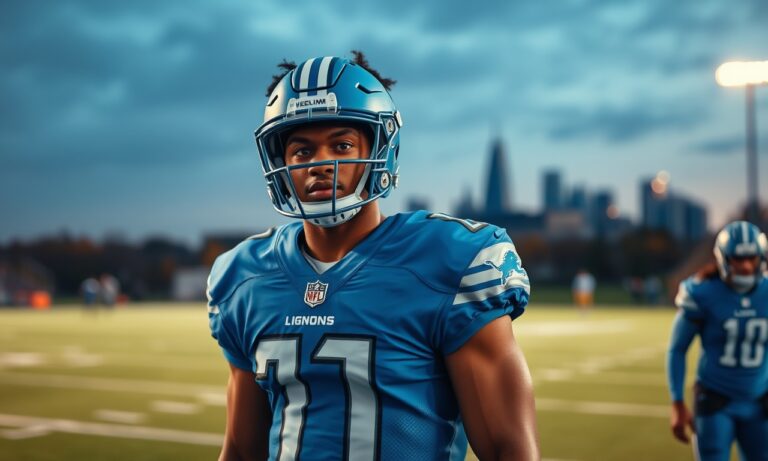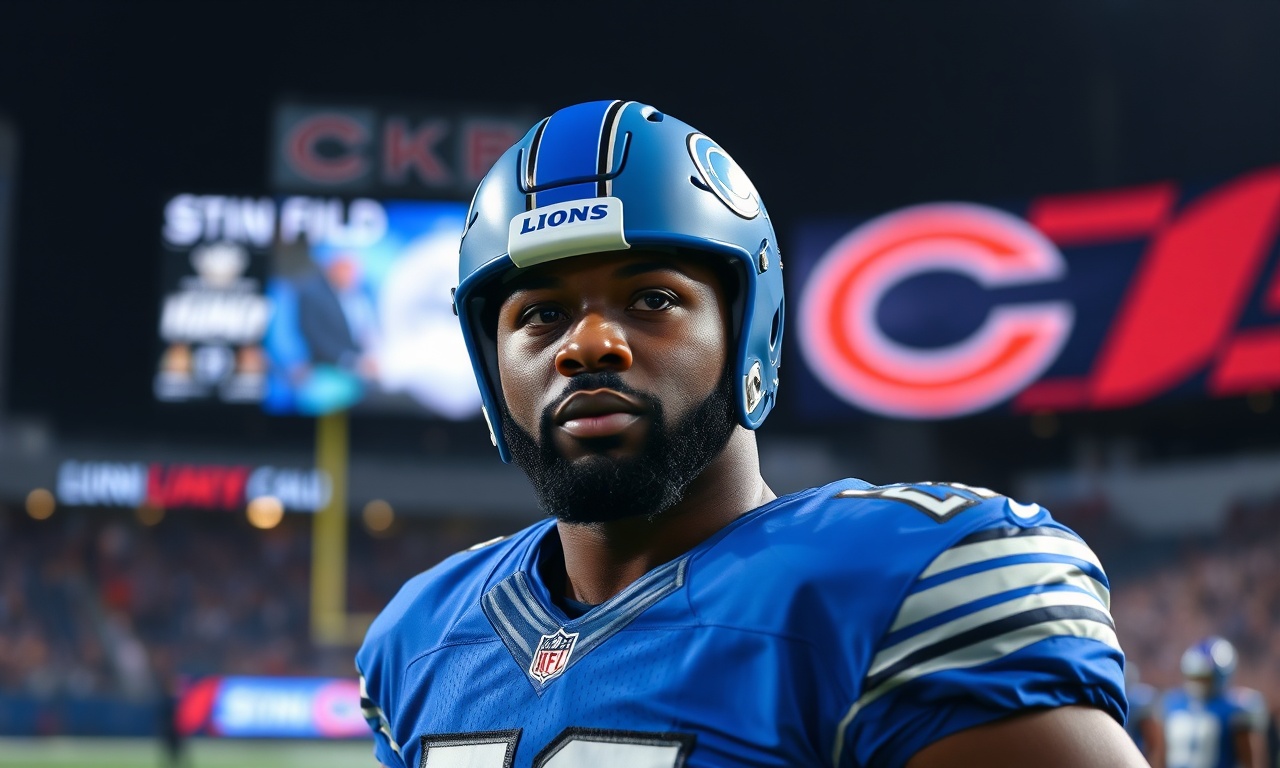
David Montgomery’s reaction to the trade that sent him to the Detroit Lions was raw enough that he said it “made me sick,” offering a rare glimpse into the emotional toll that can come with NFL offseason roster changes.
Speaking ahead of the 2024 season, Montgomery described the uncertainty and abruptness he experienced after the Chicago Bears moved him to Detroit, according to coverage of his comments. The remarks are now resurfacing as part of ongoing Montgomery trade update chatter during the NFL offseason news cycle—when fans watch for roster adjustments that can shift a team’s identity and on-field plans.
Montgomery: the trade felt like a gut punch
In comments widely reported by national sports outlets, David Montgomery said the Lions trade “made me sick,” reflecting the kind of shock players can feel when a move comes quickly and requires immediate adaptation. For Detroit fans, the statement lands with extra weight because it highlights that the players joining the Detroit football landscape are not insulated from the personal disruption of business decisions.
Montgomery’s description emphasized the human side of NFL transactions—especially for a running back whose role, preparation routine, and even surroundings can change overnight. His willingness to discuss the feeling publicly also provides context for how veterans sometimes evaluate a new locker room: not just scheme fit, but whether they can process the move and regain confidence fast enough to contribute immediately.
Why this matters in Detroit
Detroit has seen enough roster churn in recent years to understand that the front office’s “next steps” are inseparable from the players’ day-to-day realities. A statement like Montgomery’s can shape how fans interpret public optimism about trades, free agency signings, and camp performances.
It also matters because the Lions—contending consistently in the modern era’s upper tier—often rely on reliable execution at key positions. Running back touches, pass protection responsibilities, and late-game efficiency are not simply play-calling decisions; they’re also rooted in timing, trust, and the ability to absorb a new system quickly.
Montgomery’s move to the Lions: what it signaled
While Montgomery’s comments focused on the emotional impact, the underlying story for the Detroit Lions is what his arrival represented: Detroit acquiring a proven back capable of producing on the ground and staying relevant in third-down and pass-protection situations. For the Chicago Bears, the transaction also reflected the ongoing balancing act teams face—rebuilding priorities, salary cap management, and the willingness to pivot after difficult seasons.
According to reporting by The Associated Press, the NFL continues to treat the offseason as a period of strategic roster engineering, with teams making moves designed to improve matchups and reduce risk going into the new year. That general dynamic helps explain how a player can simultaneously be valued as a football asset while also feeling blindsided by how the move happens.
Impact on Detroit residents
In Detroit, the Lions aren’t just a sports franchise; they’re a civic touchstone. Game Sundays and postseason storylines can influence local culture, fan spending, and even how residents talk about the city’s momentum. When a new veteran arrives—especially one who has been part of the league in a significant way—there’s a ripple effect beyond the field.
For residents who follow the team closely, Montgomery’s remarks may reinforce empathy around the realities of professional sports. They also underscore that “Detroit football” optimism is built on people whose personal and professional lives can be disrupted by decisions made by executives.
From an economic standpoint, sports interest drives predictable demand around venues, merchandise, transportation, and hospitality on game days. The Detroit Regional Convention Facilities Authority and related local tourism reporting have long documented how major events and consistent sports seasons can contribute to hotel occupancy and visitor spending in the area—effects that are tied to fan engagement and expectations.
And because Detroit is a diverse, working-class city with deep identification with athletics, roster stories often become community conversations: about leadership, resilience, and how professionals adapt when circumstances change.
Background & data: the offseason churn is the norm
The NFL’s transaction pace is not unique to Detroit or Chicago. Data and analysis regularly show that teams restructure rosters each year through trades, free agency, and draft additions. According to the U.S. Bureau of Labor Statistics, job transitions in many industries can be disruptive, particularly when workers experience sudden changes in location, responsibilities, or schedules. While the BLS does not track NFL contracts specifically, its research on workforce transitions aligns with the broader idea that abrupt changes can carry emotional and logistical costs.
In the football context, a running back’s production depends on more than individual talent. Timing with offensive linemen, recognition of defensive fronts, trust in pass protection assignments, and comfort with play-call adjustments all grow over repeated practice reps—especially in August and early-season games. That’s why Montgomery’s comments, though personal, connect to a practical reality: even when a trade is framed as a football improvement, the adjustment period can be stressful.
What happens next for Montgomery and the Lions
For the Detroit Lions, the focus now is how Montgomery continues integrating—on the field and in the locker room—after a trade that still carries emotional weight for him. Lions coaches will likely emphasize preparation, consistency, and reducing mental friction so he can execute in a new system. Fans will look for signs that he’s comfortable with the offense’s rhythm and trust levels across the running game.
For Montgomery, the next phase is simple in concept but hard in practice: turn offseason noise into game-day execution. A public comment doesn’t change the playbook, but it can influence how media narratives frame his early training camp and preseason availability.
As this Montgomery trade update storyline continues circulating in NFL offseason news, Detroit residents may also watch how the Lions manage their backfield rotation—balancing snaps, managing wear, and deciding how quickly to give a veteran a lead role in high-leverage moments.
Local takeaway for Detroit football fans
Montgomery’s “made me sick” remark is a reminder that trades are not just tactical. They are personal transitions that test adaptability. For a city that rallies around the Lions as part of its identity, that human perspective may strengthen the connection between players and fans—especially as Detroit prepares for the next stretch of the season.