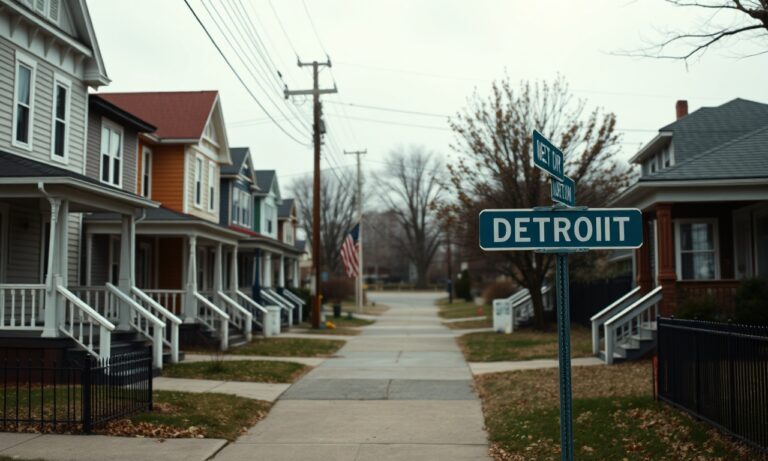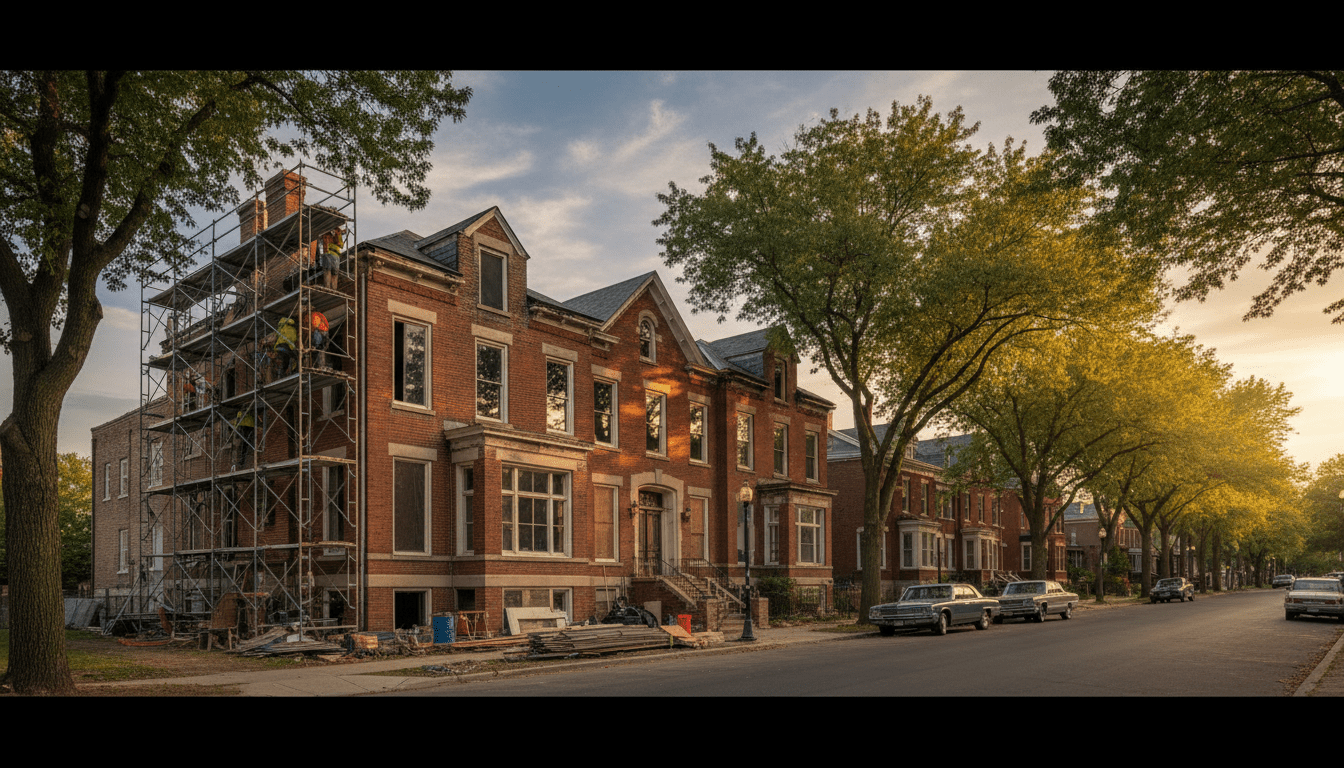
Detroit’s architectural landscape is often described as one of the finest in the United States, boasting a diverse inventory of pre-war housing stock that ranges from the grand mansions of Indian Village to the sturdy brick Tudors of the University District. However, renovating historic homes in Detroit is a process fraught with unique challenges, regulatory nuances, and economic hurdles that separate it from standard real estate development.
For decades, thousands of these structures sat vacant, victims of population decline and foreclosure. Today, as the city continues its stabilization efforts, the rehabilitation of these properties has moved to the forefront of Detroit’s housing strategy. According to data from the Detroit Land Bank Authority (DLBA), thousands of structures have been auctioned to private owners with the specific mandate of rehabilitation, yet the path from purchase to occupancy is rarely a straight line.
The Current Landscape of Historic Preservation
The appetite for restoration is visibly growing. In neighborhoods designated as Local Historic Districts, such as Boston-Edison, Sherwood Forest, and West Village, property values have seen significant appreciation. However, the process of renovating historic homes in Detroit requires navigating a strict set of guidelines enforced by the Detroit Historic District Commission (HDC).
Unlike properties outside these zones, homes within historic districts are subject to oversight regarding any changes to the exterior. This includes window replacements, roof repairs, and masonry work. The HDC’s mandate is to preserve the historical integrity of the city’s built environment. While this ensures that neighborhoods retain their character, it also imposes cost burdens on homeowners. Authentic materials often cost significantly more than modern vinyl or aluminum alternatives.
“The preservation standards are vital for maintaining what makes Detroit unique,” said a representative from a local preservation advocacy group during a recent community housing meeting. “But we have to acknowledge that for an individual homeowner, finding a contractor skilled in historic masonry or restoring original wood windows is both difficult and expensive.”
Recent reports indicate that while the supply of contractors in Detroit is increasing, there remains a shortage of tradespeople specialized in historic restoration, leading to project delays for residents eager to move in.
The Economic Challenge: The Appraisal Gap
Perhaps the most significant barrier to renovating historic homes in Detroit is the financing. For years, the city has battled the “appraisal gap”—a situation where the cost of renovating a home exceeds its post-renovation market value. This gap makes it difficult for homeowners to secure traditional mortgages or construction loans.
According to the City of Detroit Housing and Revitalization Department, bridging this gap has been a primary policy goal. Programs like the Detroit Home Mortgage and the 0% Interest Home Repair Loan Program have been instrumental, yet the sheer cost of materials—which has surged globally since 2020—continues to strain budgets.
For detailed analysis on how property values are shifting, readers can review our coverage on Detroit housing market trends, which highlights specific neighborhoods where the appraisal gap is beginning to close due to sustained investment.
Impact on Detroit Residents
The push for renovating historic homes in Detroit has a direct impact on long-time residents, not just newcomers. Stabilization of blighted properties is widely cited by neighborhood associations as a key factor in improving safety and community morale. When a vacant, deteriorating Victorian home is restored, it halts the decline of property values for adjacent neighbors.
However, the conversation is nuanced. Concerns regarding gentrification and displacement remain prevalent. As the cost of entry for renovating historic homes rises, there is anxiety that legacy residents—those who stayed through the city’s bankruptcy—might be priced out of their own communities due to rising property taxes.
To mitigate this, the city promotes Neighborhood Enterprise Zones (NEZ), which offer tax abatements to homeowners who rehabilitate properties. These abatements freeze the taxable value of the home for a set period, typically 15 years, allowing residents to improve their properties without facing an immediate tax hike. This tool is essential for ensuring that renovating historic homes in Detroit remains accessible to a broader demographic, not just wealthy developers.
Regulatory Hurdles and Blight Elimination
The intersection of renovation and blight elimination was heavily influenced by the passage of Proposal N in 2020, which authorized the city to sell bonds to fund the demolition of unsalvageable homes and the stabilization of salvageable ones. This has accelerated the pipeline of homes available for renovation.
The DLBA’s compliance program is another critical factor. Buyers of DLBA properties must agree to a compliance timeline, usually requiring a renovated occupancy permit within six to nine months. While extensions are often granted, the pressure to perform prevents speculators from hoarding properties—a problem that plagued Detroit for decades.
“The goal is occupancy, not speculation,” stated a DLBA spokesperson in a recent public update. The organization has emphasized that getting families into homes is the metric of success, rather than simply the number of properties sold.
Strategic Neighborhood Investment
Renovation efforts are not happening in a vacuum. They are often tied to the Strategic Neighborhood Fund (SNF), a partnership between the city and private investors to target specific areas for density and commercial corridor improvement. By concentrating resources, the city hopes to create environments where renovating historic homes is financially viable.
For example, in the Jefferson Chalmers neighborhood, renowned for its canal-lined streets and historic homes, issues with water infrastructure and flooding have complicated renovation efforts. Here, infrastructure upgrades must precede or happen alongside housing rehabilitation. You can read more about these infrastructure challenges in our report on Detroit infrastructure updates.
Looking Ahead
The future of renovating historic homes in Detroit relies on a delicate balance between strict preservation standards and economic pragmatism. As more neighborhoods seek historic designation to protect their character, the demand for skilled tradespeople and specialized financing products will likely increase.
Experts suggest that the next phase of Detroit’s recovery will see a shift from stabilizing individual vacant homes to filling in the “missing middle” density in historic areas. For now, the hammer swings and saw cuts heard in neighborhoods from Bagley to Brush Park signal that Detroit’s history is not just being remembered, but actively rebuilt.