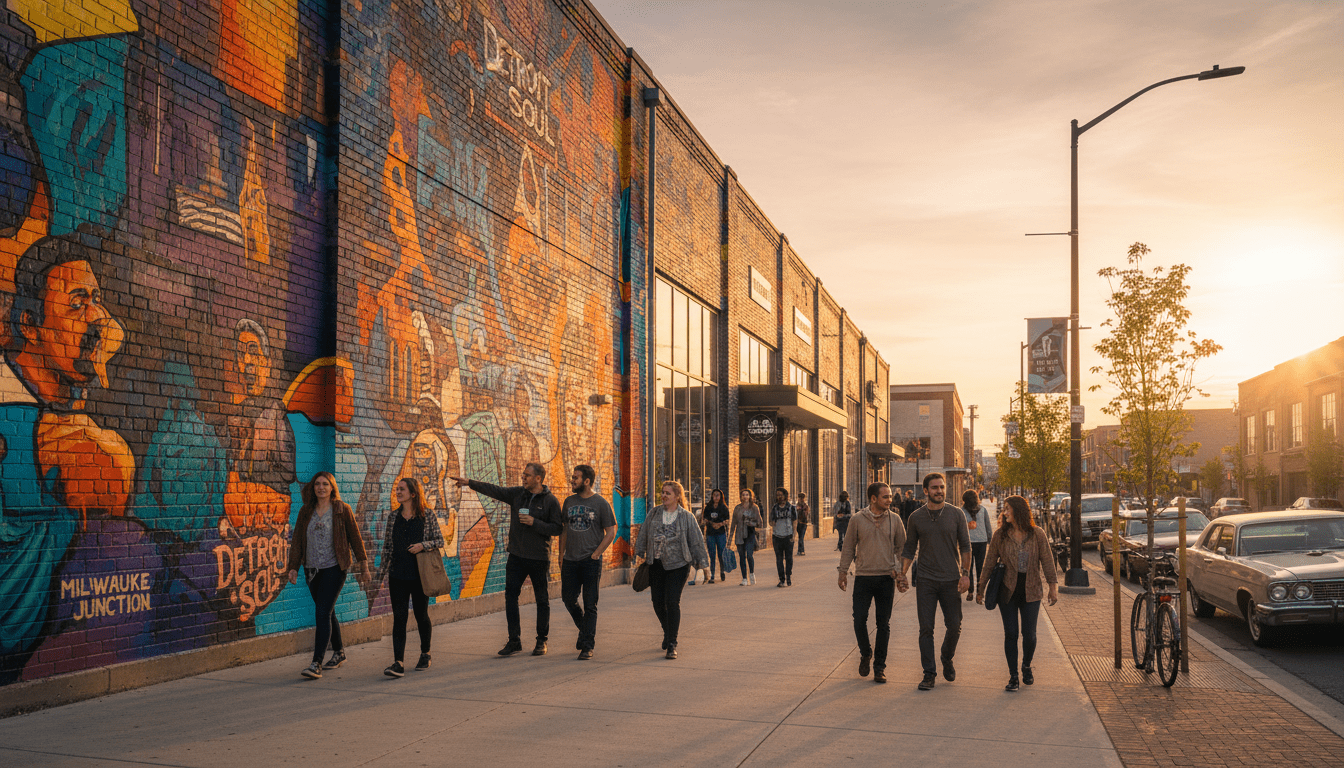
In the shadow of the historic Fisher Building, the streets of the Milwaukee Junction neighborhood are undergoing a quiet but distinct transformation. Once the beating heart of the automotive industry’s tool-and-die sector, these blocks are now humming with a different kind of production. From converted industrial lofts housing graphic design firms to the vibrant murals adorning the sides of previously vacant buildings, the Detroit creative economy is asserting itself as a pivotal driver of the city’s post-bankruptcy resurgence.
While the automotive industry remains a cornerstone of the region, data from local organizations and city officials suggests that the creative sector is no longer just a cultural amenity—it is a legitimate economic engine. With Detroit holding the distinction as the only UNESCO City of Design in the United States, local stakeholders are increasingly leveraging this status to attract investment, retain talent, and revitalize commercial corridors outside of the downtown core.
The Shift from Industry to Design
The narrative of Detroit’s artistic community has evolved significantly over the past decade. According to Design Core Detroit, a steward of the UNESCO designation, the city’s design economy generates billions in revenue annually and employs tens of thousands of people across southeastern Michigan. This sector encompasses architecture, digital media, landscape design, and industrial manufacturing, blurring the lines between traditional fine arts and commercial enterprise.
City officials have taken note of this upward trend. The establishment of the Office of Arts, Culture and Entrepreneurship (Detroit ACE) marked a turning point in how the municipal government interacts with local creatives. Rather than viewing arts funding as discretionary charity, the city has begun to integrate creative infrastructure into broader economic development strategies.
“We are seeing a strategic shift where art is treated as essential infrastructure,” stated a representative from a local community development corporation in the North End. “When a neighborhood has visible public art, functional design, and creative spaces, property values stabilize and foot traffic for small businesses increases. It is a ripple effect.”
Impact on Detroit Residents
For long-time residents, the expansion of the Detroit creative economy offers both opportunities and complex challenges. On the ground level, the most visible impact has been the City of Detroit’s “Arts Alleys” initiative. By transforming neglected alleyways into rain gardens and performance spaces, the program aims to turn blight into community assets. Residents in areas like Jefferson Chalmers and Southwest Detroit have reported that these interventions not only beautify the block but also improve safety through increased lighting and activation.
However, the influx of creative capital raises valid concerns regarding affordability. As artists move into neighborhoods seeking lower rents, development often follows, which can lead to rising housing costs. Local advocacy groups emphasize the need for policies that protect legacy residents while welcoming new creative energy. To read more about how housing trends are affecting these specific areas, see our report on Detroit housing market shifts.
Furthermore, workforce development within the creative sector is becoming a priority. Programs funded by philanthropic organizations are increasingly focused on ensuring that Detroit youth have access to the digital tools and training necessary to enter fields like UX design and animation, ensuring the economic benefits of this growth remain within the city.
Background & Data: The Kresge Effect
A significant portion of the stability within the local arts ecosystem can be attributed to sustained philanthropic support. The Kresge Foundation has been a primary benefactor through its Kresge Arts in Detroit program. Since 2008, the program has awarded millions of dollars in unrestricted grants to local artists. Unlike project-based funding, these grants allow artists to cover living expenses, effectively acting as venture capital for the micro-businesses that individual artists run.
According to data released by Kresge Arts in Detroit, the organization has awarded over $8 million to nearly 350 artists over the last 15 years. This infusion of capital creates a safety net that allows the creative sector to survive economic downturns that might otherwise decimate the community. Additionally, the growth of small business grants in the city has frequently overlapped with creative ventures, allowing galleries and studios to open brick-and-mortar locations in neighborhoods like the Avenue of Fashion.
What Happens Next
Looking ahead, the integration of art and industry appears set to deepen. The Michigan Central Station innovation district, led by Ford, has explicitly included public art and maker spaces in its site plans, signaling that major corporate players recognize the value of a vibrant cultural scene in attracting top-tier tech talent.
However, the sustainability of the Detroit creative economy will likely depend on continued collaboration between the public and private sectors. With the city preparing for upcoming budget cycles, arts advocates are pushing for permanent line-item funding for cultural maintenance. As the definition of “industry” in Detroit continues to expand beyond the assembly line, the city’s ability to support its designers, painters, and musicians will be a critical metric of its overall economic health.