A sweeping transformation is underway in the heart of Midtown, where Detroit museums and cultural institutions are collaborating on an ambitious plan to reshape the city’s historic Cultural Center. Led by the Cultural Center Planning Initiative (CCPI), major institutions including the Detroit Institute of Arts (DIA), the Charles H. Wright Museum of African American History, and the Michigan Science Center are working to physically and programmatically unify the district.
For decades, Detroit’s premier cultural assets have operated largely as islands—magnificent structures separated by wide roads, surface parking lots, and limited pedestrian connectivity. Now, backed by significant funding from philanthropic organizations like the Ralph C. Wilson, Jr. Foundation, the district is evolving into a cohesive, walkable campus designed to serve both local residents and international tourists.
According to Midtown Detroit, Inc., the organization spearheading the planning, the goal is to create a distinct sense of place that encourages exploration between institutions. The initiative represents one of the most significant urban design projects in the city, aiming to turn the 83-acre district into a connected landscape of art, history, and community gathering spaces.
The Vision: A Connected Cultural Center
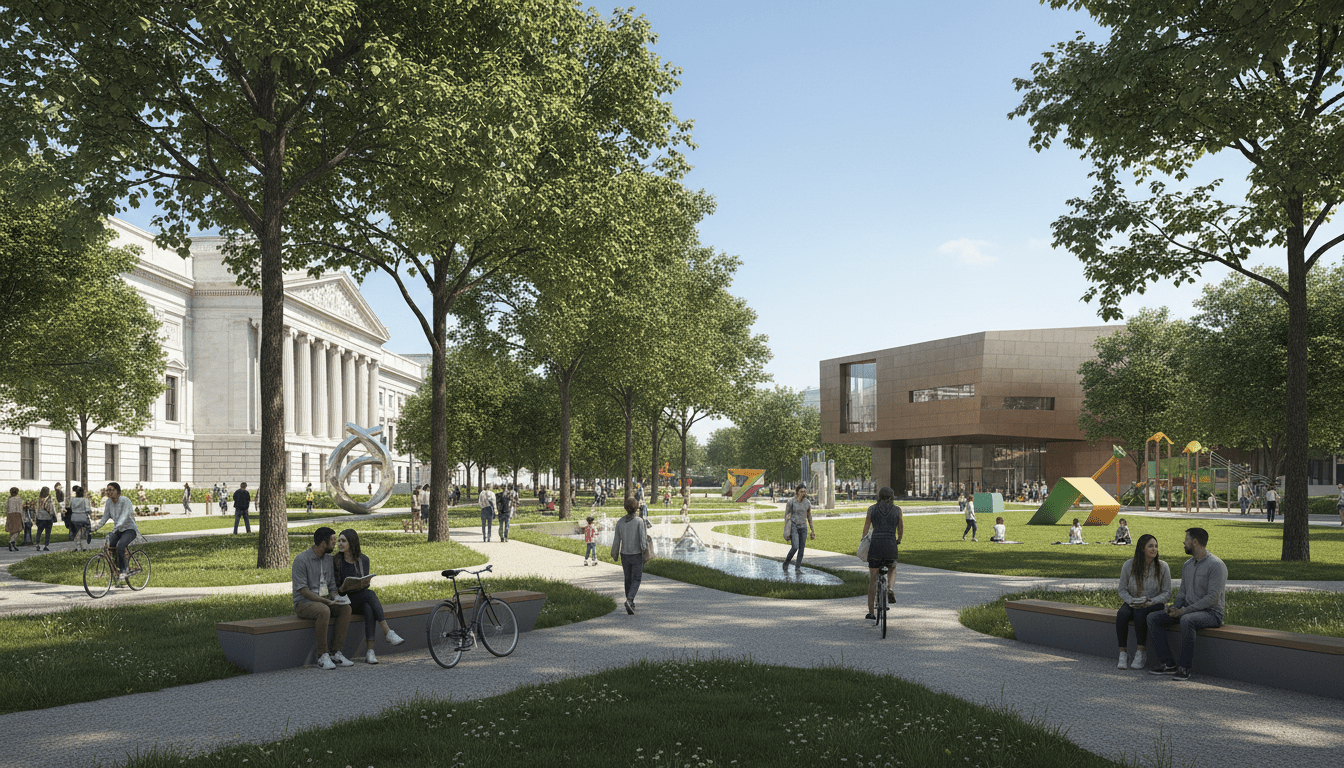
The centerpiece of this transformation involves a redesign of the landscape connecting 12 separate educational and cultural institutions. In 2019, an international design competition selected a concept by landscape architecture firm Agence Ter, known for its work in Paris and Shanghai. Their vision, dubbed “The Square,” emphasizes replacing concrete with green space, installing outdoor art installations, and unifying the digital infrastructure of the area.
While the pandemic slowed initial timelines, planning and infrastructure work have continued. A key component of the project involves narrowing the wide avenues that currently slice through the district, particularly around the DIA and the Wright Museum, to prioritize pedestrian safety and outdoor programming.
“The idea is to break down the walls, literal and figurative, between these institutions,” a spokesperson for the planning initiative indicated in project documentation. “We want a visitor to leave the Science Center and naturally drift toward the Historical Museum or the DIA without feeling like they are crossing a highway to get there.”
Impact on Detroit Residents
For longtime Detroiters, the changes promise more than just aesthetic upgrades. A primary focus of the reimagined Detroit museums district is accessibility and inclusion. The initiative includes plans for free outdoor Wi-Fi across the campus, aiming to bridge the digital divide for residents in surrounding neighborhoods.
Furthermore, the physical changes are designed to support outdoor festivals and community events that do not require an admission ticket. By creating high-quality public spaces similar to Campus Martius but located in Midtown, the project aims to provide a “backyard” for local residents.
This physical connectivity complements the financial accessibility already in place. The tri-county arts millage, approved by voters, ensures that residents of Wayne, Oakland, and Macomb counties receive free general admission to the DIA. Similarly, the Charles H. Wright Museum has expanded its community outreach, hosting frequent educational events that engage Detroit Public Schools Community District students.
Residents can learn more about other Detroit neighborhoods undergoing similar revitalization efforts to understand how these infrastructural changes might influence property values and community cohesion.
Expanding the Narrative: The Wright and Motown
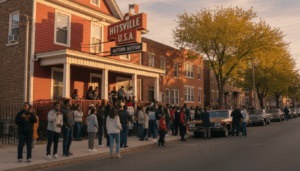
Beyond the landscape architecture, individual institutions are expanding their footprints. The Charles H. Wright Museum of African American History continues to curate world-class exhibitions that center Detroit’s role in global history. Meanwhile, just a short distance from the main Cultural Center, the Motown Museum is nearing the completion of its massive $65 million expansion, known as Hitsville NEXT.
The Motown Museum expansion serves as a critical anchor for cultural tourism in the Northwest Gold Coast area, further solidifying the city’s status as a global cultural capital. Local historians note that connecting the narrative between the music history on Grand Boulevard and the art and history collections on Woodward Avenue is essential for telling the full story of Detroit.
Economic Data and Tourism Trends
The economic stakes of these developments are high. Cultural tourism is a vital engine for the Detroit economy. Data from the Detroit Metro Convention & Visitors Bureau suggests that cultural travelers typically spend 60% more per trip than other types of travelers. By creating a denser, more navigable museum district, the city hopes to increase the “dwell time” of visitors—encouraging them to stay longer, eat at local restaurants, and stay in Midtown hotels.
Pre-pandemic figures showed the DIA alone attracting hundreds of thousands of visitors annually. As travel rebounds, city officials anticipate that a unified district could significantly boost those numbers. Reports from the City of Detroit consistently highlight that distinct, walkable districts are key drivers for small business growth in adjacent corridors.
What Happens Next
While the full realization of the Cultural Center’s landscape redesign is a multi-year process, smaller changes are already visible. Pop-up installations, improved lighting, and digital programming are rolling out incrementally. Fundraising continues to support the major infrastructure overhauls required to alter the streetscapes.
As construction schedules are finalized, residents should expect road adjustments along Woodward, Farnsworth, and Kirby streets. The ultimate result will be a museum district that functions not just as a collection of buildings, but as a vibrant, cohesive public asset for the entire region.