As temperatures drop across Southeast Michigan, the City of Detroit and its partners are launching an ambitious slate of cold-weather programming designed to keep residents active through the freeze. From the revitalized riverfront to neighborhood sledding hills, Detroit parks winter activities are seeing a significant boost in funding and organization this season, reflecting a broader strategy to utilize public spaces 12 months a year.
Officials from the Detroit Parks & Recreation Department and non-profit partners like the Detroit Riverfront Conservancy have announced the return of popular staples, such as the ice rink at Campus Martius and the winter festivals at Valade Park, alongside new initiatives aimed at increasing accessibility for residents in neighborhoods outside the downtown core.
Riverfront and Downtown Take Center Stage
The anchor of the city’s winter strategy remains the downtown corridor. The Downtown Detroit Partnership (DDP) has officially opened the rink at Campus Martius, a venue that draws thousands of visitors annually. According to data released by the DDP in previous seasons, winter foot traffic in the downtown business district relies heavily on these activations to support local restaurants and retailers during the slower post-holiday months.
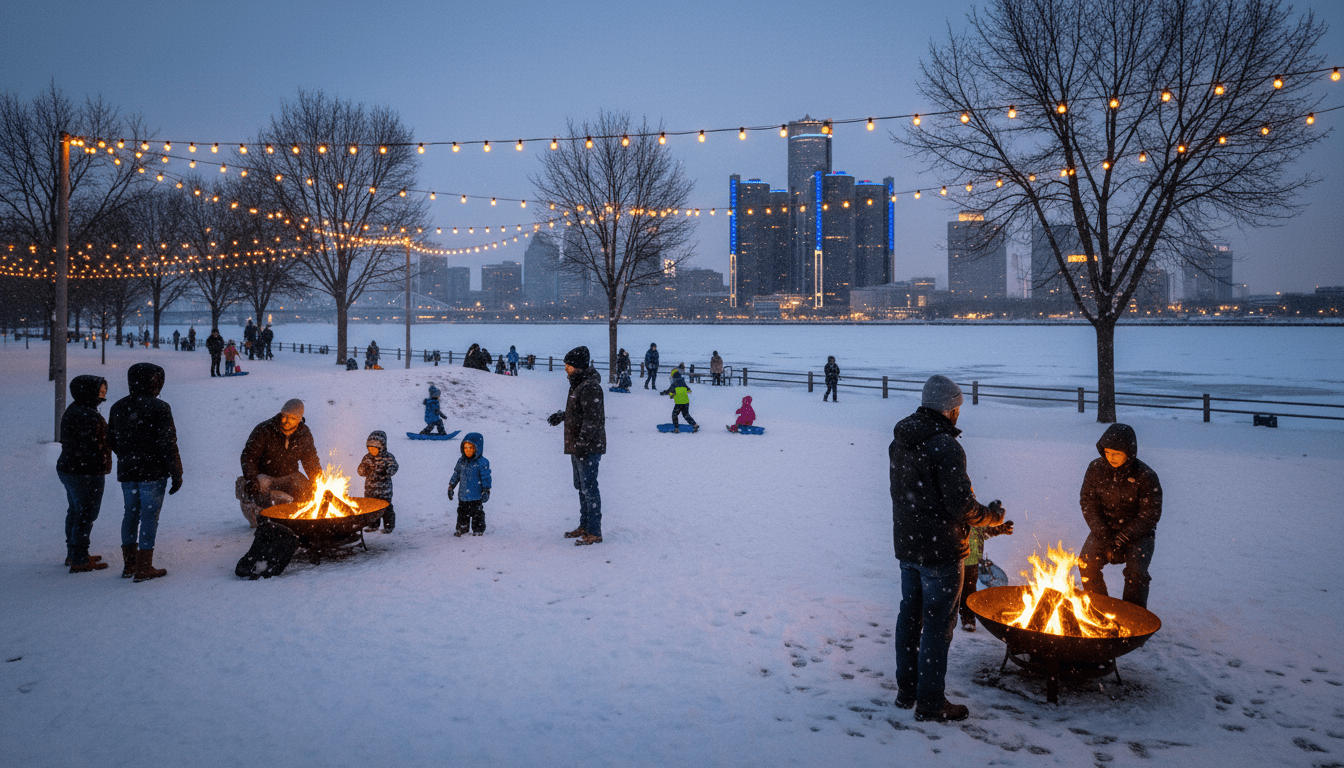
Further south, the Detroit Riverfront Conservancy is once again transforming Robert C. Valade Park into a winter destination. The park, located on Atwater Street, hosts the “Winter at Valade” series. This initiative addresses a long-standing complaint among residents regarding a lack of river access during winter. The programming includes giant outdoor fireplaces, oversized board games, and a synthetic ice rink for curling.
“Our goal has always been to make the riverfront a gathering place for everyone, regardless of the season,” a representative for the Detroit Riverfront Conservancy said in a press statement regarding the season launch. “Winter at Valade proves that Detroiters are eager to embrace the cold if you give them a warm, welcoming environment to do it in.”
Neighborhood Sledding and Skating Options
While downtown draws headlines, the City of Detroit is emphasizing decentralized recreation. Neighborhood parks are being prepped for what officials hope will be a snowy season suitable for sledding. Traditional favorites like Balduck Park on the East Side and Rouge Park on the West Side remain primary destinations for families.
The city has also maintained its partnership with the Clark Park Coalition in Southwest Detroit. Clark Park operates one of the few regulation-sized outdoor hockey rinks in the region, serving as a critical hub for youth hockey programs. According to city reports, maintenance of these community rinks is a priority item in the Parks & Recreation budget, ensuring that Detroit parks winter activities are not exclusive to tourists but serve long-term residents.
Additionally, the Department of Neighborhoods has indicated that snow maintenance crews will prioritize clearing parking lots adjacent to major parks to ensure safe access for vehicles, a move responsive to resident feedback from last year’s heavy snow events.
Impact on Detroit Residents
The expansion of winter programming is more than just leisure; it is a public health imperative. Public health experts have long noted that physical activity levels in northern climates tend to plummet between November and March, contributing to seasonal affective disorder (SAD) and weight gain.
By providing free or low-cost access to equipment—such as the “Sled Shed” at Valade Park which offers free sleds for children—the city is attempting to remove economic barriers to winter sports. For families in developing Detroit neighborhoods, these resources provide essential outlets for children during school breaks.
Local business owners are also feeling the impact. Coffee shops and pop-up food vendors stationed near these parks report higher revenue during event weekends. “When the parks are active, the community is active, and that circulation of people is vital for small businesses trying to survive the winter gap,” said a local vendor operating near the Riverwalk.
Background & Data: The Economics of Winter Parks
Investments in winterizing urban parks have shown a high return on investment in similar municipal climates like Minneapolis and Chicago. Data from the Trust for Public Land suggests that year-round park usage correlates with higher property values and increased community cohesion.
In Detroit, the shift toward winter activation began in earnest following the renovation of the Riverwalk. The Conservancy reports that visitation numbers for Valade Park have grown steadily year-over-year since the introduction of winter weekends. Furthermore, the City of Detroit’s strategic plan for parks explicitly mentions “season extension” as a key metric for success.
However, challenges remain. Variable weather patterns caused by climate change make ice maintenance difficult. The reliance on artificial cooling systems for rinks like Campus Martius is energy-intensive, and unseasonably warm weeks can dampen turnout for snow-dependent activities like sledding and snowshoeing.
What Happens Next
Looking ahead, the city is preparing for the completion of the Ralph C. Wilson Jr. Centennial Park on the West Riverfront. Once opened, this 22-acre space is expected to dramatically increase the footprint for Detroit parks winter activities, featuring a massive destination playground and expansive lawns capable of hosting winter festivals.
For the remainder of the current season, residents can expect a rolling schedule of events, including the return of the Fire & Ice Festival and various neighborhood pop-ups. City officials advise residents to check the Detroit Parks & Recreation website for real-time updates on rink conditions and event cancellations due to weather.
As Detroit continues to rebuild its infrastructure, the normalization of winter recreation signals a city that is becoming more livable and vibrant year-round, reclaiming the season as a time for community connection rather than hibernation.