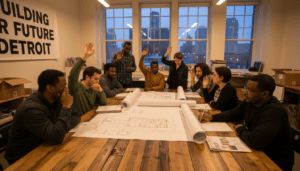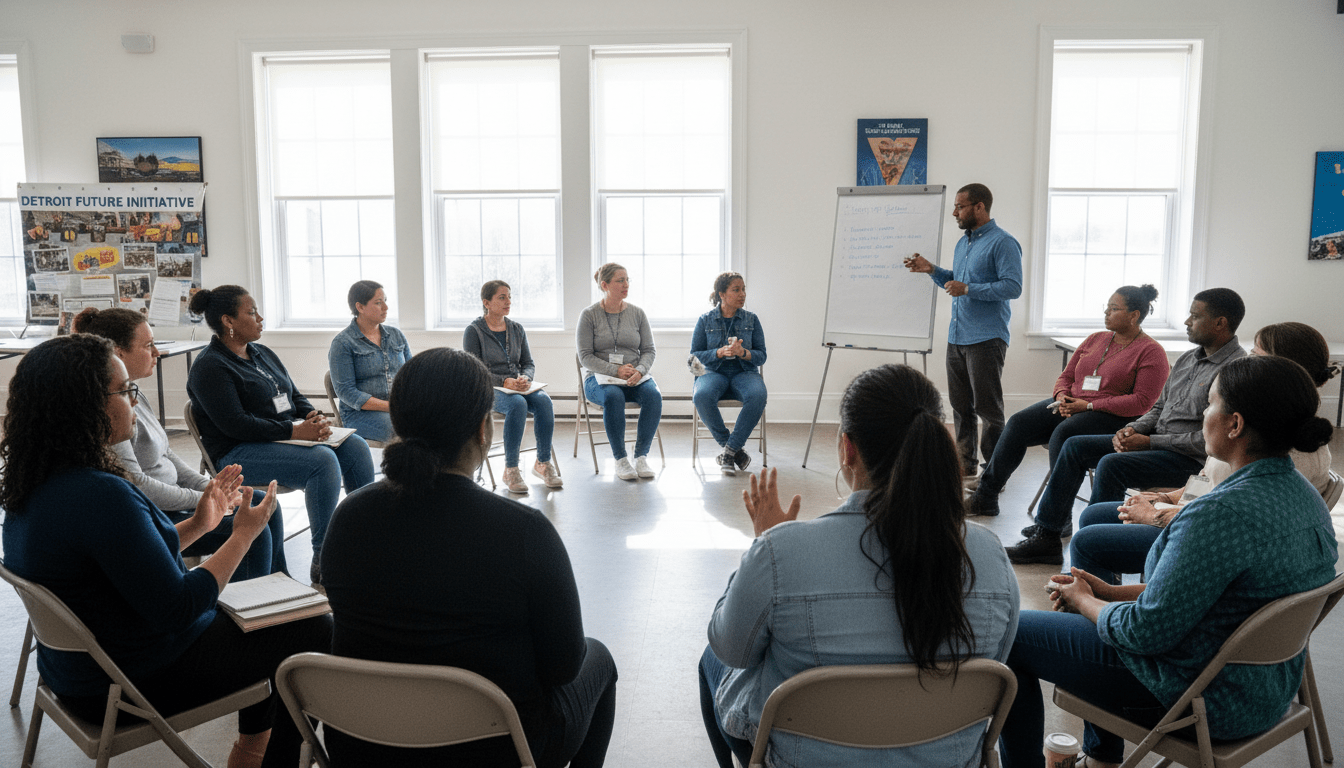
In a move designed to bridge the gap between city officials, private developers, and long-time residents, a coalition of Detroit-based community organizations, in partnership with the Department of Neighborhoods, has announced a comprehensive new initiative aimed at facilitating inclusive group discussions during critical urban planning meetings. The program, set to roll out across District 1 through District 7 this month, addresses long-standing concerns that traditional town hall formats often sideline marginalized voices in favor of the loudest stakeholders.
The initiative, titled “Detroit Voices United,” focuses on training block club captains and community liaison officers in advanced mediation and facilitation techniques. The goal is to transform contentious zoning and development hearings into productive dialogues where every resident’s input is recorded and considered. With billions in development dollars flowing into neighborhoods outside of downtown/Midtown, ensuring equitable feedback loops has become a top priority for local leaders.
Shifting the Dynamic of Civil Discourse
For years, community engagement meetings in Detroit have occasionally been characterized by high tensions, particularly regarding gentrification and displacement concerns. According to recent data from the Detroit Community feedback logs, nearly 40% of residents reported feeling “unheard” or “overlooked” during public comment periods in 2023. The new framework for facilitating inclusive group discussions seeks to dismantle the traditional podium-and-audience structure, replacing it with smaller, facilitator-led breakout sessions.
“We are moving away from the model where officials talk at residents,” said a representative from a leading Detroit civic engagement nonprofit. “The new standard is about talking with residents. Facilitating inclusive group discussions means creating an environment where a senior citizen in Islandview feels just as empowered to speak as a developer from out of state. It requires structure, patience, and intentional design.”
The training curriculum includes modules on active listening, managing power dynamics, and using non-digital feedback methods to include residents who may lack internet access. By standardizing these practices, organizers hope to gather more granular data on what residents actually want—whether it’s affordable housing, green spaces, or commercial corridor improvements.
Impact on Detroit Residents
For the average Detroit resident, this shift promises a tangible change in how their neighborhood evolves. In areas like Strategic Neighborhood Fund zones, decisions regarding landscape design, retail tenants, and traffic calming measures often hinge on community approval. Under the new guidelines, facilitators are trained to actively solicit opinions from quieter attendees, ensuring that the feedback report reflects a true consensus rather than the views of a vocal minority.
Local business owners in the Jefferson Chalmers area expressed optimism about the changes. During pilot sessions held last month, participants noted that the atmosphere was less adversarial. “It felt like we were actually problem-solving together,” one longtime resident and business owner stated. “Usually, I leave these meetings frustrated. This time, I felt like my concerns about parking and foot traffic were actually written down and addressed.”
This approach is particularly critical as the city navigates the complexities of the Land Value Tax proposal and ongoing blight remediation efforts. Clear communication channels are essential to prevent misinformation and build trust between the administration and neighborhoods.
Background and Data
The push for facilitating inclusive group discussions is backed by research from urban planning experts who argue that traditional public hearings are often performative. A study cited by local urban advocates suggests that participatory planning leads to projects that are 30% more likely to succeed long-term because the community feels a sense of ownership.
According to the City of Detroit Department of Neighborhoods, effective community engagement is a cornerstone of the city’s revitalization strategy. The department has increasingly utilized District Managers to serve as direct conduits to the mayor’s office. However, the varying quality of meetings across different districts highlighted the need for a standardized approach to facilitation.
The “Detroit Voices United” curriculum draws on methodologies used successfully in other major cities facing rapid redevelopment, such as Atlanta and Philadelphia, but adapts them to the specific cultural and historical context of Detroit. Key elements include:
- Rotational Speaking Orders: Ensuring no single person dominates the microphone.
- Visual feedback tools: Using maps and stickers for residents to physically mark areas of concern.
- Anonymous comment cards: allowing those uncomfortable with public speaking to contribute equally.
What Happens Next?
The city-wide rollout of these facilitation standards will continue throughout the year. The first cohort of trained community facilitators will begin moderating meetings for the upcoming budget priority sessions next month. Organizers are also looking to integrate these practices into the Detroit City Council’s evening community meetings.
While challenges remain—specifically regarding funding for ongoing training and ensuring consistent implementation—the commitment to facilitating inclusive group discussions marks a significant cultural shift in Detroit’s governance. As development accelerates, the ability to hold difficult conversations constructively will likely define the stability and happiness of Detroit’s neighborhoods for the next decade.
Residents interested in becoming volunteer facilitators can reach out to their local District Manager’s office or participating local nonprofits for certification details.