Despite legislative reforms intended to curb skyrocketing premiums, car insurance Michigan rates continue to burden Detroit residents, maintaining the city’s status as one of the most expensive places in the United States to own a vehicle. For many Detroiters, the promise of the 2019 bipartisan auto insurance overhaul has yielded mixed results, with inflation and medical costs driving premiums back up in recent months.
The persistent issue of affordability is reshaping household budgets across Wayne County. While the introduction of Personal Injury Protection (PIP) choice was designed to lower the barrier to entry for legal driving, data suggests that the cost of coverage in Detroit remains disproportionately high compared to the rest of the state and the country. As we move through 2024, local leaders and economic analysts are taking a hard look at why relief has been elusive for the city’s motorists.
The Current State of Car Insurance in Michigan
Michigan has historically been an outlier in the auto insurance market due to its unique no-fault system, which previously required every driver to purchase unlimited lifetime medical benefits. The 2019 reform, signed by Governor Gretchen Whitmer, allowed drivers to opt for lower levels of medical coverage to save money on the PIP portion of their bill. While this initially resulted in refunds from the Michigan Catastrophic Claims Association (MCCA) and a temporary dip in average premiums, the trajectory has since reversed.
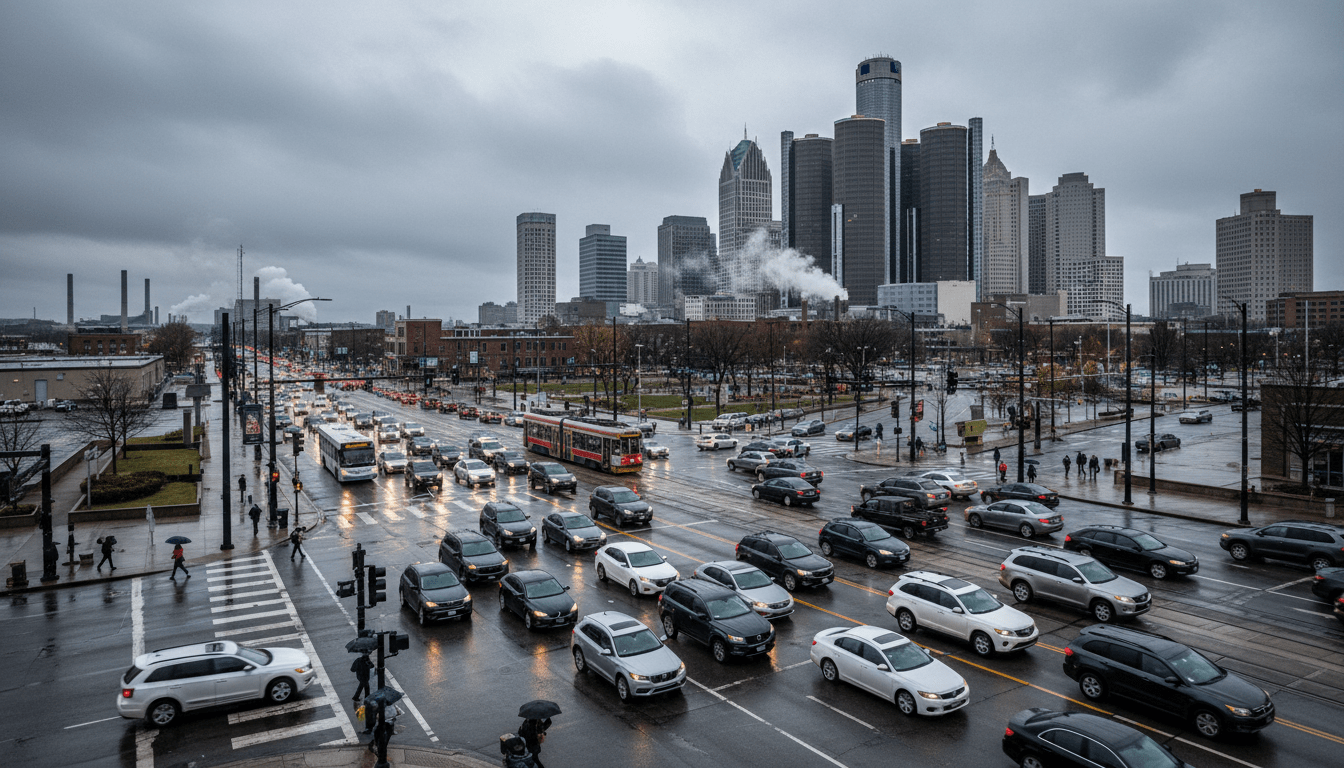
According to recent market analysis, car insurance in Michigan is still among the costliest in the nation. For Detroit specifically, the disparity is stark. Reports indicate that Detroit drivers often pay premiums that are more than double the state average. This is attributed to a complex mix of high claim severity in urban areas, increased litigation costs, and the rising price of vehicle repairs.
Officials from the Michigan Department of Insurance and Financial Services (DIFS) have continued to encourage residents to shop around and verify that they are receiving the mandated rate reductions on PIP lines. However, critics argue that the savings on one portion of the bill have been swallowed up by increases in bodily injury liability and collision coverage.
Why Detroit Rates Refuse to Drop
The question frustrating many residents is why their bills remain high despite the legislative changes. Insurance experts point to several factors that specifically disadvantage Detroit.
Territorial Rating: Insurance companies in Michigan are permitted to use non-driving factors, such as location (zip code) and credit scores, to determine rates. In Detroit, where credit scores may average lower than in affluent suburbs and where the density of traffic leads to a statistically higher probability of accidents, these factors compound to keep prices elevated.
The Uninsured Feedback Loop: A significant portion of Detroit drivers remain uninsured due to affordability. This creates a feedback loop: because there are more uninsured drivers on the road, insured drivers must pay more for “uninsured motorist” protection, which drives prices up further, causing more people to drop coverage. Local community organizers have long cited this cycle as a primary barrier to economic mobility in the city.
Furthermore, medical inflation has outpaced general economic inflation. Even with fee schedules implemented for medical providers treating auto accident victims, the cost of healthcare remains a massive driver of total claims costs. This reality forces insurers to keep reserves high, preventing drastic rate reductions.
Impact on Detroit Residents
The high cost of Detroit economy mobility is felt daily by residents like Marcus Thorne, a resident of the grandale neighborhood. Thorne, who commutes to Troy for work, noted that his insurance payment is nearly equal to his car note.
“We were told the laws changed and bills would go down,” Thorne said in an interview regarding local transit costs. “But when my renewal came, it went up by $40 a month. I have a clean record, but because of where I live, I’m paying a premium that feels like a second rent payment.”
This sentiment is echoed by poverty researchers. The University of Michigan’s Poverty Solutions initiative has previously highlighted that auto insurance affordability is a civil rights issue in Detroit. Without a car, access to higher-paying jobs in the suburbs is limited due to the region’s fragmented public transportation system. When insurance costs consume a large percentage of a worker’s income, it stifles local spending power and keeps families in financial precarity.
Recent Legal and Financial Developments
In mid-2023, the Michigan Court of Appeals issued a ruling regarding the fee schedules for medical providers, creating uncertainty about future costs. While the ruling aimed to ensure accident victims have access to care, insurance industry representatives warned it could lead to higher premiums to cover the increased reimbursement rates for brain and spinal cord injury rehabilitation.
Additionally, the MCCA—the body that manages the fund for catastrophic injuries—has had to adjust its per-vehicle assessment fees. While refunds were issued during the pandemic, the fund must remain solvent to pay for lifetime care for those injured before the 2019 reforms. This balancing act means Detroiters likely won’t see the MCCA fee disappear from their bills anytime soon.
Looking Ahead: Is More Reform Needed?
As the local infrastructure improves and Detroit attracts new development, the pressure is on Lansing to revisit insurance regulations. Some Detroit lawmakers have advocated for the elimination of non-driving factors in rate setting, arguing that a driver’s credit score or education level has no bearing on their likelihood of causing an accident.
Until further legislative action is taken, experts recommend Detroit drivers take specific steps to mitigate costs:
- Review PIP Options: Ensure you are not over-insured if you have qualifying health coverage (Medicare or qualified employer plans) that covers auto accidents.
- Bundle Policies: Combining renters or homeowners insurance with auto policies can yield discounts.
- Shop Aggressively: Loyalty penalties exist; staying with the same carrier for years often results in “price creep.”
For now, the reality remains that for car insurance Michigan stands as a complex, expensive landscape, with Detroit at its epicenter. Whether market competition or further government intervention will eventually lower costs remains the key question for the city’s economic future.