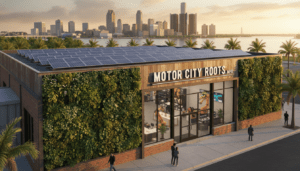




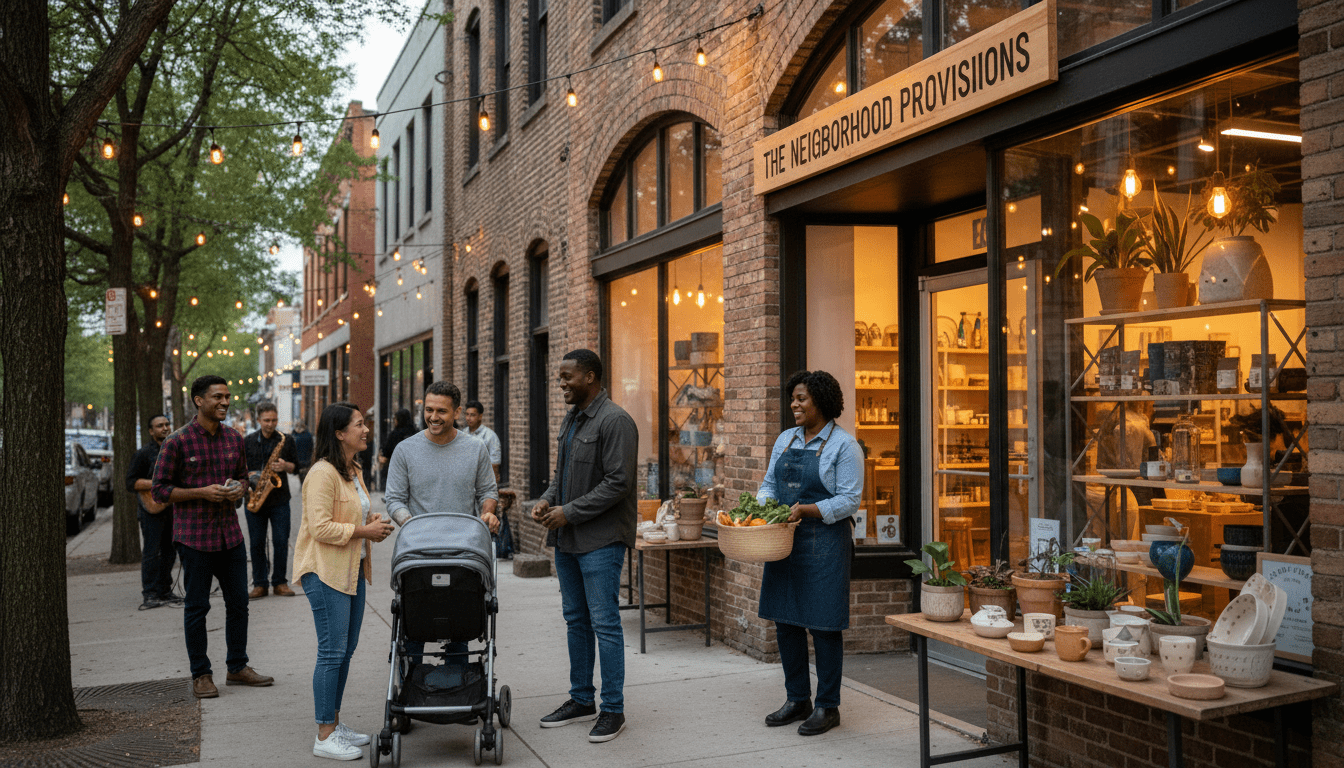
In the wake of a decade-long economic resurgence, the landscape for every Detroit business has shifted dramatically. No longer satisfied with generic goods and services, the city’s consumer base is increasingly driving a demand for hyper-local, authentically branded enterprises that reflect the unique grit and history of the Motor City. As new developments rise from Corktown to the Avenue of Fashion, economic experts are emphasizing that a strong brand identity is not merely a marketing asset—it is a prerequisite for survival in Detroit’s evolving market.
According to recent reports from the Detroit Economic Growth Corporation (DEGC), the influx of small business capital into neighborhood corridors has created a more competitive environment. For entrepreneurs, this means the barrier to entry is no longer just financial; it is cultural. Strategies that work in other major metropolitan areas often fall flat in Detroit if they lack a distinct connection to the community.
The ‘Detroit Brand’ Phenomenon
Marketing analysts define brand identity not just as visual aesthetics, but as the cohesive narrative a business tells its customers. In Detroit, that narrative is inextricably linked to the city’s ethos of resilience. Local business advocates suggest that successful brand building in the region relies heavily on transparency and community integration.
“Detroit consumers are incredibly sophisticated when it comes to detecting inauthenticity,” stated a representative from TechTown Detroit during a recent roundtable on small business sustainability. “A business that attempts to parachute into a neighborhood without acknowledging its history or engaging with long-time residents often struggles to gain traction. The brands that succeed are the ones that view themselves as community partners rather than just service providers.”
This sentiment is backed by consumer behavior trends. Data indicates that Detroit residents are more likely to support businesses that source materials locally or participate in neighborhood improvement initiatives. This ‘circular economy’ approach is becoming a defining feature of the local marketing strategy.
Impact on Detroit Residents
The push for stronger brand identities among local businesses has tangible effects on Detroit residents. When businesses focus on brand building that highlights local culture, it often leads to the preservation of neighborhood character, countering the generic effects of gentrification seen in other cities. Furthermore, distinct branding often correlates with higher revenue, allowing these businesses to offer better wages and employment opportunities to locals.
For the consumer, this shift means access to a more diverse marketplace. From artisanal coffee shops in Midtown to manufacturing startups in the Milwaukee Junction, the emphasis on unique brand identity provides residents with options that keep their dollars circulating within the city limits. This stands in contrast to national chains, where profits are frequently expatriated.
Readers interested in the broader economic implications of these trends can review our previous coverage on neighborhood commercial corridor developments and how they are reshaping the city’s tax base.
Digital Presence vs. Physical Community
While the emotional connection is vital, the technical execution of a Detroit business strategy remains critical. In a post-pandemic economy, a digital footprint is essential, yet local experts warn against relying solely on social media algorithms.
Local marketing consultants point out that for Detroit-based companies, the ‘phygital’ approach—blending physical community presence with digital engagement—yields the highest return on investment. A report on digital equity highlights that while online engagement is up, word-of-mouth remains the most powerful driver of sales in Detroit’s neighborhoods.
Key elements of this hybrid strategy include:
- Localized SEO: ensuring businesses appear in “near me” searches specific to Detroit neighborhoods.
- Storytelling Content: utilizing video and text to share the founder’s journey and connection to the city.
- Event Participation: active presence at local staples like Eastern Market or the Detroit Jazz Festival.
For more on how infrastructure supports these physical connections, read our report on public transit expansion and its impact on foot traffic for small businesses.
Background & Data: The Numbers Behind the Brand
The economic argument for investing in brand identity is supported by hard data. According to the U.S. Census Bureau’s Annual Business Survey, minority-owned businesses in the Detroit metro area—which rely heavily on community-centric branding—have shown resilience despite national economic headwinds. Furthermore, programs like Motor City Match have awarded millions in grants, specifically targeting businesses that demonstrate a clear vision and viability within their specific neighborhoods.
Statistics show that businesses with a documented brand strategy are 2.5 times more likely to secure funding from local Community Development Financial Institutions (CDFIs) compared to those that do not. Lenders view a strong brand not just as a logo, but as proof of market research and customer understanding.
What Happens Next for Detroit Entrepreneurs
As the city prepares for major events like the NFL Draft and continuing developments around the Ford Michigan Central Station, the spotlight on Detroit businesses will intensify. Experts predict a surge in national interest, which presents both an opportunity and a threat.
Local brands will need to fortify their identities to stand out against potential national competitors entering the market. The consensus among economic developers is clear: the businesses that double down on their Detroit roots—making that identity central to their value proposition—will be best positioned to leverage this new attention for small business success.
Ultimately, building a brand in Detroit is less about following a global template and more about listening to the local rhythm. As the city continues its trajectory of growth, the businesses that thrive will be those that reflect the tenacity and creativity of Detroiters themselves.