As temperatures begin to shift in Southeast Michigan, the City of Detroit is preparing for a significant increase in outdoor engagement through a series of infrastructure upgrades and seasonal program launches. According to the Detroit General Services Department, the city is prioritizing the maintenance and activation of over 300 public parks, reflecting a broader strategy to enhance the quality of life for residents and stimulate local economic activity during the warmer months.
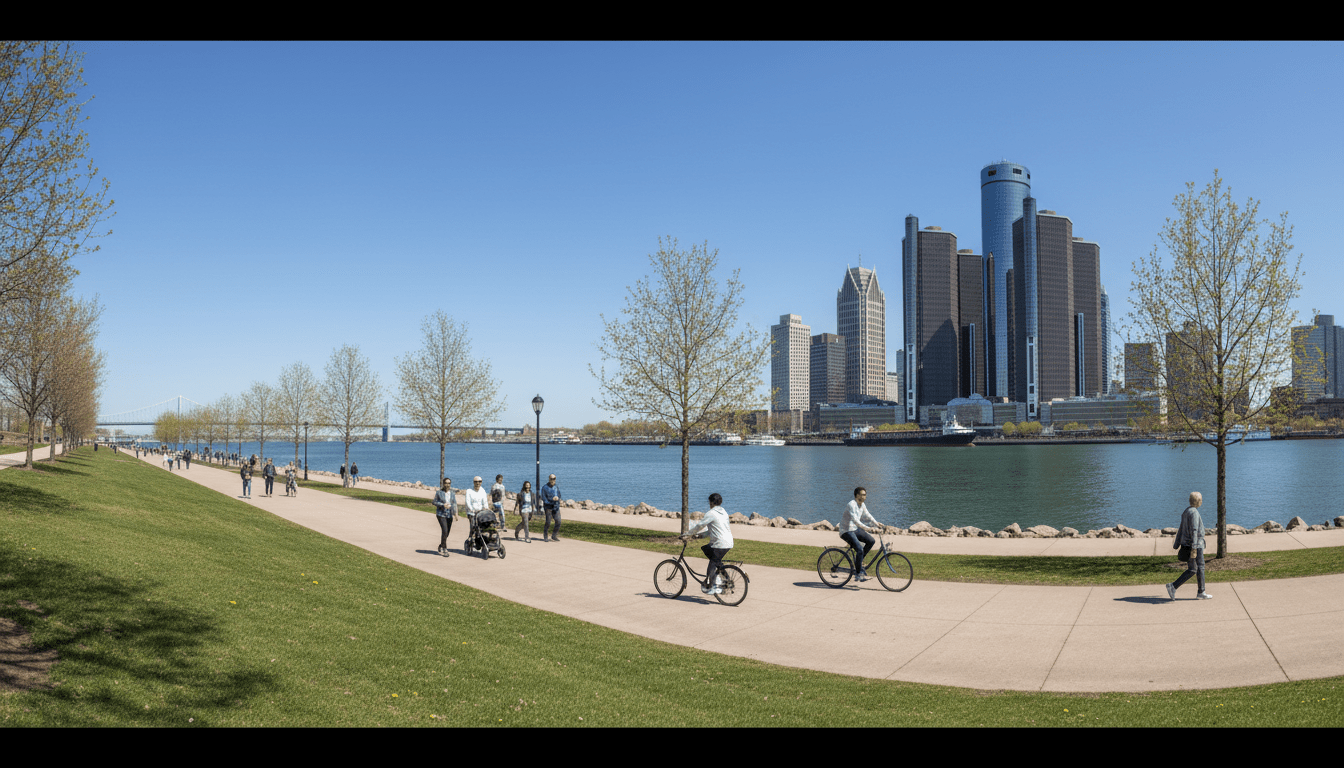
The transition into the spring season marks a pivotal moment for Detroit’s urban planning and recreation sectors. With the Detroit Riverfront consistently ranked as one of the best in the nation, the Detroit Riverfront Conservancy has announced a robust schedule of maintenance and expansion projects. These initiatives are designed to accommodate the hundreds of thousands of visitors expected to return to the city’s shorelines and greenways as the frost thaws.
Strategic Investments in Detroit Outdoor Activities
The focus on Detroit outdoor activities this year is supported by substantial funding from the Strategic Neighborhood Fund and the American Rescue Plan Act (ARPA). These funds have been earmarked for various improvements, including the installation of new playground equipment, the restoration of walking trails, and the beautification of community gardens across all seven city districts.
City officials have identified 12 key project areas that are receiving prioritized attention this spring. These include the continuing development of the Joe Louis Greenway, upgrades to Rouge Park, and the expansion of the Dequindre Cut. By focusing on these hubs, the city aims to create a cohesive network of green spaces that connect disparate neighborhoods to the city’s central core. Public records from the City of Detroit show that park equity remains a central theme, ensuring that revitalization efforts are not limited to the downtown corridor but are felt in areas like Brightmoor, Jefferson-Chalmers, and the University District.
Impact on Detroit Residents
For many Detroiters, the accessibility of high-quality outdoor spaces is more than a matter of recreation; it is an issue of public health and community safety. Local neighborhood associations have noted that well-maintained parks often lead to a decrease in localized crime and an increase in community cohesion. “When we invest in our parks, we are investing in the people who live next to them,” a representative from a local neighborhood block club stated during a recent planning meeting.
The availability of Detroit outdoor activities also serves as a critical economic driver for small businesses. Mobile food vendors, bike rental shops, and local retailers often see a surge in revenue that correlates with the reopening of public plazas and the commencement of seasonal outdoor markets. Furthermore, the development of the Joe Louis Greenway is expected to increase property values in adjacent neighborhoods, providing long-term financial benefits to homeowners who have remained in the city during its various economic cycles.
Background and Data: The Economic Value of Green Space
Data from the Trust for Public Land highlights that cities with strong park systems see significant returns on investment through improved health outcomes and environmental benefits, such as reduced urban heat island effects. In Detroit, the expansion of the riverfront has already catalyzed billions of dollars in private investment in the housing and hospitality sectors. According to a report by the Detroit Riverfront Conservancy, the continued development of the West Riverfront—including the highly anticipated Ralph C. Wilson, Jr. Centennial Park—is expected to further solidify Detroit’s reputation as a premier destination for outdoor tourism.
Internally, the city’s focus on neighborhood development has shown that residents prioritize walkable environments. Surveys conducted by the City of Detroit Planning and Development Department indicate that over 70% of residents consider proximity to a park a “very important” factor in their satisfaction with their neighborhood. This data has driven the city’s “10-minute walk” initiative, which aims to ensure every Detroiter lives within a short walk of a high-quality park or green space.
What Happens Next
Looking ahead, the city plans to host a series of ribbon-cutting ceremonies throughout May and June as specific park projects reach completion. Residents are encouraged to monitor the Detroit Parks and Recreation portal for updates on seasonal hiring for park maintenance and recreation leads. Additionally, the city is exploring new public-private partnerships to ensure the long-term sustainability of these spaces, moving away from a reliance on one-time federal grants.
As the city pivots toward summer, the focus will shift from infrastructure construction to active programming, including outdoor concerts, fitness classes, and educational workshops. The integration of Detroit outdoor activities into the city’s daily life remains a cornerstone of the current administration’s plan to revitalize Detroit as a modern, sustainable metropolis. For more information on how these developments affect your specific area, visit our section on the Detroit local economy.
The success of these spring initiatives will likely serve as a blueprint for future urban greening projects across the Midwest, demonstrating that strategic investment in public infrastructure can yield significant social and economic dividends.