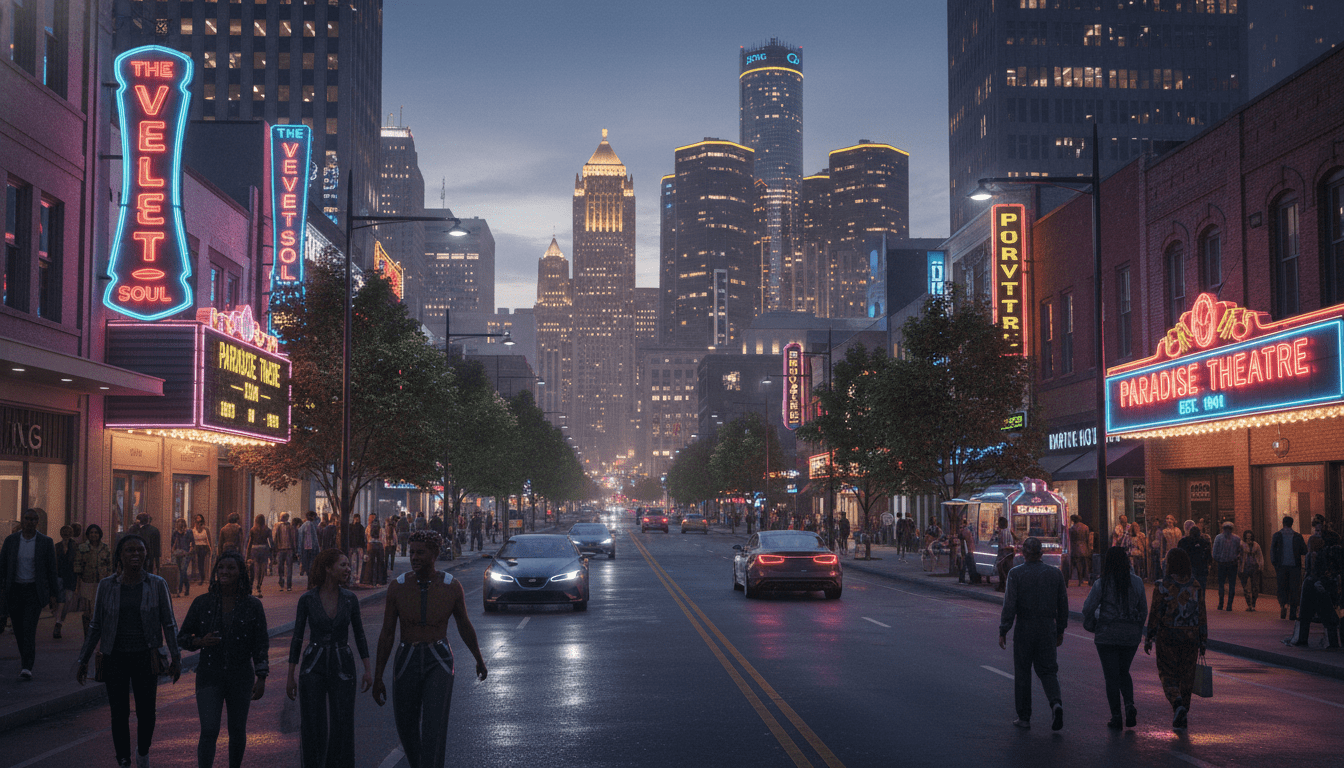
As Detroit moves through 2026, the city’s social and economic landscape has been fundamentally reshaped by a surge in hospitality investment and a strategic overhaul of its entertainment districts. What was once a collection of isolated pockets of activity has evolved into a cohesive, multi-billion dollar economy. This transformation, driven by both private developers and municipal initiatives, has turned Detroit nightlife into a primary pillar of the city’s post-industrial identity.
The Expansion of Entertainment Hubs and Hospitality Investment
The growth of Detroit nightlife in 2026 is most visible in the maturation of the District Detroit and the continued expansion of the Corktown corridor. According to the Detroit Economic Growth Corporation (DEGC), the city has seen a 22% increase in liquor license applications and hospitality-related permits over the last 24 months. This uptick represents more than just new bars; it signifies a massive influx of capital into historically underutilized spaces.
Major projects that broke ground years ago are now fully operational, bridging the gap between the downtown core and surrounding neighborhoods. The integration of high-end lounges, live music venues, and tech-integrated entertainment spaces has created a diverse ecosystem that caters to both international tourists and local residents. Reporting from local news outlets indicates that the city’s strategy to promote ’24-hour city’ dynamics has successfully increased foot traffic in the Central Business District by nearly 30% compared to 2023 levels.
Impact on Detroit Residents and Labor Markets
The revitalization of the entertainment sector is not merely a win for developers; it has profound implications for the local workforce. Data from the U.S. Bureau of Labor Statistics and local analysis suggests that the hospitality sector in Southeast Michigan now accounts for one of the largest shares of entry-level and mid-management job growth in the region. For many Detroiters, this has meant increased access to employment within walking distance of residential zones.
Beyond employment, the city has focused on the ‘Night Time Economy’ initiative, led by the Mayor’s Office of Arts, Culture, and Entrepreneurship. This initiative has implemented better late-night transit options and increased lighting in entertainment corridors to ensure that the growth of Detroit nightlife remains safe and accessible. Local residents have noted that the revitalization of neighborhoods like Livernois and the North End has brought back a sense of community vibrancy that had been missing for decades.
However, this growth is not without its challenges. Rising commercial rents in hotspots like Midtown have led to concerns about the displacement of legacy businesses. The City of Detroit has responded with the ‘Legacy Business Program,’ which provides grants and low-interest loans to long-standing establishments to ensure they can compete alongside new, higher-budget venues. You can read more about the city’s efforts to balance development in our previous coverage of Detroit business growth strategies.
Data and Trends: A Statistical Shift
The shift in how people consume entertainment in Detroit is backed by hard data. According to a 2025 report from the U.S. Census Bureau regarding metropolitan business patterns, the Detroit-Warren-Dearborn area has outperformed several peer cities in the Midwest in terms of hospitality revenue per capita. This is largely attributed to the synergy between the city’s sports stadiums and its burgeoning culinary scene.
Furthermore, the diversification of the nightlife economy has seen a move away from traditional nightclubs toward multi-use spaces. In 2026, over 40% of new entertainment venues in Detroit are classified as ‘hybrid,’ offering a combination of workspace by day and social lounge by night. This trend reflects the changing work habits of a younger, more mobile demographic that has relocated to the city for roles in the burgeoning tech and electric vehicle sectors. Our analysis of downtown development trends highlights how these mixed-use projects are stabilizing the city’s tax base.
Infrastructure and Future Outlook
As the city looks toward the late 2020s, the focus has shifted toward the sustainability of these entertainment districts. The Detroit Department of Transportation (DDOT) has recently expanded its ‘Night Owl’ bus service routes to better serve the workers who staff these establishments. Public-private partnerships are also exploring the implementation of more dedicated ride-share zones to decrease traffic congestion during peak hours on Friday and Saturday nights.
City Council members have expressed that the next phase of development will focus on spreading this economic success further into the outer neighborhoods. The goal is to replicate the success of the downtown core in areas that have yet to see significant hospitality investment. By leveraging tax abatements and community benefits agreements, the city aims to ensure that the evolution of Detroit nightlife remains an inclusive engine for prosperity.
Conclusion
Detroit in 2026 stands as a model for how a city can leverage its cultural heritage to build a modern, resilient economy. The growth of the nightlife and entertainment sector is no longer just about weekend leisure; it is a sophisticated industry providing thousands of jobs, driving infrastructure improvements, and enhancing the quality of life for residents across the city. As investment continues to flow, the challenge will remain in ensuring that this growth is managed equitably, preserving the soul of Detroit while embracing its future as a premier entertainment destination.