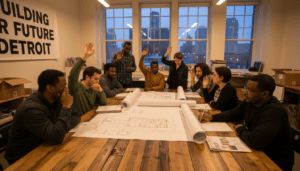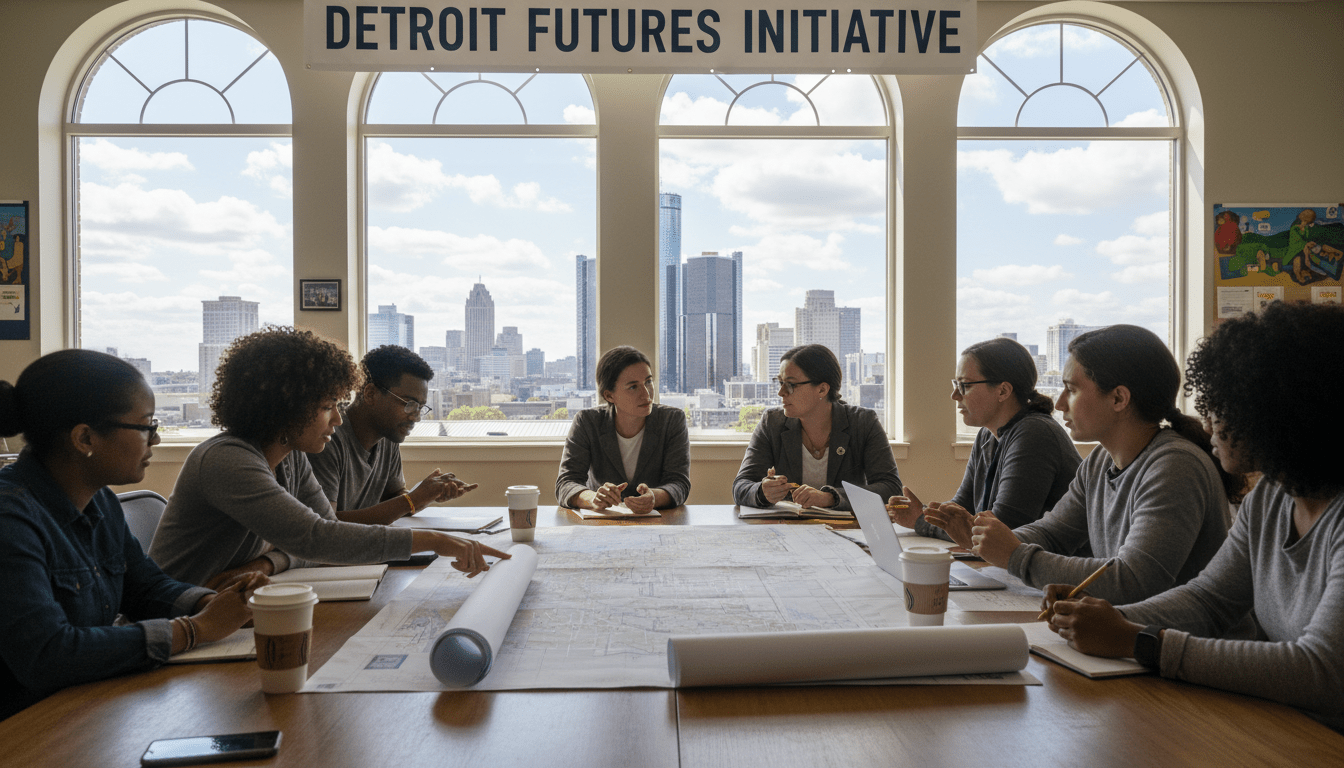
In the bustling community centers of Northwest Detroit and the crowded Zoom rooms of District 5, a subtle shift is occurring in how the city conducts business with its residents. For years, the standard model of civic participation involved town halls, PowerPoint presentations, and microphone lines. However, as Detroit enters a critical phase of its Master Plan update and various Strategic Neighborhood Fund initiatives, local leaders are facing a new challenge: sustaining group energy in the face of widespread “planning fatigue.”
With dozens of development projects, zoning updates, and infrastructure overhauls simultaneously vying for public attention, city officials and community organizers are adopting new techniques to manage group dynamics. The goal is to move beyond mere attendance numbers and focus on sustaining deep, meaningful engagement over the long haul. According to representatives from the Department of Neighborhoods, the old methods of information delivery are no longer sufficient to keep residents motivated through multi-year revitalization processes.
The Challenge of Sustaining Momentum in Detroit Community Engagement
The concept of “group energy”—a term often reserved for corporate boardrooms or organizational psychology—has become increasingly relevant in Detroit’s civic landscape. The City of Detroit has launched extensive engagement campaigns in recent years, asking residents to weigh in on everything from park designs to corridor improvements. While initial meetings often draw large crowds, maintaining that enthusiasm over an 18-month planning cycle is difficult.
“We see a lot of passion in the beginning, especially when a project is first announced,” said a spokesperson for a local block club association in the Fitzgerald neighborhood. “But by the fourth or fifth meeting, when we are getting into the weeds of zoning codes or construction timelines, the energy drops. We have had to find ways to keep people feeling like their presence still matters just as much on day 200 as it did on day one.”
Data from the Detroit Future City center has long highlighted the importance of civic trust. Without consistent engagement, residents can feel disconnected from the changes happening in their backyards. To combat this, organizers are shifting away from lecture-style formats toward co-design workshops that prioritize active participation over passive listening.
Techniques for Managing Group Energy
To keep Detroit neighborhoods engaged, facilitators are utilizing specific strategies designed to manage the collective energy of the room. One key technique is the implementation of “feedback loops” where residents see their suggestions implemented in real-time or receive direct explanations for why certain ideas cannot be executed. This transparency helps prevent the cynicism that often drains group energy.
Another shift is the move toward smaller, decentralized focus groups rather than massive, monolithic town halls. By breaking large crowds into smaller working groups, organizers report that quieter voices are amplified, and the collective energy remains higher because participants feel a stronger sense of ownership over the discussion.
“It is about changing the dynamic from ‘us telling you’ to ‘us working with you,'” explained a project manager involved in the Joe Louis Greenway development. “When people feel they are actually building something, rather than just approving it, the energy sustains itself. It becomes a creative process rather than a bureaucratic one.”
Impact on Detroit Residents
For the average Detroit resident, these changes in Detroit community engagement mean that their interactions with city government are becoming more interactive and less draining. Instead of sitting through two hours of speeches, residents attending planning meetings for areas like the Rosa Parks/Clairmount neighborhood are increasingly engaging in mapping exercises, visual preference surveys, and walking tours.
This approach has tangible impacts on outcomes. When group energy is sustained, the resulting plans tend to be more detailed and reflective of specific community needs. For instance, recent renovations in neighborhood parks have included unique amenities requested during high-energy design sessions—amenities that might have been overlooked in a standard, low-engagement consultation process.
Furthermore, this shift is critical for the local economy. As reported in our coverage of Detroit development projects, developers are increasingly required to sign Community Benefits Agreements. The strength of these agreements relies heavily on a community’s ability to stay organized, energized, and engaged throughout the negotiation process. Techniques that prevent burnout are therefore not just administrative preferences; they are economic tools for neighborhoods.
Background & Data
The urgency to refine these engagement strategies is backed by demographics. According to U.S. Census Bureau data, Detroit’s population has stabilized after decades of decline, but the demographic composition is shifting. Engaging a diverse mix of long-time residents and newer arrivals requires a nuanced approach to communication.
A recent report from the University of Michigan’s urban planning researchers suggests that “meeting fatigue” is a primary barrier to equitable development in post-industrial cities. The report notes that when engagement processes are too lengthy or repetitive, lower-income residents with less free time are the first to drop out, skewing the data toward those with more resources. By streamlining meetings and focusing on high-impact interactions—effectively managing the group’s time and energy—Detroit officials aim to ensure more representative outcomes.
What Happens Next
Looking ahead, the City of Detroit is expected to ramp up engagement efforts for the comprehensive update of the Master Plan of Policies. This document will guide land use and development for decades to come. To ensure this process is successful, the Department of Neighborhoods and the City Planning Commission will likely double down on these energy-sustaining strategies.
Residents can expect to see more hybrid meeting options, the use of digital polling tools to capture immediate sentiment, and a continued focus on “pop-up” engagement at local festivals and grocery stores, rather than relying solely on evening meetings at recreation centers. The ultimate goal is to create a civic infrastructure where engagement is energized, efficient, and deeply effective for the future of the city.