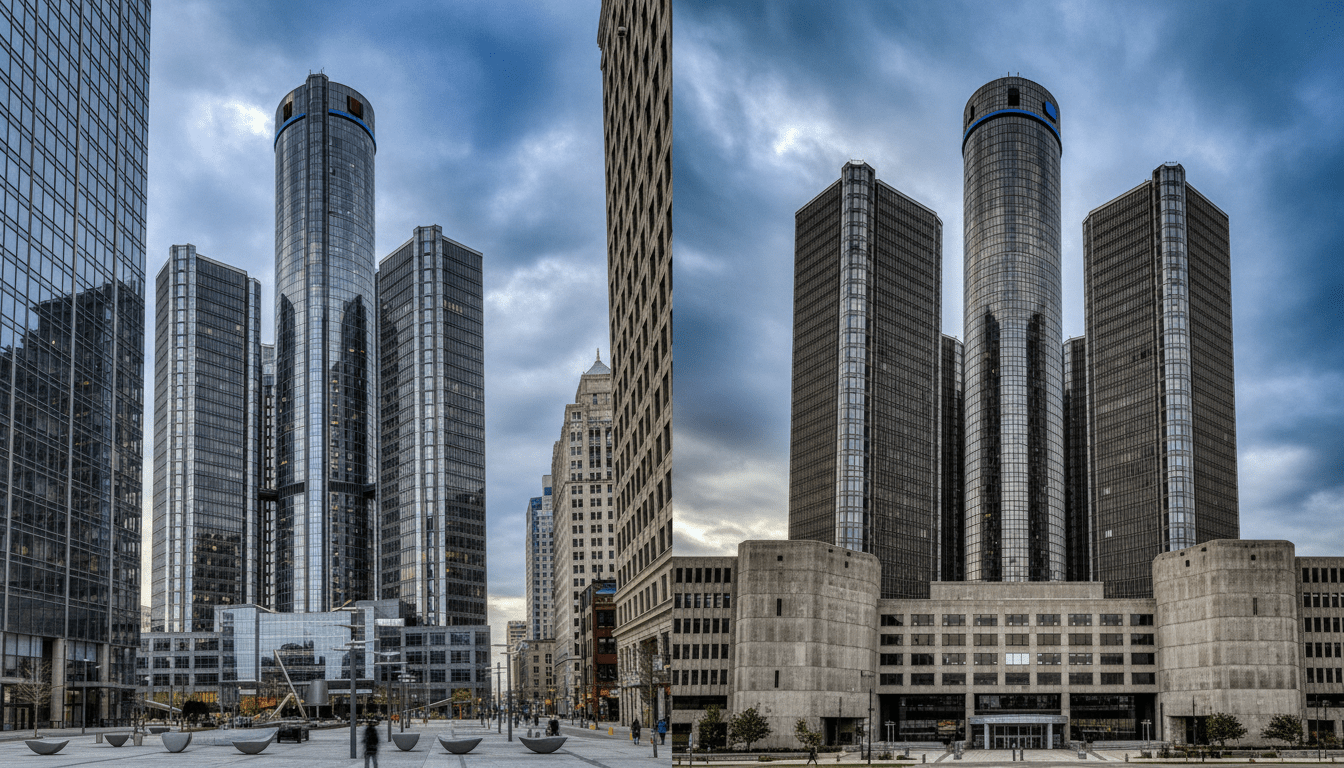
In a move that fundamentally reshapes the downtown skyline and the narrative of the American automotive industry, General Motors has officially cemented its transition from the iconic Renaissance Center to the newly constructed Hudson’s Detroit development. While the unveiling of the new GM Detroit headquarters marks a significant milestone in the city’s revitalization efforts, the timing of the transition has raised eyebrows among industry analysts and local stakeholders alike.
The celebration of the new space comes at a complex moment for the automaker. As executives cut ribbons and tout a modern, collaborative workspace, the company is simultaneously navigating a cooling electric vehicle (EV) market, recent restructuring efforts, and a stock price that has seen volatility over the last fiscal year. This juxtaposition of a glitzy real estate debut against a backdrop of economic austerity has created an atmosphere of cautious optimism mixed with tangible anxiety.
A Historic Shift to Hudson’s Detroit
The relocation involves GM becoming the anchor tenant at Bedrock’s Hudson’s Detroit, a massive mixed-use development built on the site of the former J.L. Hudson Department Store. According to details released by Bedrock and General Motors, the automaker has committed to a 15-year lease, occupying the top office floors of the development. This move is touted as a way to bring employees closer to the street-level vibrancy of Woodward Avenue, a stark contrast to the fortress-like isolation of the Renaissance Center.
“This is about creating a workspace that matches the future of mobility,” a GM spokesperson said in a statement regarding the move. “The Hudson’s site offers the collaborative environment our technical and creative teams need to innovate.”
However, the footprint is significantly smaller. GM is not transferring its entire workforce to the new building. The consolidation reflects the new reality of hybrid work, a trend that has swept through Detroit’s business sector since the pandemic. While the new office is state-of-the-art, the reduction in square footage acknowledges that the era of massive, single-tenant corporate towers may be ending.
The Renaissance Center Dilemma
The most “awkward” aspect of this transition is the uncertain fate of the Renaissance Center (RenCen). For decades, the RenCen has been the visual signature of Detroit. With GM vacating its position as the primary occupant, questions loom over what becomes of the massive riverfront complex.
According to the City of Detroit, Mayor Mike Duggan and county officials are working closely with GM and Bedrock to reimagine the RenCen. Possibilities being discussed include residential conversion, hotel expansion, or mixed retail use. However, commercial real estate experts warn that retrofitting the complex—known for its confusing interior layout and heavy concrete brutalist architecture—will be an expensive and logistical challenge.
“The RenCen cannot simply be boarded up; it is too vital to the riverfront economy,” noted a recent report from the local business press. “But filling millions of square feet of office space in the current market is a tall order.”
Impact on Detroit Residents and Local Economy
For the average Detroiter, the move of the GM Detroit headquarters has cascading effects that go beyond corporate strategy. The concentration of high-income workers moving from the riverfront to the core of Woodward Avenue is expected to boost foot traffic for restaurants and retail businesses near Campus Martius and the Grand Circus Park area.
Local business owners in the downtown core are expressing cautious optimism. “Having GM employees right next door instead of isolated across Jefferson Avenue could be a game-changer for lunch and happy hour crowds,” said the manager of a nearby restaurant on Woodward.
However, there is concern for the businesses currently operating inside the RenCen. The complex houses a food court, fine dining, and service shops that rely heavily on the daily presence of thousands of GM employees. Without a clear redevelopment plan, these small business owners face an uncertain future.
The Economic Context: Layoffs and EV Slowdown
The optics of the move are complicated by the broader financial picture. General Motors, like other legacy automakers, is currently calibrating its strategy regarding Electric Vehicles. Slower-than-anticipated consumer adoption of EVs has forced the company to delay certain production targets.
Furthermore, recent months have seen rounds of buyouts and salaried staff reductions aimed at preserving capital. Critics argue that opening a shiny new headquarters while trimming the workforce sends a conflicting message to employees and the community.
Data from the U.S. Bureau of Labor Statistics indicates that while Michigan’s auto sector remains robust, employment growth has plateaued compared to the post-pandemic recovery boom. This economic reality makes the investment in the Hudson’s site a bold, perhaps risky, bet on the future stability of the company.
What Happens Next?
The transition period will take place over the next year. During this time, the focus will remain on two fronts: the successful integration of staff into the Hudson’s Detroit location and the preservation of the Renaissance Center’s value.
Bedrock Chairman Dan Gilbert has previously emphasized that the Hudson’s project is about completing the restoration of downtown Detroit. By securing GM as the anchor, the development is guaranteed validity. Yet, the city watches with bated breath to see if this move signals a new era of growth or merely a shifting of deck chairs during a stormy economic season.
For more coverage on how real estate shifts are changing our neighborhoods, read our in-depth analysis on Ford’s impact in Corktown.
As the new logo goes up on Woodward Avenue, Detroiters are reminded that the city’s relationship with the auto industry is ever-evolving. The new GM Detroit headquarters is here, shining bright, asking the city to trust in the road ahead, even if the current map looks a little unclear.