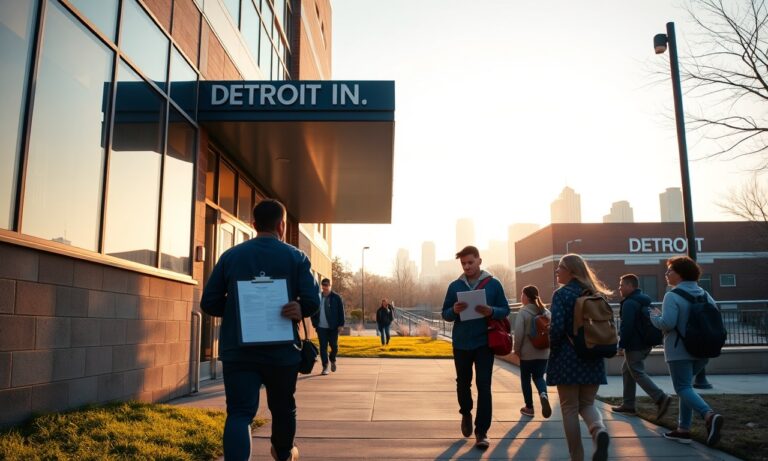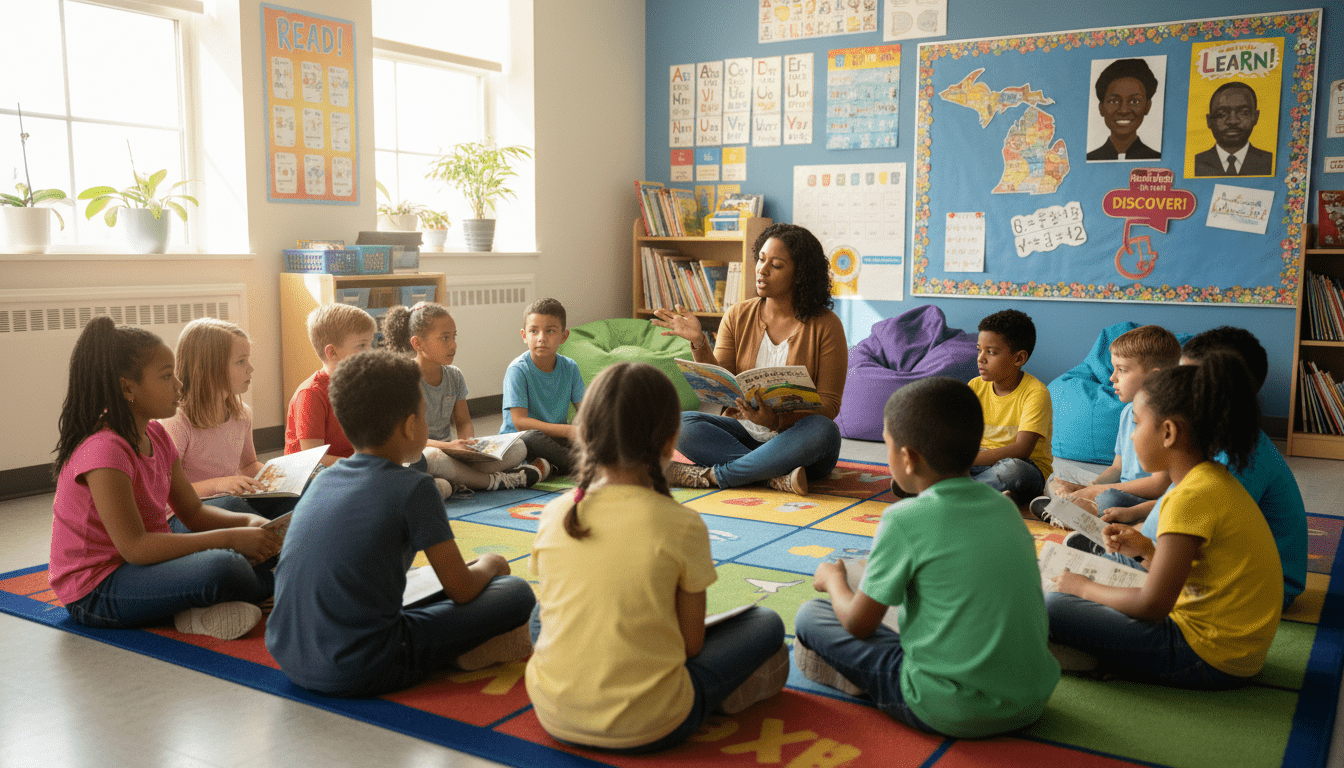
In a city defined by resilience and reinvention, a quiet revolution is taking place inside the classrooms and community centers of Detroit. As the 2024-2025 academic year progresses, a coalition of city officials, the Detroit Public Schools Community District (DPSCD), and local philanthropic organizations has unveiled a series of robust Detroit education initiatives designed to address long-standing literacy gaps and provide holistic support for families.
The renewed focus comes at a critical juncture for the city. While economic development dominates headlines downtown, neighborhood stability relies heavily on the quality of local schools and youth programming. The latest strategies move beyond traditional curriculum changes, embracing a "whole child" approach that integrates health services, after-school engagement, and parental support directly into the educational framework.
A Collaborative Approach to Literacy
At the heart of these new measures is a citywide push to improve reading proficiency by the third grade—a key metric often cited as a predictor of future academic success. According to data from the Michigan Department of Education, third-grade literacy rates in Detroit have shown incremental improvement post-pandemic, but officials agree that acceleration is necessary.
“We are moving past the era of isolated solutions,” said a spokesperson for the Detroit Education Coalition during a recent press briefing. “The goal now is alignment. When a student leaves the classroom, the support shouldn’t stop. From the local library branches to recreation centers, the message and the resources need to be consistent.”
One of the flagship components of the Detroit education initiatives is the expansion of high-dosage tutoring programs. Unlike standard homework help, these programs employ trained interventionists to work with students in small groups during the school day. Reports from similar pilots in other major cities suggest that this method can double the rate of learning for students who have fallen behind.
The Rise of Community Schools
Perhaps the most significant shift for Detroit families is the accelerated adoption of the “Community Schools” model. This strategy transforms school buildings into neighborhood hubs that stay open late and on weekends to offer services beyond academics.
Under this model, a school does not just teach math and science; it provides on-site food pantries, clothing closets, mental health counseling, and adult education classes for parents. The logic is simple: children cannot learn effectively if their basic needs—or the needs of their families—are unmet.
“It changes the dynamic entirely,” explained a community coordinator at a participating school in Northwest Detroit. “When a parent comes in to pick up their child, they might also be picking up fresh produce or getting help with a utility bill. It builds trust. Schools become the anchor of the neighborhood again.”
This approach aligns with broader Detroit community development efforts aimed at stabilizing neighborhoods. By centralizing resources, the district reduces the logistical burden on working parents who might otherwise have to travel across the city to access different social services.
Impact on Detroit Residents
For parents like Marcus Davis, a father of two in the Brightmoor neighborhood, these changes are palpable. Davis noted that the availability of structured after-school programs has alleviated the stress of finding childcare while he works late shifts.
“It used to be a scramble every day at 3 p.m.,” Davis said. “Now, my oldest is in a robotics program until 5:30, and my youngest is getting extra reading help. Knowing they are safe and actually learning something valuable takes a huge weight off my shoulders.”
The initiatives also focus on youth employment and career readiness. Expanding on the success of programs like Grow Detroit’s Young Talent, the new educational framework emphasizes internships and technical training for high school students. The objective is to create a seamless pipeline from graduation to the workforce, ensuring that Detroit’s economic resurgence is powered by Detroiters.
Funding and Sustainability
Funding for these ambitious Detroit education initiatives comes from a blend of public dollars and private philanthropy. The Kresge Foundation and the Skillman Foundation, long-time backers of Detroit youth, have continued to invest heavily in the cradle-to-career pipeline. Additionally, the prudent allocation of remaining federal pandemic relief funds has allowed the district to upgrade facilities and technology infrastructure.
However, sustainability remains a topic of discussion. Critics and advocates alike point out that while one-time funding injections are helpful, long-term success requires structural changes to how schools are funded at the state level. The district is currently lobbying for weighted funding formulas that account for the higher costs associated with educating students in high-poverty areas.
Despite the financial complexities, the mood among local leaders is improved. “There is a level of cooperation between the city government, the school board, and the business community that we haven’t seen in decades,” noted a policy analyst from Wayne State University.
Addressing the Digital Divide
Another pillar of the current strategy involves closing the digital divide, a gap that was starkly exposed during the remote learning era of 2020. While device distribution was the initial hurdle, the focus has shifted to reliable, high-speed internet access and digital literacy training for parents.
New partnerships with local internet service providers are aiming to ensure that affordable high-speed internet is available in every household with a school-aged child. Furthermore, tech workshops are being offered to parents to help them monitor their children’s academic progress via online portals.
“Technology is a utility, like water or gas,” said a representative from a local digital equity nonprofit. “You cannot participate in the modern economy or modern education system without it. Ensuring access is a fundamental part of these education initiatives.”
What Happens Next
As the academic year continues, the district plans to roll out improved data tracking systems to monitor the efficacy of these programs in real-time. This data-driven approach allows administrators to pivot quickly if specific interventions aren’t yielding results.
For the residents of Detroit, the promise is clear: a commitment to an education system that serves the whole family. While challenges regarding attendance and standardized test scores persist, the comprehensive nature of these Detroit education initiatives suggests a shift toward a more supportive, inclusive, and stable future for the city’s youth.
Residents interested in learning more about available programs or enrolling their children in after-school activities are encouraged to visit the DPSCD website or check our latest updates on city services.