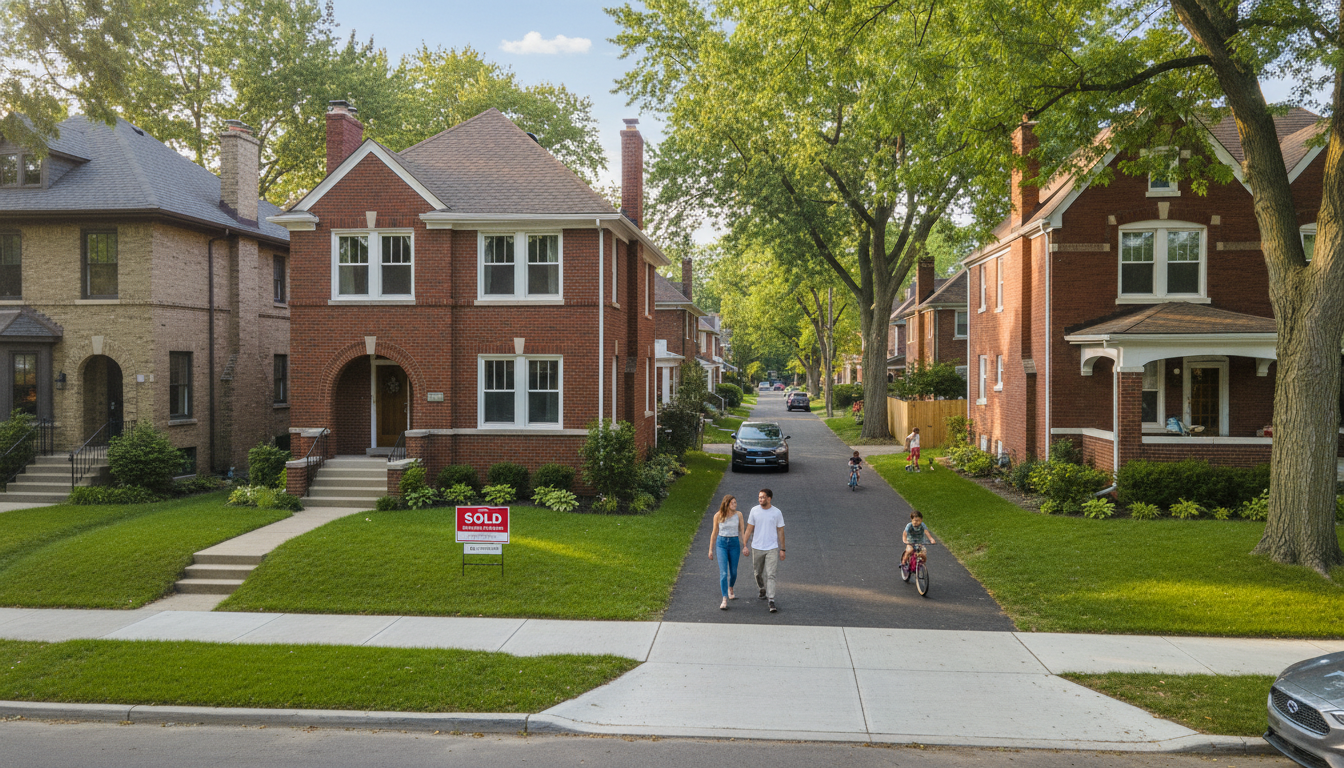
The Detroit housing market is witnessing a historic period of stabilization and growth, according to recent data released by the City of Detroit and the Detroit Land Bank Authority (DLBA). For the seventh consecutive year, property assessments across the city’s more than 200 neighborhoods have trended upward, signaling a significant shift in the city’s economic landscape. While urban centers across the United States grapple with fluctuating real estate trends, Detroit’s residential sector has maintained a steady climb, driven by both municipal intervention and increased private investment.
A Surge in Assessed Value
Data from the City of Detroit Assessor’s Office indicates that the total assessed value of residential property in the city increased by an average of 23% in the most recent fiscal cycle. This growth is not confined to the downtown or Midtown corridors; rather, it is being felt in long-standing residential areas such as Bagley, Grandmont Rosedale, and Jefferson-Chalmers. According to the City of Detroit, these increases represent more than $1.7 billion in newfound wealth for homeowners who have stayed in the city through its most challenging years.
The current state of the Detroit housing market reflects a departure from the post-recession era of 2008. Whereas the city once struggled with massive foreclosure rates and plummeting values, the current strategy focuses on blight removal and the strategic sale of vacant lots. The City of Detroit Assessor’s Office reports that property value growth is now more evenly distributed, with even the most distressed zip codes seeing double-digit percentage gains for the first time in decades.
Impact on Detroit Residents
For local residents, the rising Detroit housing market is a double-edged sword. On one hand, the increase in home equity provides families with greater financial security and the ability to leverage their assets for home improvements or educational expenses. Long-term residents who purchased homes at the bottom of the market now find themselves holding properties that have tripled or quadrupled in value. This growth is essential for building intergenerational wealth in a city where homeownership has historically been a cornerstone of the middle class.
However, the rise in valuations also brings concerns regarding property taxes and affordability. To mitigate these impacts, the city has implemented various protections. The Michigan State Constitution limits the amount a property’s taxable value can increase annually to the rate of inflation or 5%, whichever is lower, provided the property does not change ownership. This safeguard ensures that while the market value may soar, the tax burden on current residents remains manageable. Furthermore, programs like the Hope of Detroit (HOD) help low-income residents apply for tax exemptions to prevent displacement.
Local community organizers emphasize that maintaining this balance is crucial. “We want to see our neighborhoods thrive and our home values grow, but we must ensure that the people who stayed when the streetlights were out can afford to stay now that the lights are back on,” said a representative from a local neighborhood association. This sentiment is echoed across city council meetings as officials debate the best ways to integrate neighborhood infrastructure improvements with affordable housing mandates.
The Role of the Detroit Land Bank Authority
The Detroit Land Bank Authority has been a central player in reshaping the local real estate environment. By managing a massive inventory of vacant and abandoned properties, the DLBA has been able to facilitate the return of thousands of structures to the tax rolls. Through programs like the “Side Lot Program” and the “Building Detroit” auctions, the agency has prioritized local ownership. According to the DLBA’s annual report, over 80% of side lots are purchased by neighbors living immediately adjacent to the vacant land.
This approach has directly contributed to the stabilization of the Detroit housing market. By removing the “blight discount”—the depressing effect that an abandoned house has on the value of surrounding homes—the city has cleared the way for market-rate sales. Recent reports from well-known publications like the Detroit Free Press note that the average sale price for a single-family home in Detroit has reached levels not seen since before the 2013 bankruptcy filing. This indicates a growing confidence among lenders and buyers alike.
Background and Historical Context
To understand the current trajectory, one must look at the data provided by the U.S. Census Bureau and historical market trends. Following the 2013 bankruptcy, Detroit’s residential market was essentially frozen in many areas. Traditional mortgages were nearly impossible to obtain because appraisals could not justify the cost of renovations. To address this, the city launched the Detroit Home Mortgage program in 2016, which helped bridge the gap between appraisal values and the actual cost of buying and fixing a home.
Today, the landscape is vastly different. The “middle market”—homes priced between $100,000 and $250,000—is becoming increasingly competitive. This shift is also supported by Detroit’s economic growth in other sectors, such as the automotive industry’s shift toward electric vehicles and the expansion of the healthcare sector, both of which have brought a new influx of workers seeking housing within city limits.
What Happens Next
Looking ahead, the city administration plans to continue its focus on the “Strategic Neighborhood Fund,” which aims to improve parks, streetscapes, and commercial corridors in ten specific zones. The goal is to create a ripple effect that further strengthens the Detroit housing market in surrounding blocks. The Office of the Assessor will begin its next round of property inspections this fall, which will determine the 2025 assessment rolls.
While interest rates remain a hurdle for some buyers, the demand for Detroit property shows no signs of significant cooling. As long as the city continues to address blight and invest in neighborhood-level services, the housing market is expected to maintain its upward trajectory. For a city that was once the poster child for urban decay, Detroit’s current real estate data serves as a testament to the power of targeted policy and community resilience.