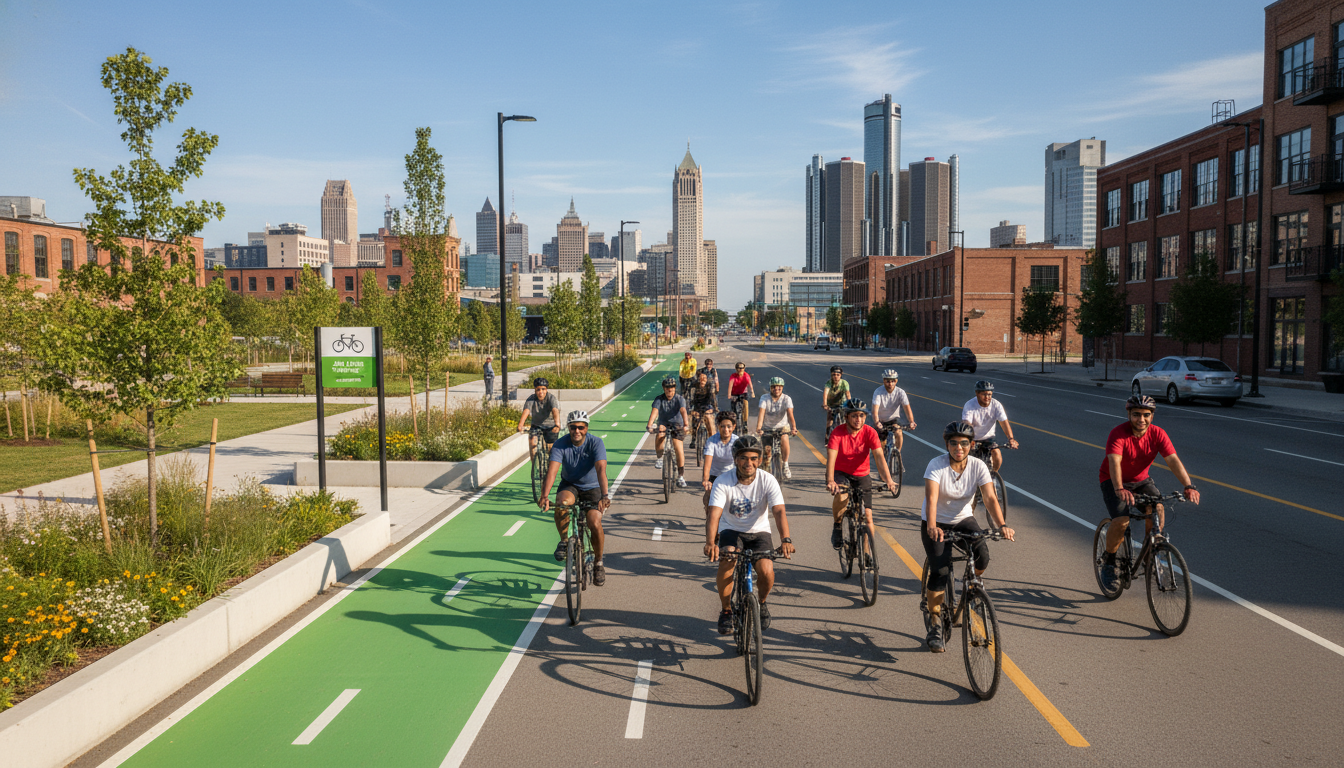
The landscape of Detroit is shifting as the city, historically defined by the automotive industry, continues its transition toward becoming one of the Midwest’s most significant hubs for urban cycling. As the 2024 spring season approaches, local organizers and city officials are reporting a surge in participation for community rides and a renewed commitment to the expansion of non-motorized transit corridors.
The Evolution of Detroit Cycling Culture
For decades, Detroit’s wide boulevards were designed almost exclusively for the convenience of the automobile. However, over the last ten years, a grassroots movement led by organizations such as the Detroit Greenways Coalition and various neighborhood-based cycling clubs has fundamentally altered the city’s relationship with two-wheeled transport. What began as small community gatherings has evolved into massive sanctioned events that draw thousands of participants from across the region.
According to data from the City of Detroit Department of Public Works, the city has added more than 100 miles of protected bike lanes since 2017. This infrastructure is not merely for leisure; it represents a critical component of the city’s “Complete Streets” policy, which aims to make Detroit’s thoroughfares safer for pedestrians, cyclists, and motorists alike.
Economic and Social Impact on Detroit Residents
The growth of the Detroit cycling scene is providing more than just recreational opportunities; it is becoming an economic engine for local neighborhoods. In areas like Corktown, the North End, and the Villages, small businesses are increasingly tailoring their services to cater to the cycling community. Coffee shops and independent retailers have reported increased foot traffic—and “bike traffic”—during major event weekends.
“We see a direct correlation between improved bike infrastructure and the vibrancy of our commercial corridors,” a representative from a local economic development group noted during a recent city council session. By making neighborhoods more accessible to those without a vehicle, the city is fostering a more inclusive economy. For many Detroit residents, cycling is a primary mode of transportation to work, and the expansion of safe routes is a matter of economic necessity rather than lifestyle choice.
Background and Infrastructure Data
The centerpiece of Detroit’s long-term cycling strategy is the Joe Louis Greenway, a planned 27.5-mile loop that will eventually connect Detroit to Hamtramck, Highland Park, and Dearborn. According to reports from the Michigan Department of Transportation (MDOT), the project is one of the most ambitious urban trail systems in the United States. Recent funding allocations suggest that several new phases of the Greenway will reach completion by the end of 2025.
Statistics provided by the League of American Bicyclists show that Detroit’s rate of commuter cycling has seen a steady increase, outpacing several other major metropolitan areas in the Great Lakes region. This data is reflected in the success of internal initiatives such as the MoGo bike-share program, which recently expanded its footprint into northwest Detroit and neighboring suburbs. You can read more about Detroit’s neighborhood growth initiatives here to see how these transit changes fit into the broader city plan.
Major Events Returning for 2024
While the city hosts dozens of small “slow rolls” throughout the year, the 2024 calendar is anchored by several major sanctioned events. The Tour de Detroit, which typically draws over 5,000 riders, is expected to see its largest turnout to date this September. Organizers point to the increased visibility of cycling in the city as a primary driver of registration numbers. These events serve a dual purpose: they showcase Detroit’s historic architecture and evolving streetscapes to visitors while reinforcing a sense of community pride among residents.
Safety remains a top priority for organizers. As participation grows, the City of Detroit has increased its coordination between the Detroit Police Department and event planners to ensure that large-scale rides do not unduly disrupt local traffic or compromise the safety of participants. This coordination is part of a broader effort to improve sustainable transportation in Detroit, focusing on long-term safety and efficiency.
What Happens Next: The Future of the Motor City
Looking ahead, the city is focused on bridging the gap between recreational cycling and functional transit. The next phase of development involves the installation of more robust signage and the integration of bike paths with the Detroit Department of Transportation (DDOT) bus routes. By creating a “multi-modal” system, the city hopes to reduce its reliance on single-occupancy vehicles and lower carbon emissions.
As the Joe Louis Greenway continues to take shape, the social fabric of the city is expected to follow. The trail is designed to pass through diverse neighborhoods, providing a common ground for residents from different backgrounds to interact. For Detroit, a city once strictly divided by highways and heavy industry, the cycling movement represents a path toward a more connected and accessible future. City officials indicate that public comment sessions for the next phase of the Greenway will begin in late spring, inviting residents to help shape the final layout of the city’s most significant green space in generations.