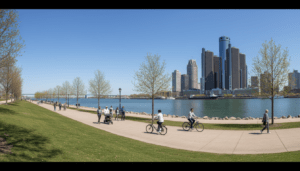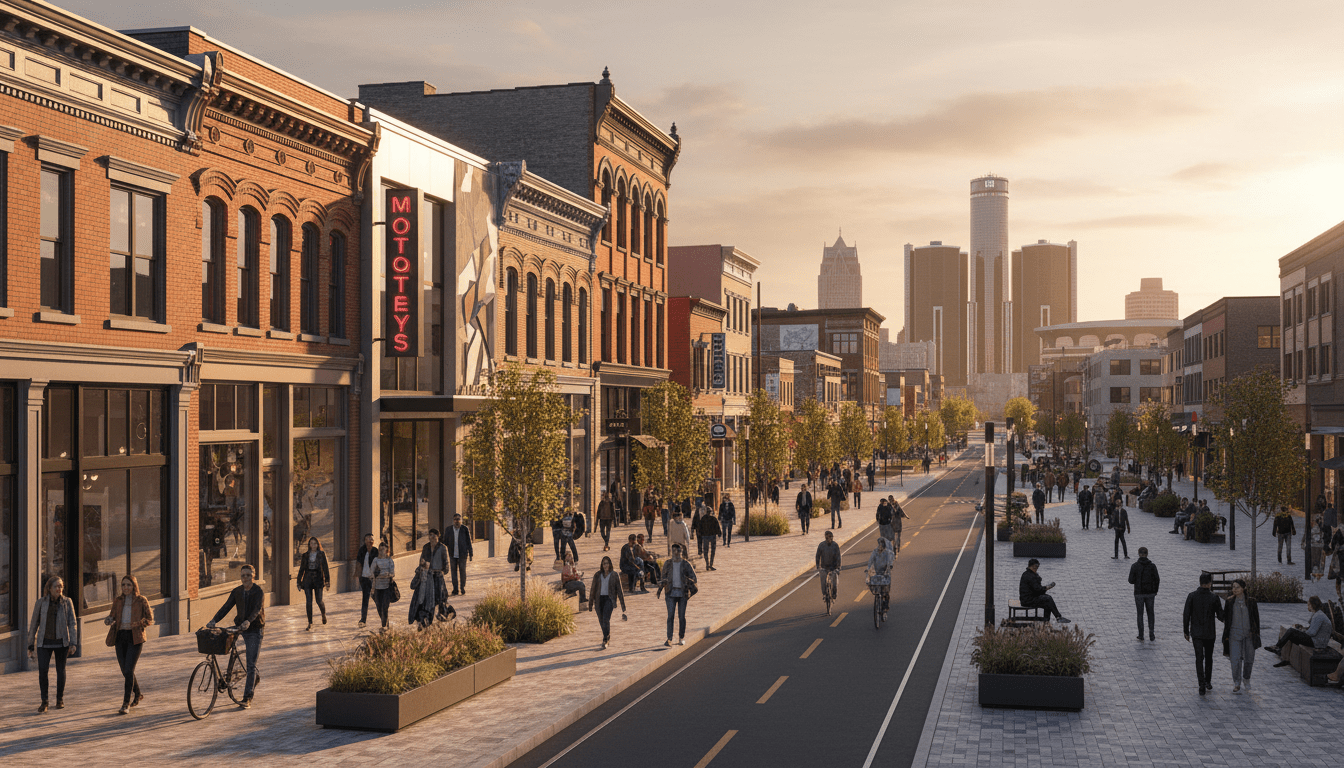
Detroit is currently navigating one of its most significant periods of neighborhood transformation in decades. As the city continues to attract large-scale commercial investment, the focus has increasingly shifted toward the residential corridors that define the city’s character. For those seeking a comprehensive Detroit neighborhoods guide, understanding the intersection of historical preservation and modern infrastructure is essential to navigating the local real estate and social landscape.
The Strategic Neighborhood Fund and Urban Planning
Central to the revitalization of areas outside the greater downtown core is the Strategic Neighborhood Fund (SNF). According to the City of Detroit Planning and Development Department, this $130 million initiative, a public-private partnership, focuses on streetscape improvements, park renovations, and commercial corridor development. By targeting specific areas like Livernois-McNichols, Jefferson-Chalmers, and Southwest Detroit, the city aims to create ’20-minute neighborhoods’ where residents can access essential services within a short walk or bike ride.
Data from recent municipal reports suggest that these investments are beginning to yield tangible results. In neighborhoods like the North End and Fitzgerald, the stabilization of housing stock has become a primary objective. You can read more about Detroit real estate trends in our previous coverage of market shifts. These efforts are not just about aesthetics; they are about reversing decades of disinvestment by leveraging private capital alongside philanthropic support from organizations like the Kresge Foundation and JPMorgan Chase.
The Core Corridors: Midtown and Corktown
When discussing the best neighborhoods Detroit has to offer for newcomers and long-term residents alike, Midtown and Corktown often dominate the conversation. Midtown serves as the city’s cultural and educational heart, anchored by Wayne State University and the Detroit Institute of Arts. The neighborhood has seen a steady increase in high-density residential developments, catering to a demographic that values walkability and transit access via the QLine.
Corktown, the city’s oldest neighborhood, is undergoing a profound metamorphosis driven by the Michigan Central project. Ford Motor Company’s $740 million restoration of the historic train station has catalyzed a surge in interest in the surrounding area. This development has transformed Corktown into a hub for mobility and technology, significantly impacting local property values. For visitors looking for Detroit areas to visit, Corktown offers a blend of historic Victorian architecture and a burgeoning culinary scene that has gained national recognition.
Impact on Detroit Residents
The rapid pace of development has created a complex dynamic for local residents. While improved infrastructure and increased commercial activity are generally welcomed, concerns regarding housing affordability and displacement remain at the forefront of community discussions. Organizations such as Detroit Future City have pointed out that while some neighborhoods are thriving, the benefits of growth must be distributed equitably across the entire Detroit neighborhood map.
Local community leaders emphasize that the success of these neighborhoods depends on the inclusion of long-term residents in the planning process. The city’s Inclusionary Housing Ordinance, which requires certain developers to set aside units for low-income residents, is one mechanism intended to mitigate the effects of gentrification. However, as property taxes rise alongside home values, many Detroiters are navigating the balance between community improvement and financial sustainability. Stay updated on City Council development updates to see how these policies are evolving.
Economic Data and Population Trends
According to data from the U.S. Census Bureau’s American Community Survey, Detroit’s population shifts are becoming more nuanced. While the city saw an overall population decline over the last decade, specific zip codes in the downtown and adjacent neighborhoods have experienced notable growth. This ‘hollowing out and filling in’ effect suggests that while some areas struggle with blight, others are reaching capacity.
External analysis from the Official City of Detroit SNF Portal indicates that commercial vacancy rates in targeted SNF zones have decreased by nearly 15% over the last three years. This economic activity is a critical metric for assessing the health of Detroit communities, as it indicates a return of local services like grocery stores, pharmacies, and small businesses that were previously absent from many residential areas.
Developing Neighborhoods to Watch
Beyond the well-known hubs, several other communities are emerging as vital parts of the city’s future. The Avenue of Fashion on Livernois has seen a resurgence of Black-owned businesses, bolstered by significant streetscape investments that have made the area more pedestrian-friendly. Similarly, the East English Village and Morningside neighborhoods on the city’s far east side have maintained a strong sense of community and architectural integrity, attracting families looking for more space without leaving the city limits.
Jefferson-Chalmers, a unique waterfront neighborhood, continues to grapple with climate resilience challenges while maintaining its status as a historic gem. The city’s efforts to improve drainage systems and protect against flooding are essential to the long-term viability of this area. These efforts highlight that being a ‘best’ neighborhood involves more than just trendy restaurants; it requires resilient infrastructure that can support a diverse population.
What Happens Next
Looking ahead to 2025, the trajectory of Detroit’s neighborhoods will likely be defined by the completion of major infrastructure projects and the continued implementation of the Joe Louis Greenway. This 27.5-mile looping trail system will eventually connect dozens of Detroit neighborhoods, providing a new framework for mobility and recreation that bypasses traditional automotive routes.
As the city continues to refine its Detroit neighborhood map, the focus will remain on sustaining the momentum of the last decade while addressing the systemic issues of poverty and vacancy that still affect many blocks. For residents and investors alike, the guide to Detroit’s future is written in the success of its individual communities and their ability to grow together in a way that respects the city’s rich history while embracing its modern potential.